
In this article
As a dog owner, you may sometimes find yourself in situations where using a muzzle is necessary for the safety of yourself, your dog, or others. Muzzles can be useful in preventing bites during grooming, veterinary visits, or when introducing your dog to new situations or environments. In this article, we will discuss 13 essential tips on how to measure your dog for a muzzle accurately.

Why and When a Muzzle Might Be Necessary
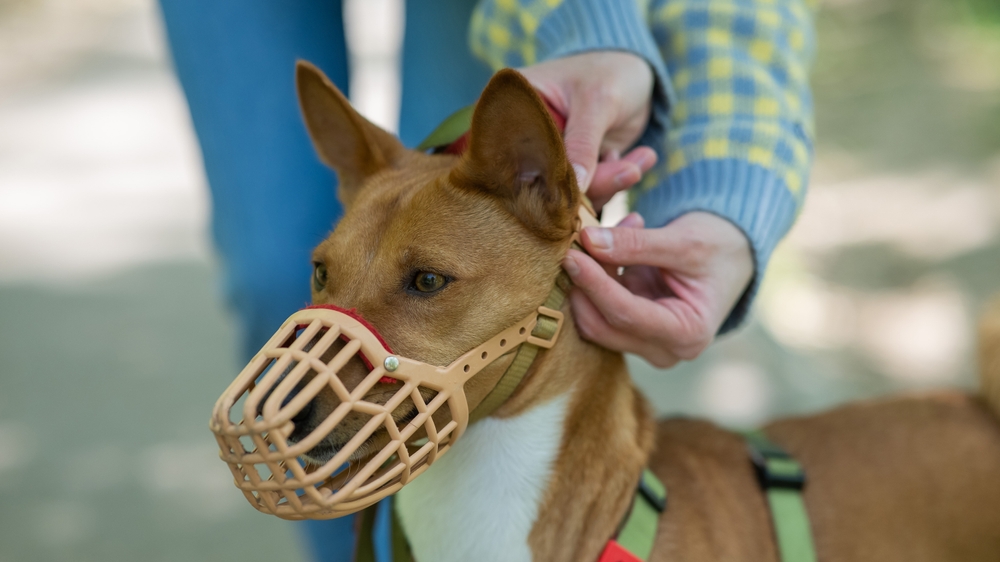
A muzzle is a temporary tool designed to prevent a dog from biting while still allowing them to breathe, pant, and drink water. Some scenarios where a muzzle might be necessary include:
- Visits to the vet or groomer
- Introducing your dog to new people or animals
- Situations where your dog may feel stressed or anxious
- Training sessions to address aggressive or reactive behaviors
To ensure your dog’s safety and comfort, it’s crucial to select a muzzle that fits correctly. Here are 13 key tips to help you measure your dog for a muzzle accurately:
The 13 Tips on How to Accurately Measure a Dog for a Muzzle
1. Gather Your Supplies
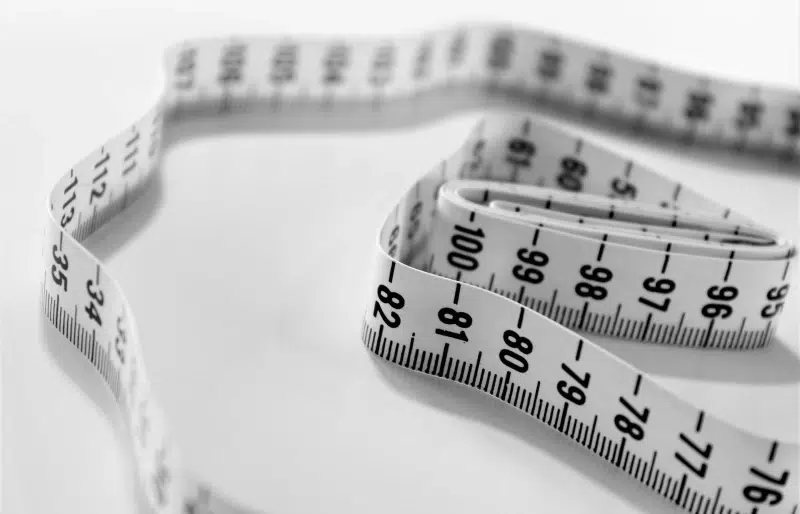
Before you begin measuring your dog for a muzzle, it’s essential to gather all the necessary supplies. You’ll need a soft measuring tape or a piece of string and a ruler to take accurate measurements. A soft measuring tape will easily conform to your dog’s shape, ensuring you get precise measurements. If using a string, make sure it’s non-stretchable and can be laid flat against a ruler to measure the length accurately. Having all the required materials ready will make the process smoother and more efficient.
2. Calm Your Dog
It’s important to ensure that your dog is calm and relaxed before taking any measurements. A stressed or anxious dog may move around and make it difficult to obtain accurate measurements. Spend some time with your dog, petting and reassuring them before beginning the process. This will help them feel more comfortable and allow you to take the necessary measurements without any issues. If your dog is particularly nervous or agitated, consider using treats or toys to keep them occupied and calm during the process.
3. Measure the Snout Length
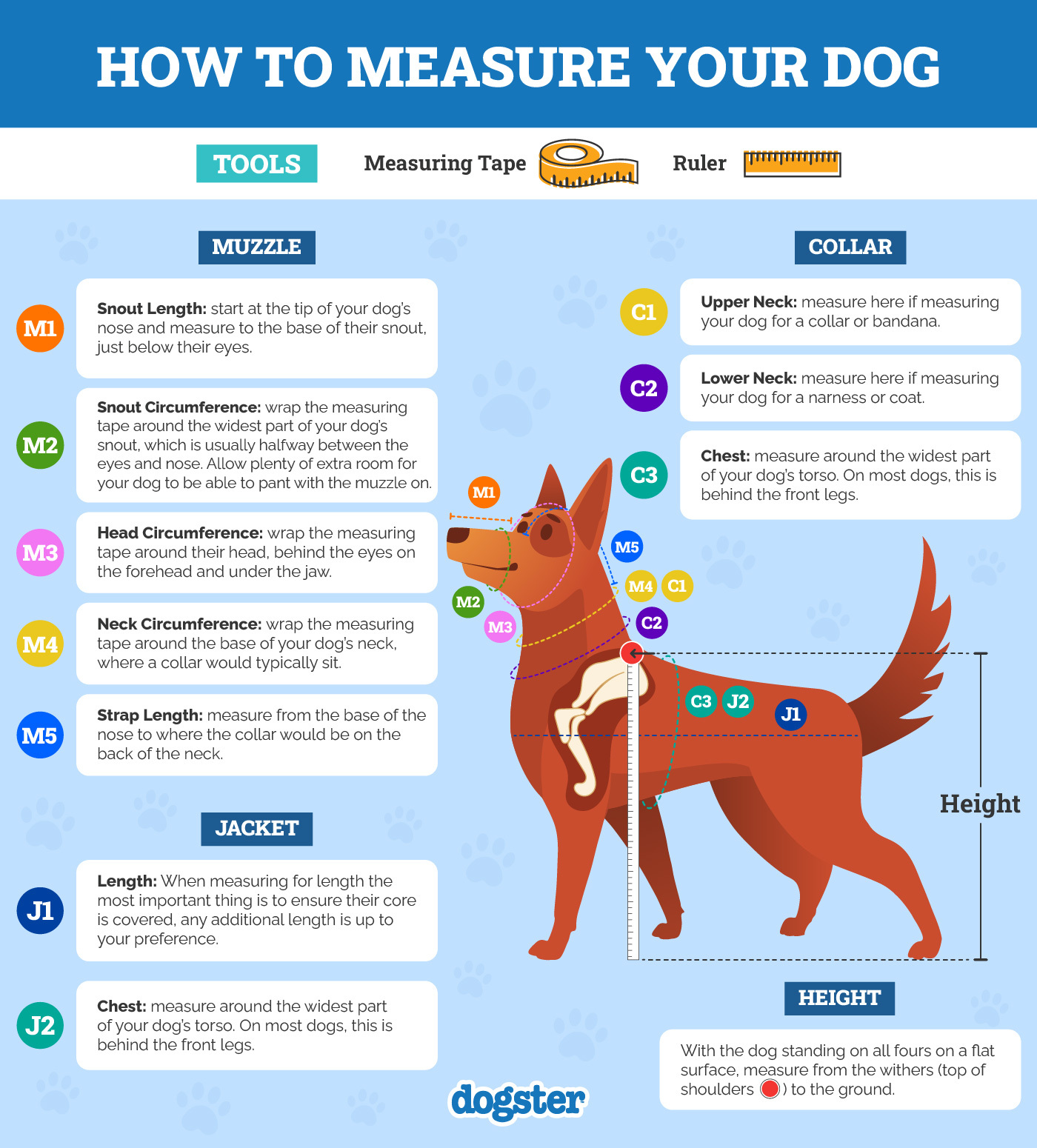
To measure the snout length, start at the tip of your dog’s nose and measure to the base of their snout, just below their eyes. This measurement is crucial for determining the correct muzzle length, as it ensures your dog will have enough space to breathe comfortably while wearing the muzzle. Be gentle when taking this measurement, as some dogs may be sensitive or uncomfortable having their faces touched. It may be helpful to have another person assist you in holding your dog still while you take this measurement.
4. Measure the Snout Circumference
In order to measure the snout circumference, wrap the measuring tape around the widest part of your dog’s snout, which is usually halfway between the eyes and nose. This measurement will help you determine the appropriate muzzle size, as it ensures the muzzle will fit securely without being too tight. Be sure not to pull the measuring tape too tight, as this could result in an inaccurate measurement and an ill-fitting muzzle.
5. Measure the Head Circumference
To measure your dog’s head circumference, wrap the measuring tape around their head, just behind the ears and under the jaw. This measurement is important for determining the correct muzzle size, as it ensures the muzzle will fit comfortably around your dog’s head without causing any discomfort. Again, be gentle when taking this measurement, and avoid pulling the measuring tape too tight.
6. Measure the Neck Circumference
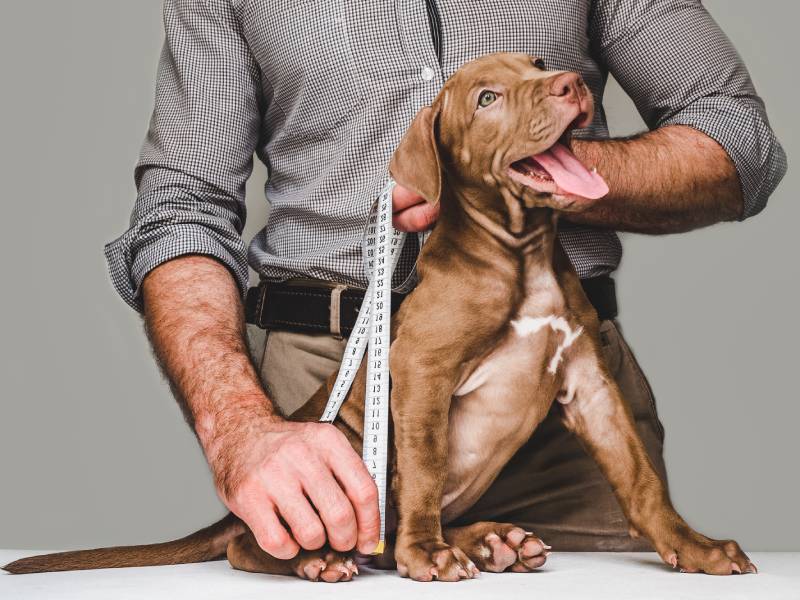
Next, wrap the measuring tape around the base of your dog’s neck, where a collar would typically sit. This measurement is essential for determining the correct muzzle size, as it ensures the muzzle straps will fit securely around your dog’s neck. Make sure the measuring tape is snug but not too tight, as an accurate measurement is crucial for a properly fitting muzzle.
7. Measure the Strap Length
To determine the appropriate length for the muzzle straps, measure from the base of your dog’s neck to just behind their ears. This measurement will help you select a muzzle with straps that are long enough to secure the muzzle in place but not so long that they cause discomfort or restrict movement.
8. Record All Measurements
Once you’ve taken all the necessary measurements, write them down to ensure accuracy when selecting a muzzle size. Having a record of your dog’s measurements will make it easier to reference the sizing chart provided by the muzzle manufacturer and find the perfect fit for your dog.
9. Add Extra Space for Comfort
When selecting a muzzle, add approximately half an inch to the snout circumference measurement to allow for panting and drinking while wearing the muzzle. This extra space will ensure your dog remains comfortable and can breathe easily, even when muzzled.

10. Consult Sizing Charts
Refer to the sizing chart provided by the muzzle manufacturer to select the appropriate size based on your dog’s measurements. Keep in mind that different brands may have slightly different sizing guidelines, so always consult the specific chart for the muzzle you are considering.
11. Consider Different Muzzle Styles
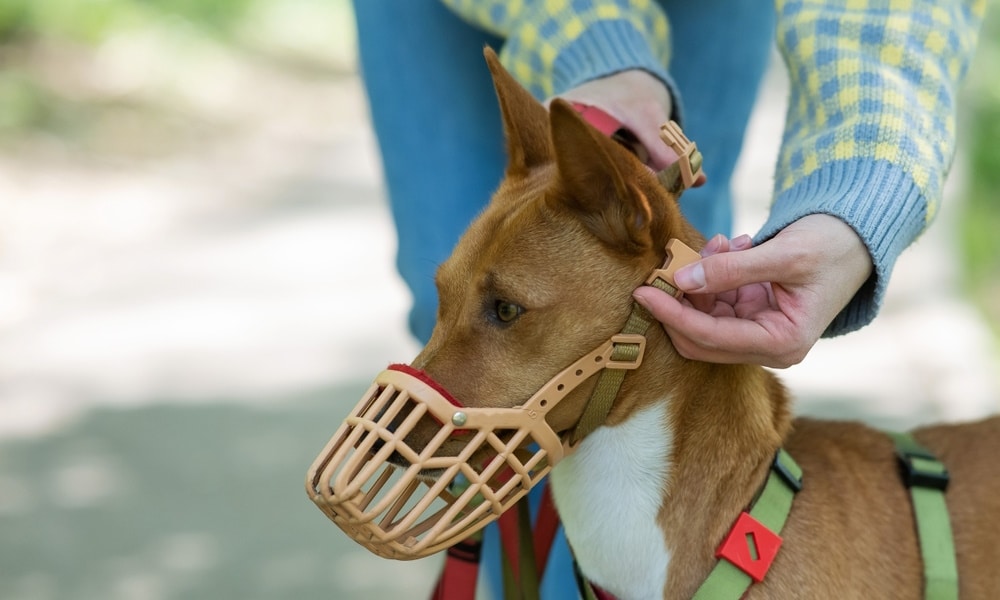
There are various muzzle styles available, such as basket muzzles, soft muzzles, and custom-made muzzles. Each style has its own benefits and drawbacks, so choose the one that best suits your dog’s needs and comfort. Basket muzzles, for example, are more breathable and allow for panting and drinking, while soft muzzles may be more comfortable for short-term use.
12. Test the Fit
Once you have selected a muzzle based on your dog’s measurements, test the fit on your dog. The muzzle should be snug but not tight, allowing your dog to open their mouth slightly for panting and drinking. Make any necessary adjustments to ensure a secure and comfortable fit.
13. Monitor Your Dog
Always monitor your dog while they are wearing a muzzle to ensure they remain comfortable and can breathe easily. Check for any signs of discomfort or distress and remove the muzzle if necessary. Do this each time your dog wears the muzzle.

What to Look for in a Dog Muzzle
A dog muzzle is an essential tool for certain situations, such as grooming, training, or ensuring the safety of others. There are several factors to consider to ensure you find the perfect match for both you and your dog.
Material
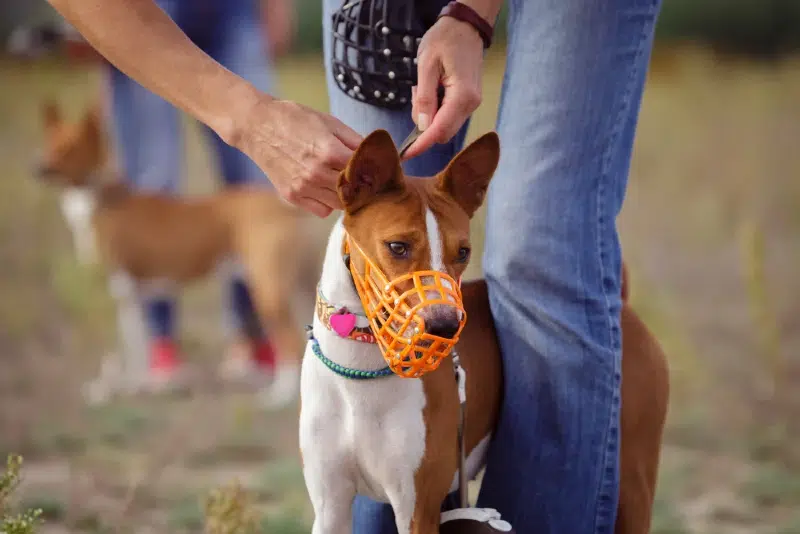
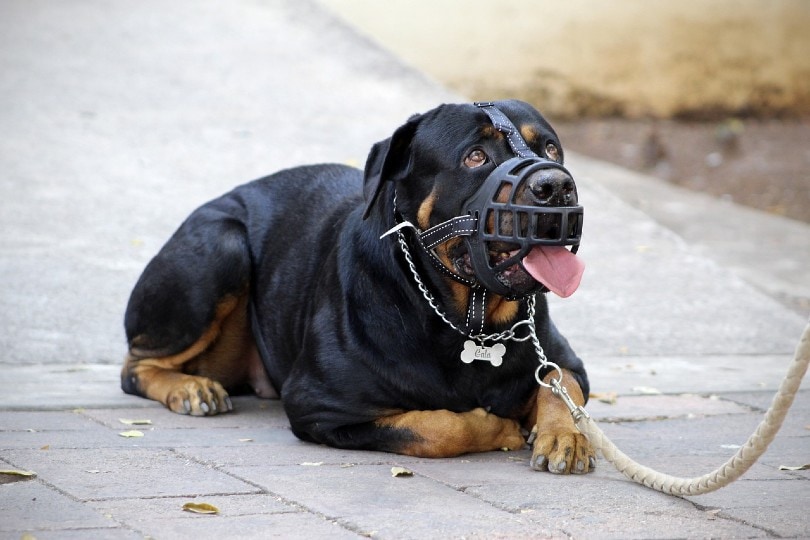
Muzzles are available in various materials, including nylon, leather, metal, and rubber. Each material has its own benefits and drawbacks. Nylon muzzles are lightweight, affordable, and easy to clean but may not be suitable for long-term use. Leather muzzles are durable and comfortable but can be more expensive and require regular maintenance. Metal muzzles, such as wire basket muzzles, provide excellent ventilation and allow for panting and drinking but can be heavy. Rubber or plastic muzzles offer a combination of durability, comfort, and ease of cleaning.
Size and Adjustability
The size of the muzzle should be proportional to your dog’s size and snout shape. It’s essential to measure your dog’s snout length, circumference, and head circumference to select the right size. An adjustable muzzle allows you to customize the fit for your dog, ensuring both safety and comfort.
Breathability and Comfort
A good muzzle should allow your dog to breathe comfortably, pant, and drink water. Basket muzzles are generally the best option for breathability, while soft muzzles may restrict panting and should only be used for short periods. Padding around the nose and cheek areas can provide added comfort and prevent chafing or rubbing.
Secure Fit
The muzzle should have a secure fit to prevent your dog from removing it easily. Look for muzzles with adjustable straps and buckles or quick-release mechanisms that ensure a snug fit without being too tight.
Ease of Cleaning
Consider the ease of cleaning and maintenance when selecting a muzzle. Materials like nylon, rubber, and plastic are generally easier to clean than leather, which may require special care and conditioning.
Visibility
If you frequently take your dog out in low-light conditions, consider a muzzle with reflective or high-visibility features. These muzzles have reflective stitching or panels that increase visibility and safety during nighttime or early morning walks.
Additional Features
Some muzzles come with added features, such as built-in collar attachments, treat access holes, or even custom designs for specific breeds or snout shapes. Evaluate your specific needs and preferences when considering these additional features.
Final Thoughts
Measuring your dog for a muzzle is essential to ensure their safety and comfort in situations where a muzzle is necessary. These 13 key tips will get you ready to select the correct size and style of muzzle for your dog. Remember, a muzzle is a temporary tool and should always be used with proper supervision and monitoring. Most importantly, any muzzle that helps keep everyone involved safe and comfortable during potentially stressful situations is the right muzzle!
Featured Image Credit: Reshetnikov_art Shutterstock
























2 Responses
I have had dogs for may years and have never has a problem training them. I DO NOT HIT. But spray bottle or scolding or put in crate is how I correct. I reward good behavior. I have a adopted a 6 yr old Min Pin that will not stop taking things off the end tabel. I don't leave food down but she takes and eats ink pens, croched coaster, TV remote. She ate my $4000 hearing aid, batteries and all. She does it when I am out of the room so spray bottle is not a good option. But she now goes to her kennel on her how when I pick up the chewed up item. She knows she is in trouble but still continues to do it. I am thinking of trying a muzzle. This will not be easy because she will not come to me when she sees I have the item she has chewed up but do you think if I put a muzzle on her and show her what she did she will stop before she kills herself?
Hello Rebecca,
thank you for reaching out to us. This sounds like a question for a vet. Our in-house veterinarian Dr. Paola would be happy to answer it.
Could you please submit it using this link?
https://www.dogster.com/ask-dr-paola/
This section is exclusively for comments, but she will receive your question via that link.
Although asking Dr. Paola is free, it is not certain that your question will be answered right away, so if you're interested in speaking to a vet face-to-face, you can book a video call appointment with one of our veterinarians from www.PangoVet.com. In a 20-minute call you can ask all your questions and our vets will take a look at your dog and give you their professional opinion.
Hope this helps!