Dogs may be easy to love from the day you get them, but they almost always require work to make them easy to live with. Nearly every facet of a dog’s day involves training, from their morning walk to their bedtime routine at night.
Depending on your goals, you may have to employ numerous techniques to mold their behavior, each with distinct uses, advantages, and drawbacks. We explore the differences between the core dog training techniques here so you can make the best plan for your pup.

How Are Dog Training Techniques Classified?
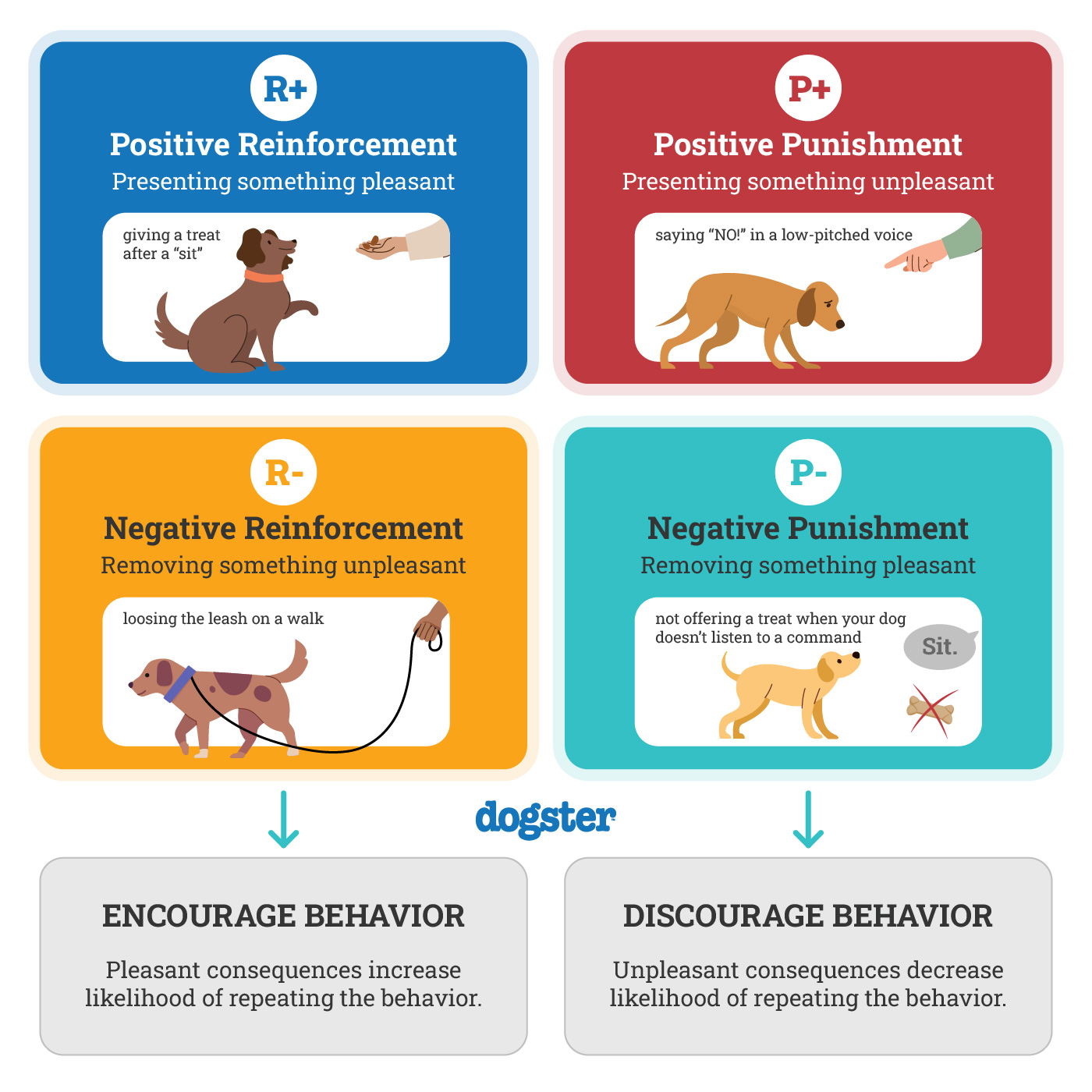
We can break down dog training techniques into various classifications, many of which often overlap. For instance, we can define our training style by how we use operant conditioning, issuing or retracting punishments and rewards.
Alternatively, we may look at how we guide our dogs to certain behaviors and dispense treats as reinforcement or what tools we employ to get our lessons across. You can try clicker training, where you use a clicker device to mark wanted behaviors by creating an association between the sound of a clicker and getting a reward.
It’s a common dog training technique, but trainers use it in various training approaches, such as shaping or luring. You have multiple ways of labeling a single training approach. No matter how you describe it, though, you should choose the dog training technique that best matches your goals.
The 7 Dog Training Techniques & Their Differences
1. Positive Reinforcement
Positive reinforcement training involves adding a reward to reinforce a desirable behavior. Trainers also use the terms “force-free,” “humane,” or “reward-based” training to refer to positive reinforcement.
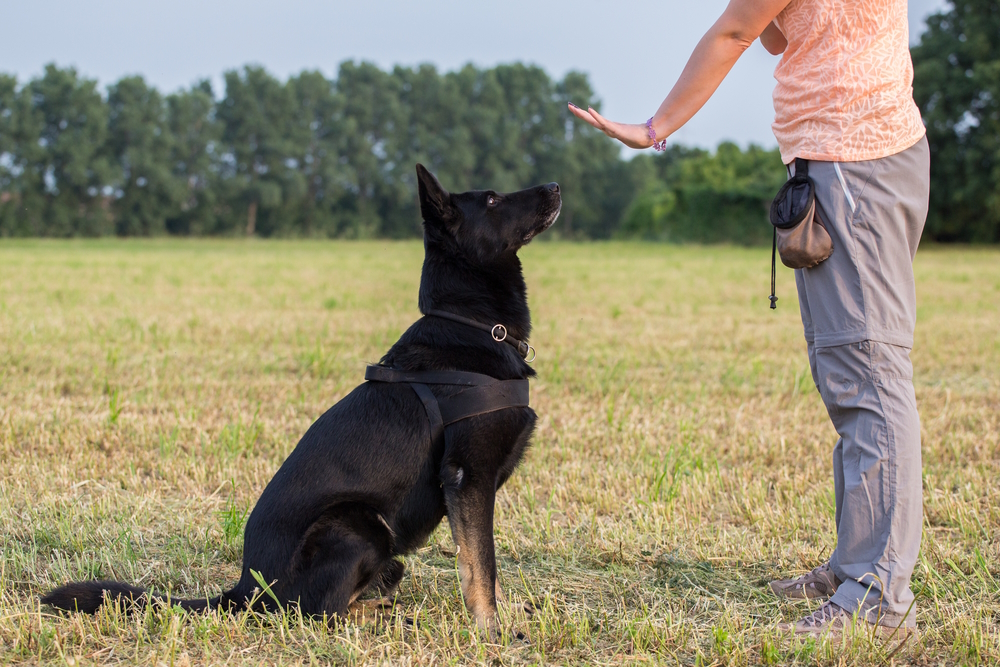
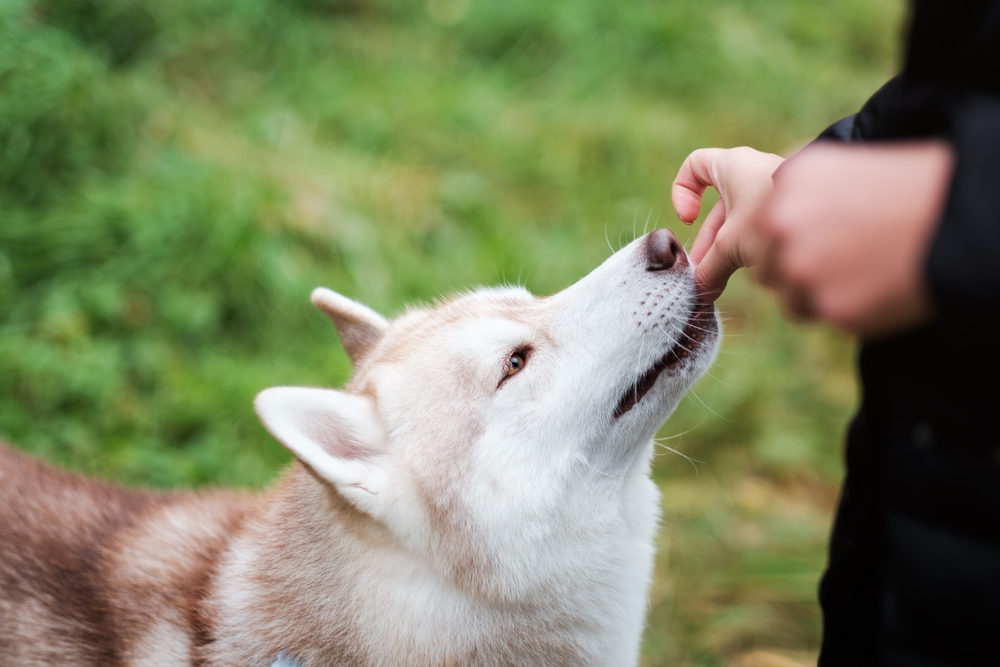
An example of positive reinforcement is teaching a dog to sit and giving them a treat when they get in a proper sit position. You offer a reward to reinforce the behavior, and the dog connects the action with a positive outcome, making it more likely to occur in the future.
When to Use Positive Reinforcement
Positive reinforcement is the agreed-upon training technique for most experts worldwide, and virtually every reputable trainer integrates it into their practices.
By staying positive, trainers engender trust and promote a strong dog-owner bond. They also put their dog in a better position to follow their direction. At the same time, this makes training more enjoyable, turning it into a game that promotes focus and motivation.
Research suggests positive reinforcement is the most effective style in producing desirable training outcomes. Studies have found dogs respond to commands more readily following positive reinforcement versus aversive methods and show fewer stress-related behaviors during training.1 Positive reinforcement dog training techniques enhance the dog-owner bond and maximize the pet’s welfare.2
2. Positive Punishment
Like positive reinforcement, positive punishment involves adding something to the situation. In this case, the addition punishes the dog for performing an unwanted behavior. E-collars (shock collars) are typical tools in positive punishment training. If the dog performs an undesirable action, the trainer adds a quick buzz to the neck as a correction.
As with positive reinforcement, positive punishment can correct unwanted behaviors, but it does so by inflicting pain or discomfort, which can have undesirable consequences later.
When to Use Positive Punishment
Positive punishment is generally only reasonable when the alternative is harm to the dog, another person, another animal, or property. The American Veterinary Medical Association advises against aversive training methods when creating dog training plans, as there are usually alternatives that should be pursued first.
Positive punishment doesn’t make sense if you’re training a sit command. It’s a new behavior you’re trying to teach without any immediate risk involved if your dog doesn’t comply, making punishment unnecessary and unfair.
While many dog training professionals use aversive methods and they seem to work, the downsides usually outweigh the benefits.
Drawbacks of Positive Punishment
Alongside the limited effectiveness of punishment-based techniques versus reward-based dog training methods, dogs trained through punishment tend to show more problematic behaviors than those trained via reward. Studies suggest aversive tactics can increase stress, cortisol levels, escape behaviors, and aggression. The negative emotional state that punishment causes can make dogs more pessimistic.
If you use tools like E-collars or prong collars, you rely on the presence of these tools to correct your dog’s behavior. For example, if you try walking your dog without the prong collar, they are likely to pull strongly on the leash, suggesting their behavior has not been modified in the long term.
Dogs facing frequent punishment can develop distrust toward their owners, negatively affecting their welfare, relationships, and obedience. Problems can worsen if owners don’t use positive punishment correctly or at the proper time.
The training can become confusing, inconsistent, and more stressful. They tend to be cautious about offering new behaviors. Unaware owners can promote a cycle of increasing problems, as fear-based behaviors stemming from the training technique can cause them to punish their dogs further.
3. Negative Reinforcement
Negative reinforcement is the flipside of positive punishment. It’s another aversive technique but doesn’t involve adding something to reduce an unwanted action. Instead, you’re taking something away (“negative”) to reinforce an agreeable behavior.
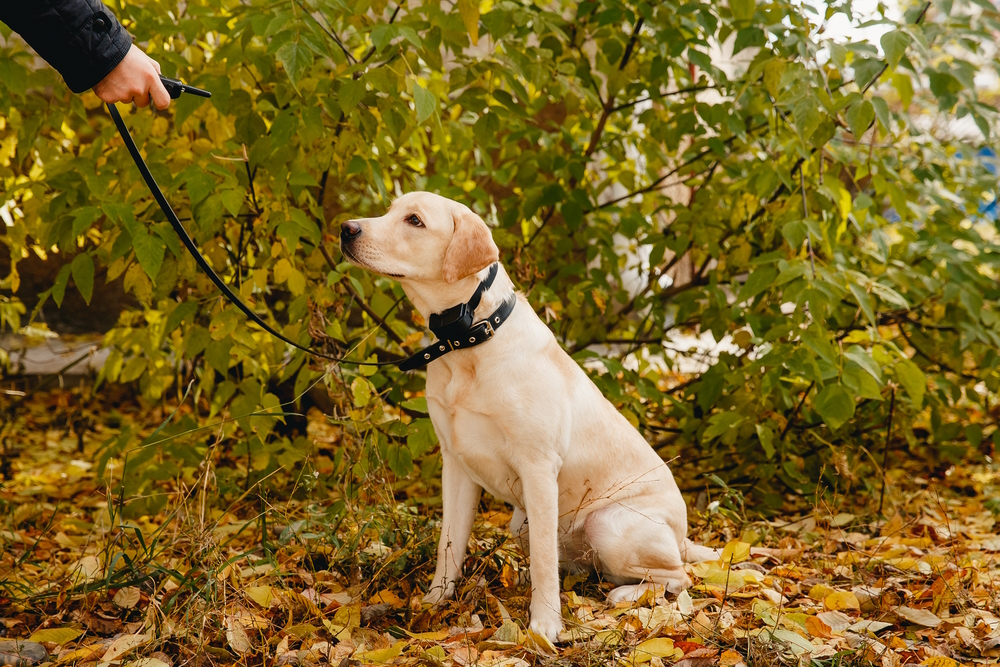
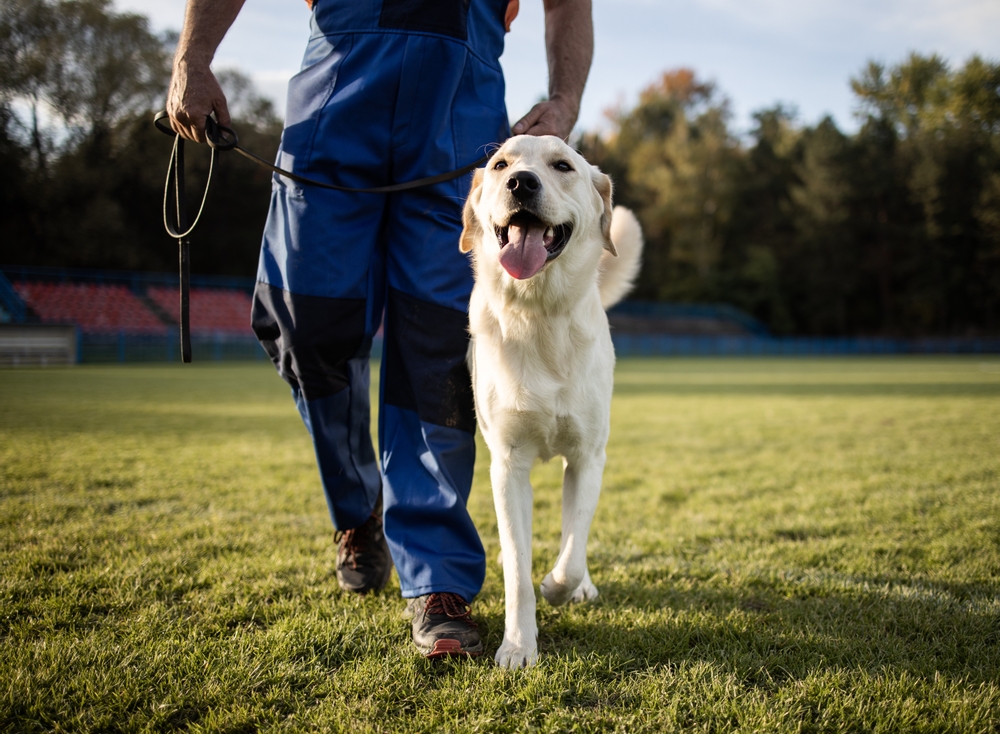
An example might be applying pressure to a leash and releasing it when your dog looks away from a stimulus or returns to your side. The relief from discomfort tells them that this behavior is more satisfying, and they’ll be more likely to do that action in the future.
When to Use Negative Reinforcement
In many ways, negative reinforcement is tied to positive punishment. When using a prong collar, the prongs engage when a dog moves away (positive punishment). They then disengage when the dog lets the leash loosen by returning (negative reinforcement). Both techniques happen in the same sequence but at different points.
Negative reinforcement is another coercive technique that most trainers recommend using only in rare cases, if ever. When used too often or incorrectly, it can have the same unintended effects on your dog’s behavior and your bond as positive punishment.
Drawbacks of Negative Reinforcement
As another aversive training technique, negative reinforcement has been shown to harm the dog-owner bond, as suggested by a decrease in gazes. Similarly to positive punishment, this training method can rely on the presence of tools to change the dog’s behavior and make training sessions into something unpleasant for them.
4. Negative Punishment
Negative reinforcement aligns with positive punishment, and negative punishment is the counterpart to positive reinforcement. Despite how it sounds, negative punishment is a non-aversive way to help your dog make decisions that have positive outcomes.
Negative punishment involves removing something (“negative”). In doing so, you reduce the likelihood of an unwanted behavior happening (“punishment”). We take away something desirable, most often access or attention, to show our dogs that their actions will not get them what they want.
An example might be how you react when your dog jumps on you (an unwanted behavior) when you walk in the door. If you turn your back, cross your arms, and ignore your dog, you punish them by removing the attention they want. Once all four paws are back on the floor, you can engage them to reinforce this new, more appropriate behavior.
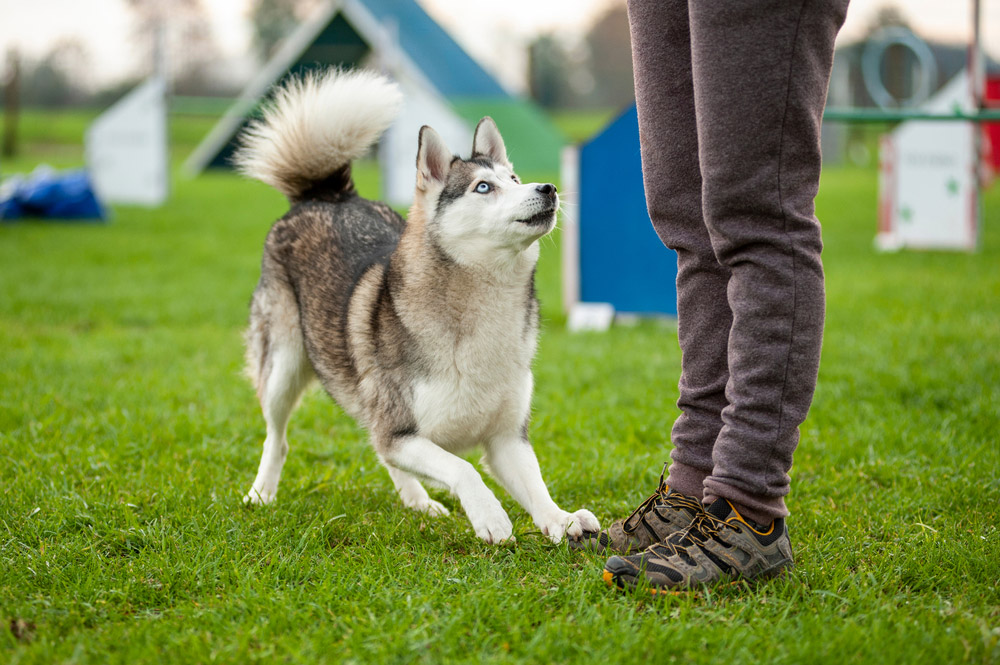
When to Use Negative Punishment
Negative punishment is an ideal dog training technique to stop unwanted acts like barking, biting, or aggressive play. A few practical applications would be using time-outs or issuing anti-reward markers, like “no, sir” or “too bad.” Here, you can provide warnings to create expectations.
With time-outs, you can remove a dog from access to visitors if they act out. As with positive reinforcement, timing punishments properly is essential. You want to build associations between unwanted acts and their consequences. When your dog doesn’t follow directions, you can immediately take them to a different room as punishment, removing the desired interaction.
Letting your dog make mistakes isn’t advisable if they pose a severe risk to others. Otherwise, marking mistakes while rewarding positive behaviors may help dogs remember outcomes and solidify their behavior without negatively affecting their confidence or bond with their owners.
5. Shaping
Shaping trains specific behaviors with positive reinforcement to help dogs find the best way of operating. In this method, the trainer reinforces successive approximations of a target response until the dog does what they want. Trial and error builds the behavior.
You can use shaping for obedience behaviors. Let’s say that you want your dog to walk across the see-saw in an agility course. You can reward them just for simply approaching the see-saw at first. The dog will then be curious as to what got them the treat. If they take a few steps onto the see-saw, you can give them another reward, and so on, until they complete the entire action.
Shaping this behavior involves constantly changing your reward criteria until your dog figures out they must slowly walk across the see-saw.
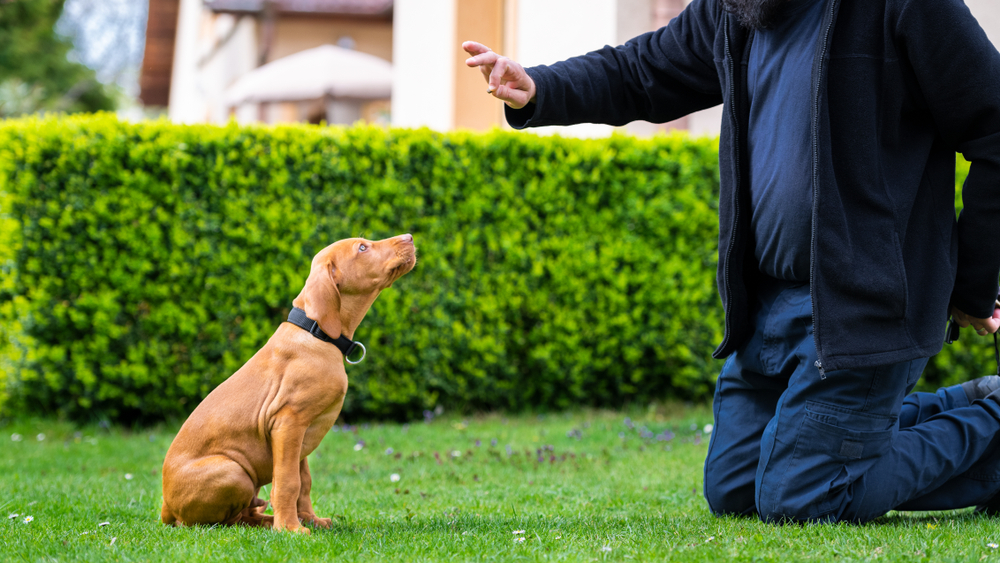
Benefits of Shaping
Shaping can take more patience and skill than other techniques but is an excellent way to fine-tune actions and work on complex behaviors. It’s also low-stress. We don’t place any apparent expectations or pressure on our dogs to perform with shaping. They simply get rewards for different actions, allowing them to go at their own pace and make choices without negative consequences.
Choice is the other benefit of this dog training technique. Rather than pressuring dogs to perform unnatural behaviors, shaping helps them make decisions independently. They have to employ active thinking to build connections and work harder to get the right response, making it easier for the lessons to stick in the future.
6. Luring
Luring is one of the simplest dog training techniques that help teach general behaviors. The lure is an object the dog finds rewarding and holds their attention, like a treat or a favorite toy. You use the lure to guide the dog into completing a specific task.
For example, to train “sit,” you can hold a treat and move it slowly over your dog’s head. Your dog will naturally follow the treat, pulling their head back and lowering their rear to the floor into a sitting position. Once they sit, you mark it and reward them. You can eventually replace the lure with a cue word.
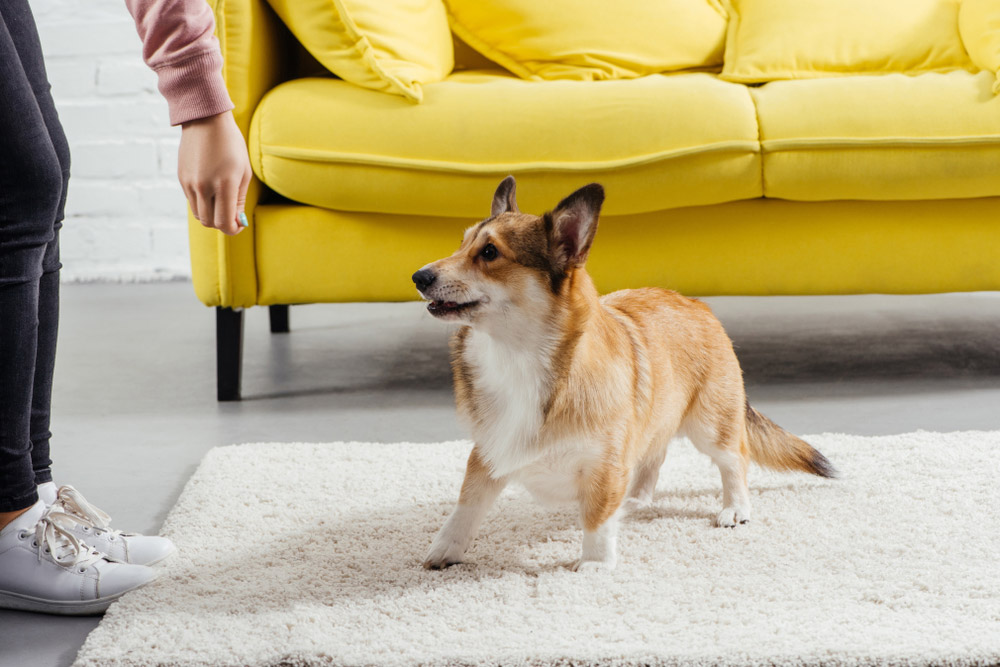
Benefits of Luring
You can train obedience commands quickly and easily through luring. Dogs can accomplish place, sit, roll over, spin, down, and all kinds of actions on the first try. Successive repetitions will solidify the behavior. You can also use luring to train movements like heeling or running an agility course.
7. Capturing
Capturing can occur randomly during the day or in training sessions to reinforce your dog’s natural behaviors. When they perform a desired action, you reward it. There’s no prompting or formal training setup; you only wait for your dog to act.
For instance, if you want to train your dog to stretch on command, you can wait for them to do it naturally. When you see them do it, you reward them. This method is best used with an audible marker for good behavior. You can say “good girl” if your dog knows what that means or use clicker training to your advantage.
Although it can take a while for your dog to offer a specific behavior, getting them to repeat it becomes exponentially easier with every attempt. Once they see it gets rewarded, they’ll do the action over and over. You can then attach a cue word to have them perform the behavior on command.
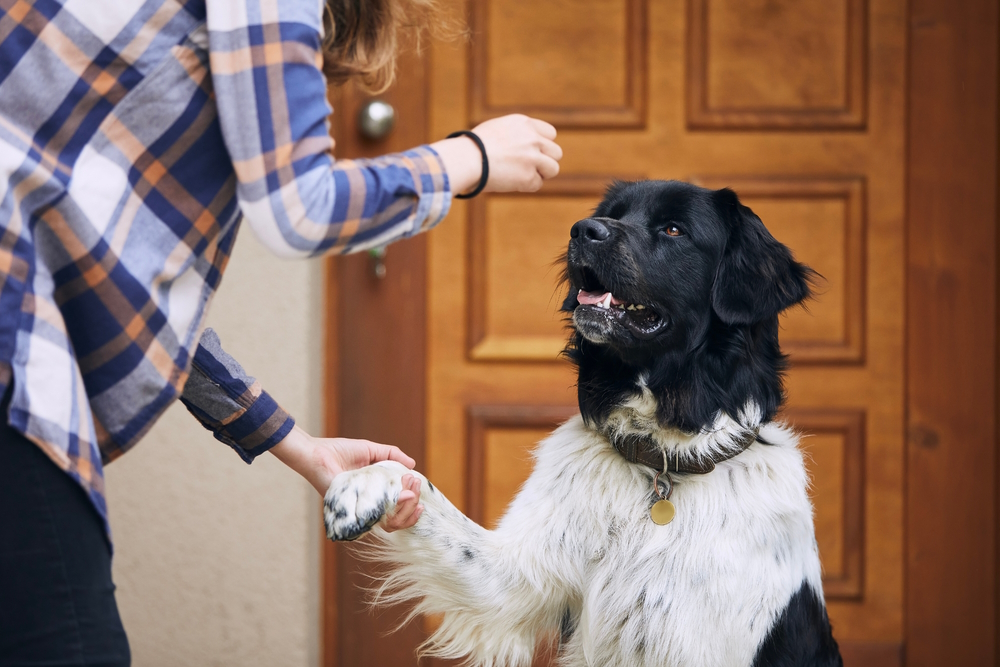
Benefits of Capturing
It takes timing and awareness to use capturing effectively, but like shaping, it taps into your dog’s decision-making. They must think about what earns rewards, keeping them motivated to work toward it. It’s also mentally engaging for your dog, as guessing what gets the reward becomes a game.
Conclusion
Choosing training techniques can be confusing, especially since teaching most behaviors requires unique blends of several principles. Methods that use positivity and engage your dog’s thinking and problem-solving abilities yield the best results. Although they demand more patience and skill, you’ll appreciate the benefits they’ll have on your dog’s confidence, obedience, and relationship with you.
Also see:
Featured Image Credit: Luca Nichetti, Shutterstock
 How Are Dog Training Techniques Classified?