Can Dogs Eat Chicken Bones? Vet-Verified Nutrition Facts & Risks


In this article
Chicken is the most popular protein in most American homes, thanks to its overall low cost and high nutritional value. Some people find even more value in their chicken by purchasing cheaper cuts of meat, like thighs or entire chickens.
Pound for pound, this is usually a less expensive way to purchase chicken, but it does mean that you’ll end up having to deal with bones. You might think that you can just toss the bones to your dogs after you finish with them. Is this safe and healthy, though? The short answer is no. Keep on reading to find out why.

Is It Safe for Dogs to Eat Chicken Bones?
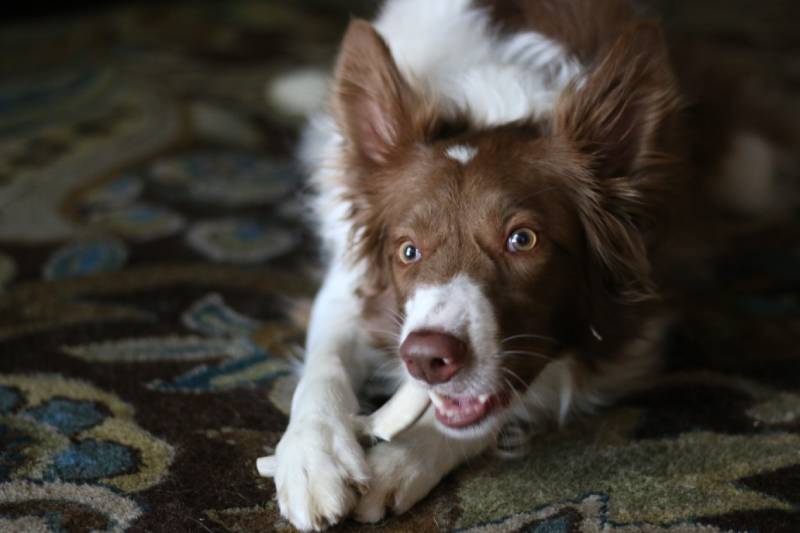
Chicken bones are not considered to be a safe type of bone to give to dogs. This is due to the small size and hollow nature of these bones, which often leads to them splintering when consumed. Splintered chicken bones can cause scrapes and punctures all throughout the digestive tract, from the throat to the rectum.
If consumed by a small enough dog or in large enough quantities, chicken bones can even lead to intestinal obstructions, which can be a medical emergency. Any nutritional value that chicken bones may have for your dog is superseded by the dangers that they pose for your pup.

Are Cooked Bones Safer Than Raw Bones?
Cooked chicken bones are not any safer for your dog than raw chicken bones. In fact, cooked bones may be more likely to splinter when consumed, potentially making them more dangerous to dogs than raw bones.
While feral dogs and wild canines often consume raw bones and cooked bones from the trash, there is no reason to intentionally give these potentially dangerous bones to your dog. If you have concerns about specific nutrients that you believe bones might help your dog with, you should speak to your vet or a board-certified veterinary nutritionist for further guidance.
What to Do if Your Dog Eats a Chicken Bone
If your dog consumes a chicken bone, there is likely very little you should do. You absolutely should not attempt to make your dog vomit the bone back up. This poses a serious choking hazard for your dog. Even if a vet does recommend you attempt to help your dog vomit the bone up, you should insist on having your dog at a vet clinic and have the professionals do it.
Although not generally considered to be safe, chicken bones are often digested enough that they pose little to no risk while passing through the digestive tract. The issue is that the safety factor is not a guarantee, so the risks outweigh the potential benefits.
If your dog does manage to eat a chicken bone, you need to contact your vet for further guidance. If you know your dog ate a chicken bone and they begin having any signs of problems, like vomiting or attempting to vomit, lethargy, inappetence, coughing, drooling, gagging, and diarrhea, you need to get your dog to a vet as quickly as possible.

In Conclusion
Chicken bones are not a food that you should intentionally give to your dog, whether cooked or raw. There is a potential for intestinal obstruction, injuries to the digestive tract, and infections with chicken bone consumption.
Your dog’s vet is the best resource if your dog consumes a chicken bone. While there is usually nothing for you to do except monitor your dog, the recommendations can vary based on the health and history of the dog.
Related Read: Can Dogs Eat Chicken Gizzards? Vet-Reviewed Facts & FAQ
Expert dog care, straight to your inbox
Vet-reviewed advice, training tips, and the best of Dogster. Free, and you can unsubscribe anytime.
By signing up, you agree to our Terms & Conditions and Privacy & Cookies Policy.
Brooke Billingsley spent 9 years as a veterinary assistant before becoming a nurse in 2013. She lives in Arkansas with her boyfriend, and loves all animals; currently sharing a home with three dogs, two cats, five fish, and two snails. She has a soft spot for special needs animals and has a three-legged senior dog and an internet famous cat with acromegaly and cerebellar hypoplasia. Fish keeping has become a hobby of Brooke’s and she is continually learning how to give her aquarium pets the best life possible. Brooke enjoys gardening and keeps a vegetable garden during the summer months. She stays active with yoga and obtained her 200-hour yoga teacher certification in 2020. She hosts a podcast focusing on folklore and myth and loves spending her free time researching and writing. Brooke believes that every day is an opportunity for learning and growth and she spends time daily working toward new skills and knowledge.
Join the conversation
Ask a question, share your story, or send private feedback.