Do you need to know what to do if your dog has been in a dog fight? It is an extremely stressful time for all parties involved and panic can set in quickly. If your dog has sustained injuries in a dog fight, it is vital that you act quickly to prevent them from being injured again and to get them the medical attention they need.
Above all, you need to prioritize the safety of any animals and humans involved. This article will discuss everything you need to know if your dog does get injured in a fight. Read on to find out more.

Step-by-Step Guide to Treating Dog Fight Injuries
1. Be Careful
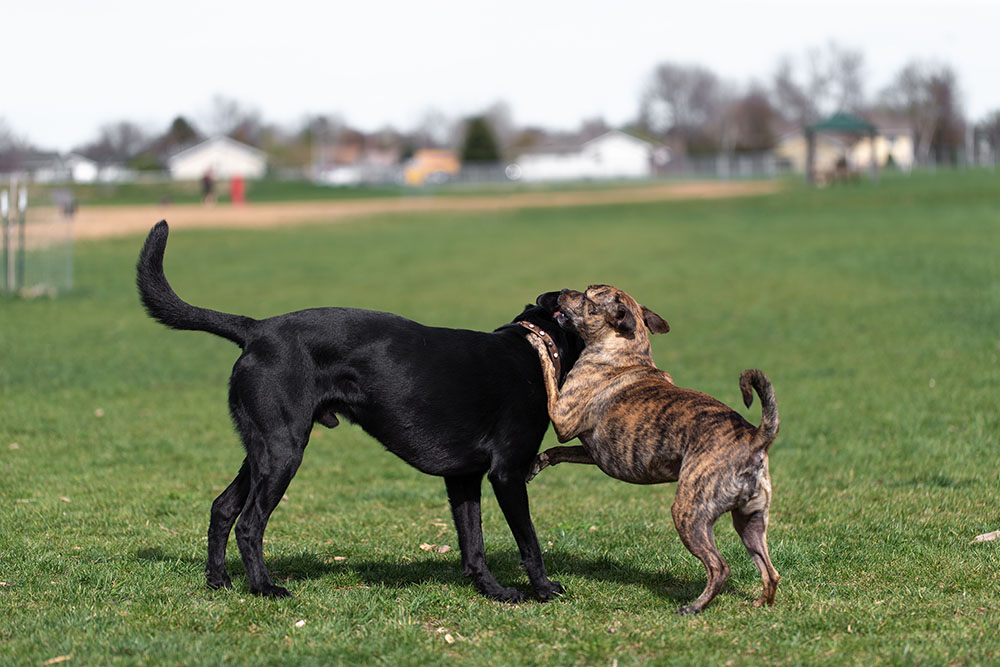
You must approach the situation with caution. Dogs are powerful animals and can do serious damage to humans, especially if they are full of adrenaline from the altercation already. Never try to separate the dogs or break up the fight with your own hands or parts of your body.
In the throes of a fight, even your own dog is very likely to bite you as they will be in full fight or flight mode and will attack anything that they feel even remotely threatened by.
Your best bet is to try and distract the dogs by creating a loud noise or throwing water on them from a safe distance. If it is at all possible, separate the dogs, this could mean putting one of them in a yard or inside somewhere temporarily. Just make sure they will not be able to attack any other animals or people wherever you put them as they will be extremely stressed and wound up at this point.
2. Secure Your Dog Somewhere Safe
If your dog is injured in any way, it is important that you secure them somewhere safe to prevent them from causing any more injuries to themselves or another animal or person. If possible, use a dog lead to enable you to control them properly, although only if it is safe to do so. If your dog is a smaller breed, a small pet carrier can be useful to keep them safe.
This also prevents them from running off so that you can get them to a vet as soon as possible.
3. Check for Injuries
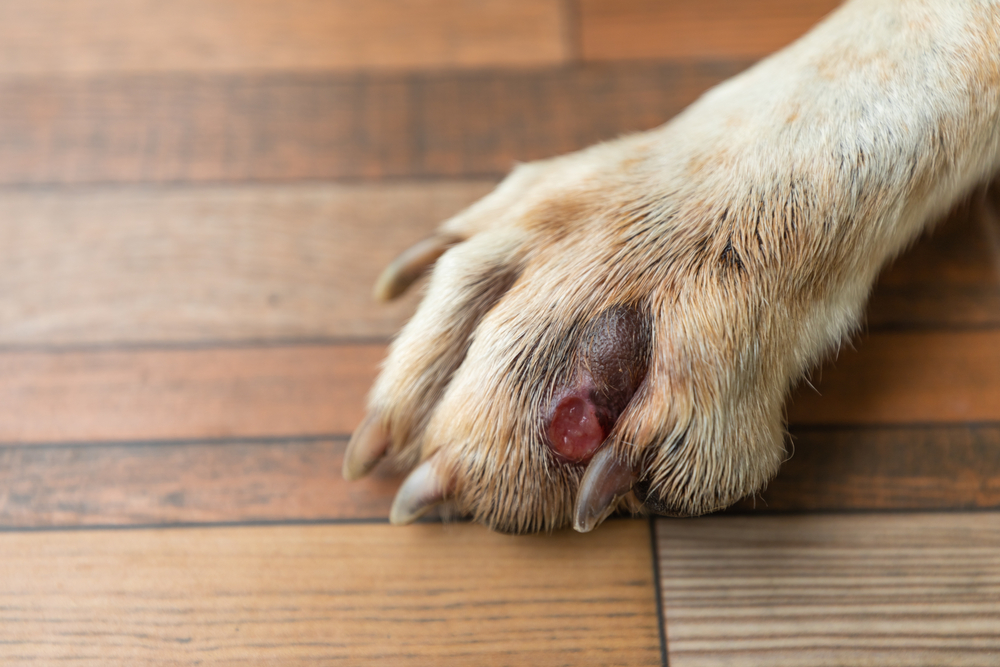
When the dogs have been safely separated and secured, check your dog for any injuries or trauma. This can include any swelling, punctures, lacerations, bleeding, pain, limping, or not using parts of their body. It may be necessary to carry out this before the step mentioned above if serious injuries are sustained or your dog is collapsed or unconscious.
4. Contact a Vet
If your dog has been in a fight, it is very important that you contact a vet to arrange for them to be seen. Even if your dog appears to be fine and you cannot see any injuries, it is very important that they get checked out as there are lots of things that could have happened that are not visible or very obvious.
Hidden injuries can include dog bite puncture wounds. These can seem small on the surface of the skin, but they may go a lot deeper than is visible to the naked eye. If left untreated this can lead to serious complications. Shock is another hidden complication of dog fight injuries.
Some injuries can only be diagnosed by a vet, usually equipment such as X-rays or ultrasound scanners. Some injuries may appear mild, but they can quickly escalate into more serious injuries if the correct treatment is not given at an appropriate time. The vet will be able to give your dog a full examination and determine the most suitable treatment for them. If your dog is very stressed after the incident or is frightened, they may not tolerate anyone examining them.
If this is the case, the vet can give them a small amount of sedation to allow for them to be examined safely. This is another good reason to take them to a vet as soon as possible.
If you are far from a vet clinic and need urgent vet advice and guidance on the best course of action you can chat with a vet online.
Did you know you can speak to a veterinarian without having to travel? Just head over to PangoVet. It's our online service where you can talk to a vet online and get the advice you need for your pet — all at an affordable price!

5. Clean Any Wounds
This step depends on how quickly you can get to a vet and how serious the wounds are. If it is going to be in a matter of minutes, then it is far better to get your dog to the professionals first before attempting to do anything. If it is going to be a longer amount of time before you can get to a vet, you can try and clean any wounds if your dog will tolerate it.
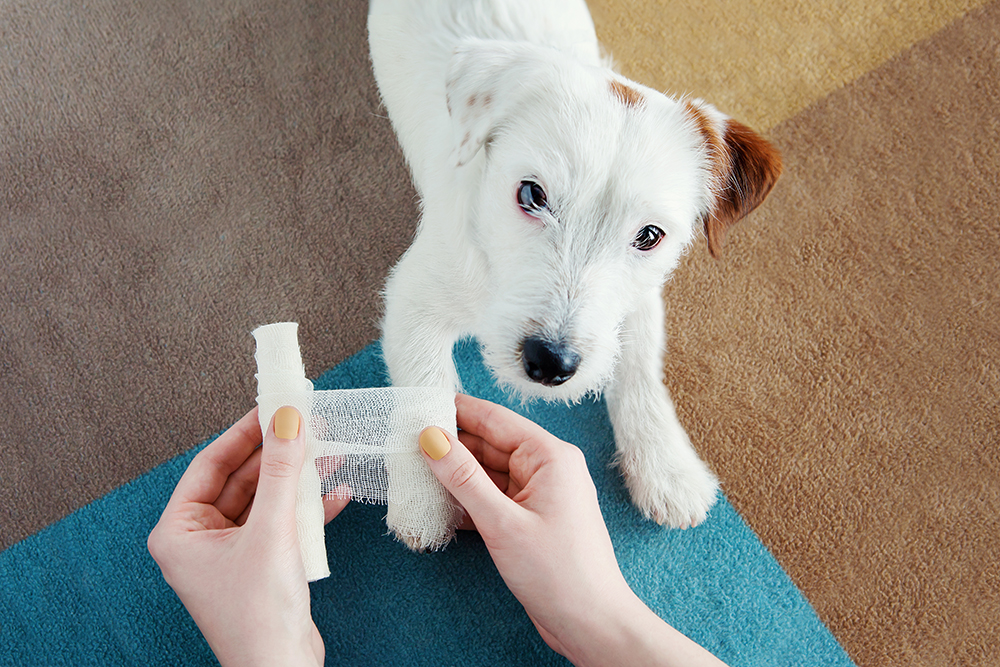
For minor superficial wounds (just present on the surface of the skin and no deeper) you can clean the area. It is best to use a mild antiseptic solution if you have any. You must be gentle when doing this, so you do not hurt your dog or cause more harm. If there is any bleeding, light pressure from a clean gauze can be applied. It is important to monitor the wound for signs of infection such as swelling, redness pus, or other discharge.
Bites and wounds are very likely to become infected due to the bacteria dogs carry in their mouths. The vet will be able to clean the wound properly, give the necessary antibiotics, and administer important pain relief.
6. Try to Move Your Dog as Little as Possible
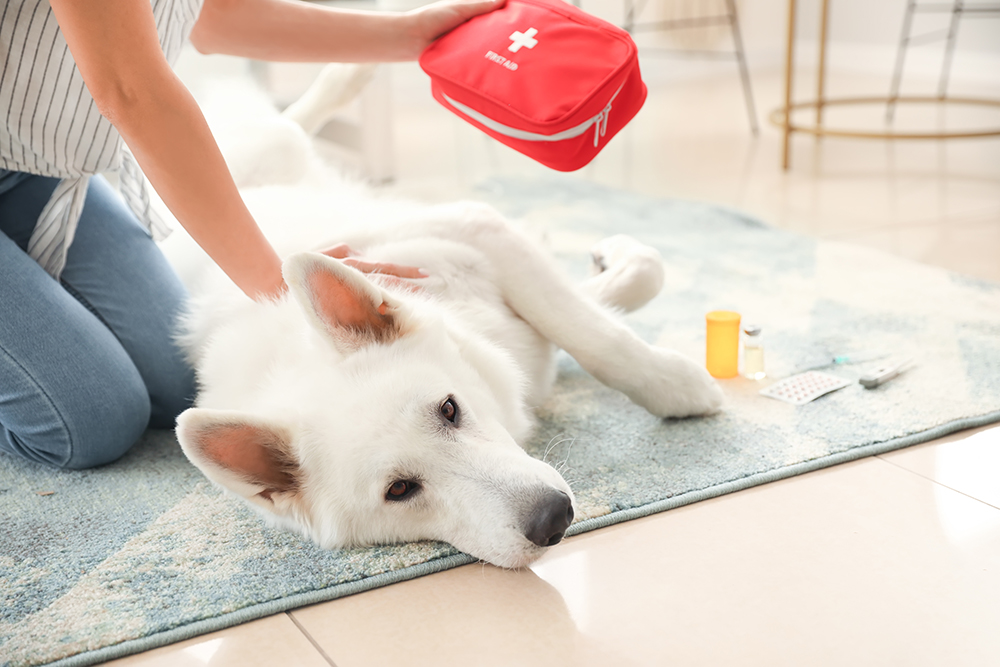
It is important to try not to touch or move your dog if they have sustained serious injuries. Moving them unnecessarily can lead to more damage. If there is an option to safely transport them to a vet, do this as quickly as possible. Otherwise, arrange for a vet to come to you.
There may be a delay if you are waiting for the vet as they may be dealing with other animals at their workplace.

What to Expect at the Vet
The vet will perform a thorough physical exam of your dog. As mentioned above, they may require a small amount of sedation for this, especially if they are in pain or very stressed. They will check for wounds, see if there are any less obvious injuries, for example under and around bites, and decide what further diagnostics are required (if any).
Depending on what state your dog is in, they may need to start emergency treatment immediately if there is a lot of trauma. The vet will give pain relief and they will usually start antibiotics if it is indicated. This is to prevent infection from becoming established due to bacteria entering the body via wounds. Intravenous fluid therapy may be required if your dog is in shock. Once your dog has been stabilized, your vet will continue with their diagnostic investigation.
Treatment
Depending on the injuries sustained, treatment may involve cleaning and repair of bite wounds and scratches. Often, they will require flushing to completely clear the area. This helps to prevent an infection from developing. Large wounds may require suturing or stapling with surgical staples. This usually requires a general anesthetic, but some smaller wounds can be stapled consciously in some dogs.
Owners need to be aware that with some dog bite wounds, repeated surgeries may be required. The vet may also need to place a surgical drain. This helps to clean the wound and stops fluid from building up in the “dead space” created by the force of the dog bite. The vet may also need to explore bite wounds that go deeper than the skin to assess underlying damage. This often needs to be done under a general anesthetic.
Puncture wounds from a dog’s teeth can penetrate deep into the body cavity. They can go into the abdomen and cause damage to the organs here and also cause large amounts of internal bleeding. Puncture wounds can penetrate the chest and go deep enough to puncture the lungs. This can lead to bleeding into the chest cavity and air leaking into places it should not be in the chest cavity.
Both of these situations require emergency surgery to repair the injuries. Dogs with very severe injuries may require a blood transfusion.

How to Prevent Dog Fight Injuries
Always keep your dog under control in public places. Keep them on their leash and avoid busy parks and walks where you know there will be other dogs. In some scenarios, neutering your dog can help to reduce aggressive behavior and fighting.
It is also important to make sure your dog is up to date with their annual vaccinations. Dog fights can often spread diseases such as distemper virus or rabies.
Seek advice from a veterinary behaviorist if your dog has a history of fighting or is aggressive with other dogs. They may be able to help you address underlying issues your dog has.
Conclusion
Dog attacks are traumatic for both owners and their dogs. Dog bites often cause a lot of damage under the wound that cannot be seen by the naked eye. There are some measures all owners can take to avoid dog fights but unfortunately, sometimes this is not possible.
If your dog has been attacked, you must seek veterinary attention immediately.
Featured Image Credit: Liudmyla Guniavaia, Shutterstock