Cane Corso Health Issues to Watch For: 7 Common Vet-Reviewed Concerns


In this article
Cane Corsos look healthy and vibrant, as well as super-strong. However, like many large-chested dogs of considerable weight, Cane Corsos are prone to several health conditions and issues. The truth is, even the biggest, strongest dogs can have health concerns, and the Cane Corso is no exception.
Since nobody likes to watch their dog suffer, we put together a list of the seven Cane Corso health issues to watch for. Read on to learn how to prevent these health issues or at least lower the risk of your Cane Corso suffering from them.

The 7 Common Cane Corso Health Issues
1. Hip Dysplasia
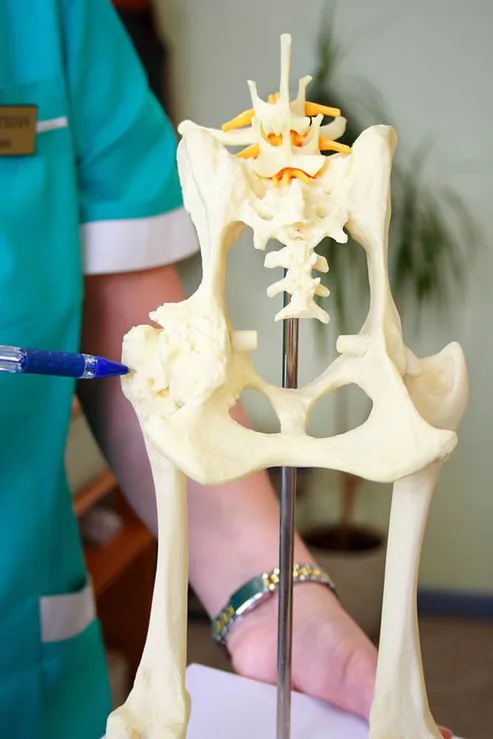
Because Cane Corsos are such large dogs, they often suffer from hip dysplasia, a joint issue that starts when your Cane Corso goes through their puppy growth stages. When a dog develops hip dysplasia, which unfortunately can happen to almost all breeds, the hip joint loosens and doesn't function correctly, which can cause inflammation and, with time, chronic pain, followed by degenerative joint disease as the body’s attempt to stabilize the joint.
Even worse is that, as your Cane Corso grows and ages, the bone and the cartilage around the hip joint start to wear down further. This can cause several other health problems, including pain, arthritis, and limited mobility, while some dogs may show no signs at all until they are older.
- Limping
- Trouble standing
- Weird sitting positions
- They “bunny hop” when they run
- Problems going up and down steps
- Popping noises when your Cane Corso walks
2. Obesity
Many large breeds are prone to obesity. Like most dogs, your Cane Corso will gladly eat everything you give them and keep eating even if they're full. If you give your furry friend too many treats or too much food, once they reach adulthood, obesity is a definite risk. Also, once obese, your Cane Corso may be more likely to suffer from other health issues, including joint pain, hip dysplasia, diabetes, breathing problems, and even heart disease.
Obesity and associated higher risk for certain medical conditions may impact your Cane Corso’s lifespan, so providing your pup with a nutritious and balanced diet is essential. It's also critical that your Cane Corso gets plenty of exercise to burn off any extra fat and calories they may have eaten.
3. Idiopathic Epilepsy
The first thing you need to know about idiopathic epilepsy is that the term “idiopathic” means veterinarians don't know what’s causing the problem. That makes it quite hard to determine a course of action for your Cane Corso’s healthcare. Idiopathic epilepsy causes seizures in Cane Corsos usually between the ages of 1 and 5. Experts believe it’s caused by a hereditary genetic issue but the exact cause remains unknown. If your Cane Corso has idiopathic epilepsy, it's difficult to miss.
Your poor pup will collapse onto the floor and convulse for up to 1.5 minutes. During that time, their limbs may paddle, become stiff with the dog trembling or shaking, salivate heavily, and they might also lose control of their bowels and bladder and have an “accident.” You should also note that there’s a period after an idiopathic epilepsy seizure that can last for a few minutes or hours. This, however, is not the actual seizure but a reaction to it, manifesting as the dog being slow, sleepy, bumping into things, and disorientated.
4. Entropion
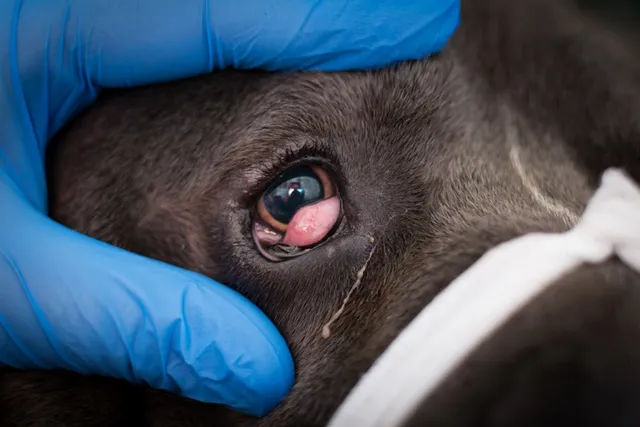
Entropion is quite similar to ectropion except that, instead of the eyelid turning outward, it turns inward. When the condition happens to your Cane Corso, their eyelashes and fur can rub against the cornea of their eyes. This can cause several other problems, including corneal ulcers, erosions, and chronic eye pain.
The problem can also cause scarring on your pup's corneas, interfering and, eventually, reducing their vision if not treated and corrected. Last but certainly not least, an entropion can cause your Cane Corso to suffer from a lot of pain, which is why it needs to be treated as soon as possible.
5. Demodectic Mange
Demodectic mange is a nasty health issue your Cane Corso can suffer if parasitic mites damage the skin, including Demodex canis or Demodex injai. What's interesting about demodectic mange is that the mites that cause it are commonly found in the skin of a Cane Corso and other dogs.
However, if the dog’s immune system is healthy, the mites don't cause the dog any harm. Only when a Cane Corso has a compromised or immature immune system can parasitic mites cause this inflamed and painful condition that usually isn’t very itchy. Demodectic mange is also known as red mange. A dog with demodectic mange will typically show signs such as inflamed and scaly skin lesions and hair loss.

6. Bloat and GDV
Although bloat can affect any breed, Cane Corsos are prone to it because of their large, deep chests. Bloat happens when your Cane Corso’s stomach fills up with gas, fluids, and food. When this pressure builds in your puppy's stomach, it puts pressure on the diaphragm, making it harder for your dog to breathe and compromising their circulation by compressing the large blood vessels.
Even worse is that, in some cases of bloat, your dog's stomach will flip over and drag its pancreas and spleen with it, reducing blood flow to those organs. When this happens, systemic shock and collapse occur that put your dog’s life at risk if they are not treated immediately. A severe case of bloat with a stomach twist or torsion is called gastric dilatation volvulus or GDV. Eating one large meal per day, having a nervous or anxious personality, or exercising soon after a meal are just some of the risk factors associated with this condition.
7. Ectropion

If you've ever seen a Cane Corso with “droopy” eyelids, they’re likely suffering from an ectropion health condition. A Cane Corso with ectropion will have eyes that look red and inflamed. Also, when they blink, their eyelids may not be able to fully meet like usual to protect and lubricate their eyes. Furthermore, because their lower eyelids are loose and the delicate conjunctiva is exposed to the environment, getting irritated and dry, it may cause your Cane Corso’s eyes to become inflamed, infected, and dry, predisposing them to corneal ulcers.
If this happens, your dog might also suffer from another condition called conjunctivitis, which is when the conjunctival sac of the eyes is chronically inflamed. What's disturbing (and a bit ridiculous) is that some breeders try to breed this health issue into their Cane Corso puppies. It makes a Cane Corso look sad and devoted to its owner. (Like we said, ridiculous and very irresponsible, not to mention damaging for the poor dog’s welfare.)
The 5 Ways to Keep Your Cane Corso Healthy
Although many of the health issues that Cane Corsos suffer can't be prevented, some can. Luckily, there are several methods you can use to ensure your Cane Corso stays happy and healthy throughout its life.
1. Adopt or Purchase from a Responsible Breeder
If you want to get a puppy, finding a responsible breeder that health checks their animals and practices regular preventative health care in accordance with their vet’s advice is crucial. This way, you have some peace of mind that you're getting a dog from a healthy background with fully vaccinated parents and offspring that had their hips, elbows, and heart health evaluated, alongside other common health concerns in this breed. Obviously, if you are adopting, you may not know your dog’s medical history, but you may take pride in helping yet another unwanted dog, giving them the life they deserve.
2. Take Your Cane Corso to the Vet Regularly
This tip is one you should follow with all dogs, including Cane Corsos. Regular trips to your local veterinarian are one of the best methods of ensuring your Cane Corso is healthy and stays healthy for many years.
3. Feed Your Cane Corso a Healthy Diet
A healthy, well-balanced diet specifically made for a Cane Corso or a large breed dog food is your best choice when feeding them. Whatever kibble or dog food you choose should be balanced and follow the AAFCO recommendations.
4. Don’t Give Your Cane Corso Too Many Treats
When you give your Cane Corso too many treats, they can become obese. Vets recommend following the 90/10 rule for treats. That means giving your Cane Corso 90% regular dog food every day and only 10% snacks.

5. Make Sure Your Cane Corso Stays Active
Just as important as feeding your Cane Corso a healthy diet and limiting their snack intake is providing plenty of exercise and activity. Cane Corsos have a high energy level and must be allowed to use up as much energy as possible.
At least an hour a day is the minimum, but up to 2 hours a day of activity, play, and exercise is suggested. Some of the best exercises for a Cane Corso include:
- Running
- Playing fetch
- Agility training
- Catching a Frisbee
- Hiking with you
- Long walks
Conclusion
You may be able to prevent some health issues by giving your Cane Corso a healthy diet, plenty of exercise at the appropriate time, and regularly taking them to the vet in order to pick up any problems early on. However, many of the health conditions we discussed are hereditary with a genetic basis, meaning there may not be much you can do except ensure your pooch receives adequate treatment if the issues have arisen from their bloodline. One important thing you must do when getting a Cane Corso puppy is to seek out a reputable, caring breeder. A reputable breeder will get their animals regularly tested for common breed health issues and keep up with preventative veterinary care in order to lower the possibility that your Cane Corso pup will suffer from any of the seven health issues we’ve seen today. If you’re adopting a Cane Corso or adopted one recently, we wish you the very best of luck raising your new puppy into a wonderful adult dog and a fantastic, affectionate, and playful pet! See also:
Sources
Featured Image Credit: Vivienstock, Shutterstock
Expert dog care, straight to your inbox
News, insights, expert advice, and everything dog.

No spam — unsubscribe anytime.
By signing up, you agree to our Terms & Conditions and Privacy & Cookies Policy.
How useful was this post?
Click a star to rate. You can leave written feedback afterwards. (We read all feedback.)
Greg Iacono is a self-taught writer and former chiropractor who, ironically, retired early due to back problems. He spends his time writing scintillating content on a wide variety of subjects. Greg is also an accomplished video script writer known for his ability to take a complex subject and make it accessible for the layperson.
Before retiring from chiropractic, Greg had clinics in 3 different countries, including the U.S., Belgium, and Peru. When not writing, Greg spends his time traveling, riding his motorcycle, and doting on his 7-year-old daughter, Valery. He also has a massive Lego city he built with his son, Alex, and is very proud of his daughter, Catherine, an accomplished graphic artist.