7 Vet-Approved Benefits of Regular Dog Grooming: Important Care Facts


In this article
When most people think about dog grooming, there is usually one of two things that they picture in their mind's eye: a vision of a poofy mane and a frilly bow or a terrifying apparition of chasing their uncooperative, stinky, soaking-wet dog around the house. While we won't deny that some dogs are more challenging than others to groom, the fact remains that grooming is an essential part of dog ownership (though adding a bow is optional).
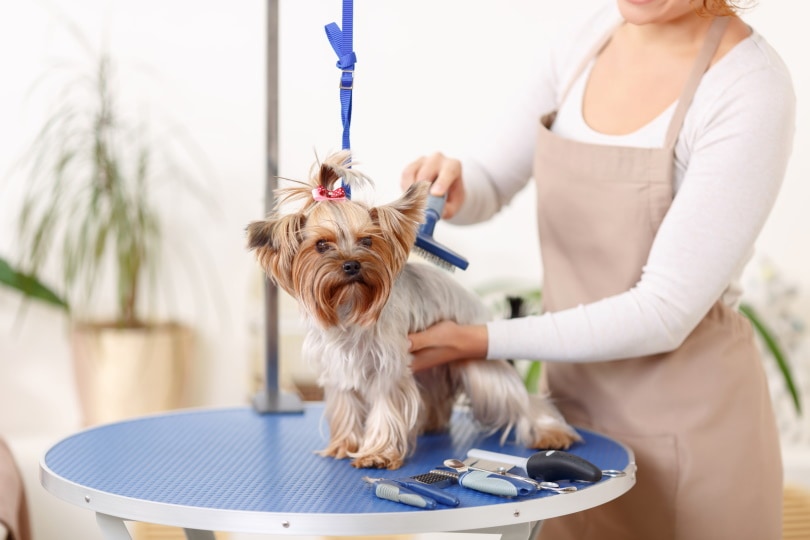
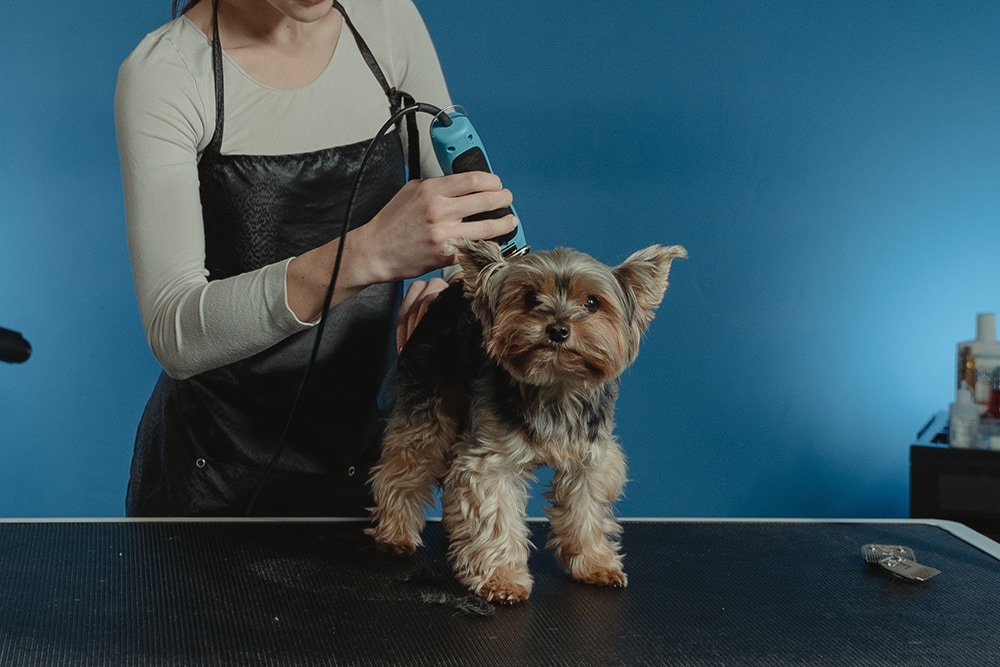
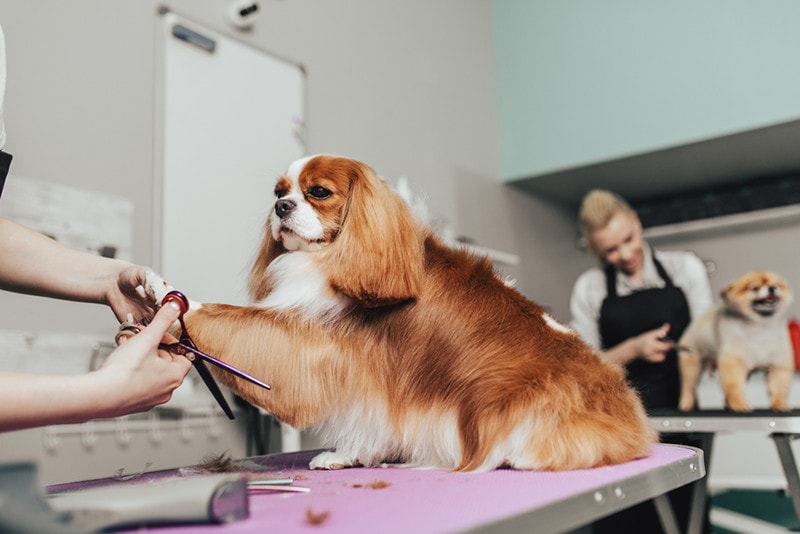
There is more to grooming than just making your dog look handsome or pretty, though. Maintaining a regular grooming schedule allows you to monitor your dog’s overall health, spot external parasites or lumps, reduce shedding, and promote a healthy skin and coat. Keep reading to learn all the benefits of getting your pup to the groomer at least a few times per year (or doing it yourself!).

The 7 Benefits of Regular Dog Grooming
1. Early Detection of Skin or Health Problems
The more often your pup sees a groomer, the easier it will be for them to recognize any skin abnormalities. For this reason, you should try to take your dog to the same groomer each time. They can point out any lumps or bumps you may have missed during your weekly at-home brushing sessions. The sooner you find skin or health issues, the better to prevent them from spreading or becoming worse. If you suspect your dog has a skin or health problem, we suggest you speak to a vet.
2. Promotion of Healthy Skin & Coat
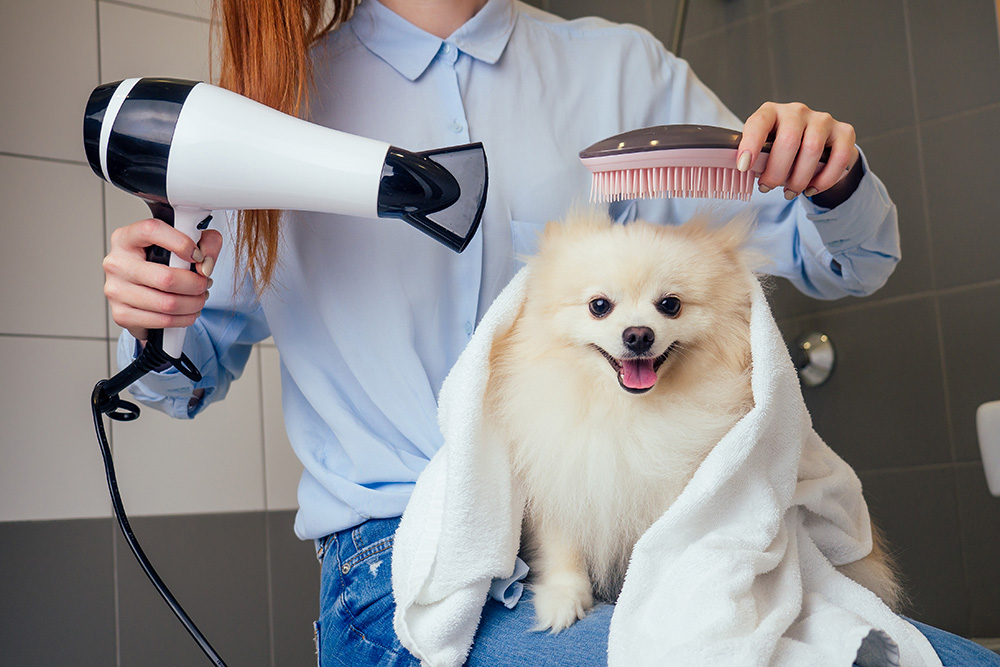
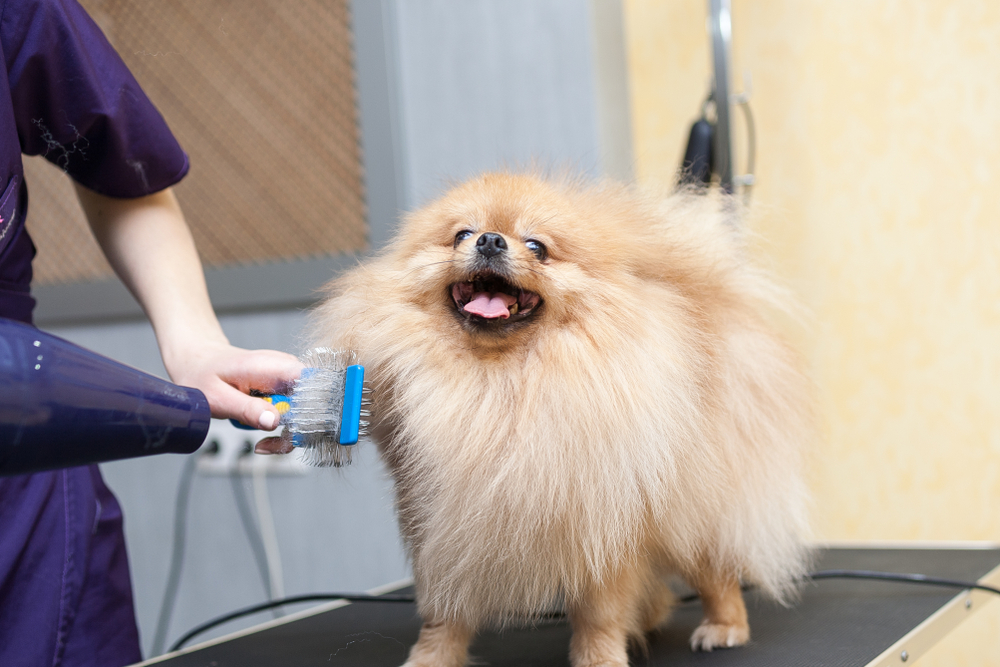
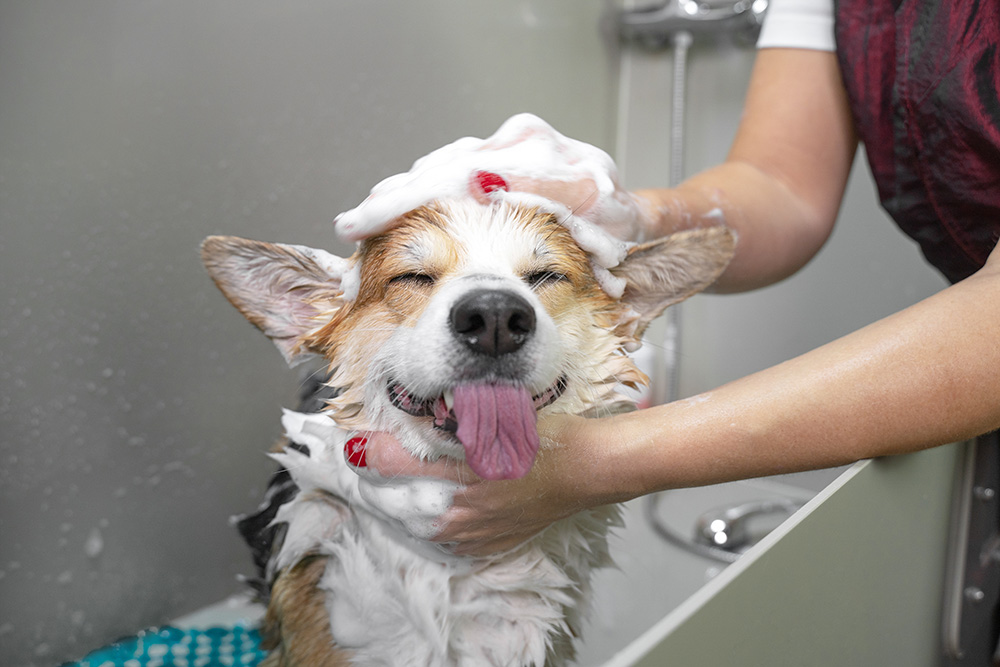
It does not matter if you have a long-haired or short-haired dog; getting them groomed regularly will encourage healthier skin and coats. Your groomer will give your pup a good scrubbing in the bath, blow dry them, and brush their coat to get rid of dead skin. Brushing will distribute your dog's natural oils throughout their coat to keep it looking healthy and shiny.
3. Removal of Mats and Tangles
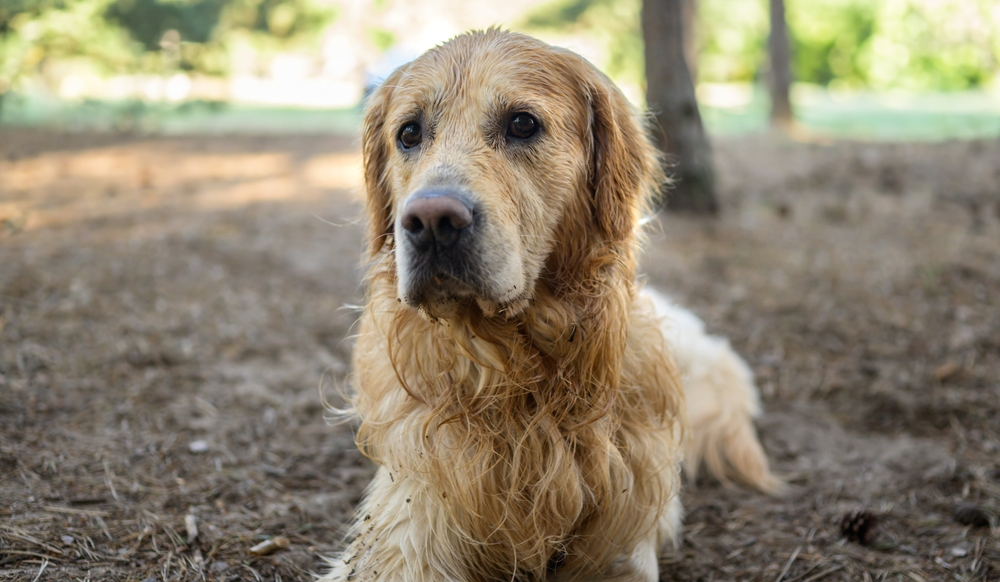
Matts occur when your pet's fur gets bunched and entwined. When the mats are not removed, they can grow larger and pull aggressively on your pup's skin. If mats develop in sensitive areas or become extra tight, your dog can be in a lot of pain. Your groomer may need to trim the mats if they get too close to the skin.
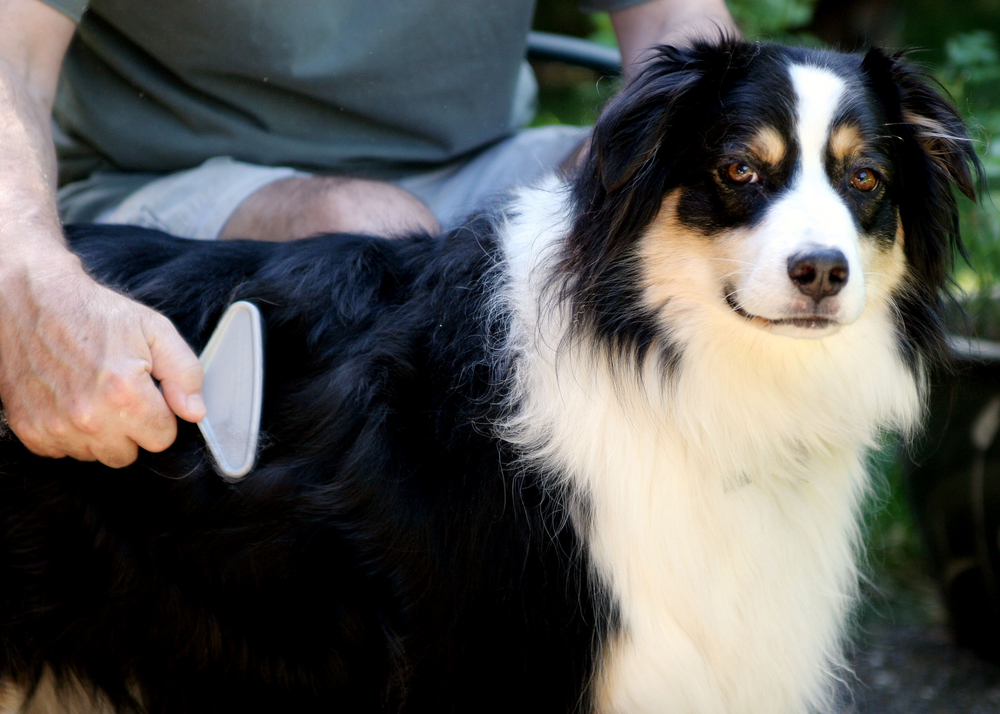
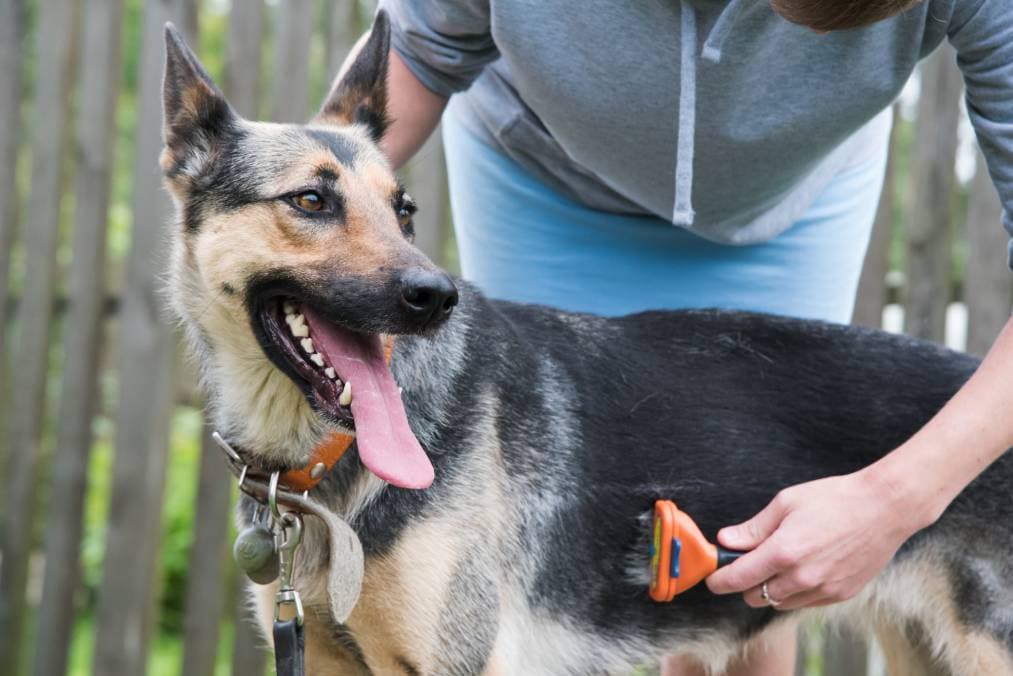
If your dog has a coat that's prone to mats and tangles, you must be willing to brush it at home at least a couple of times a week. The more maintenance brushing you can do at home, the fewer visits you'll need to make to your groomer.

4. Nail, Ear, and Eye Area Maintenance
While you may feel comfortable keeping up with maintenance brushings between your dog's visits to the groomer, many dog owners don't feel up to the task of dealing with their pup's nails, eyes, and ears. Hair grows between the toes and in the ears, and if it gets too long or matted, determining overall ear and nail health can be challenging.
Keeping up with regular nail trims is essential for several reasons. Overgrown nails are not only uncomfortable for your dog to walk on but can also get caught and tear or break, sometimes exposing the quick (the sensitive pinkish tissue inside the claw). This can be extremely painful, cause bleeding, and even lead to infections if not treated promptly.
Your dog's groomer will also detect and clean any gunk and build-up in your dog's ears. However, the structure of your dog's ear canal makes removing any material trapped deep inside challenging. If this material is excessive, a visit to the vet is needed because there’s a risk that it is caused by otitis (ear infection or inflammation).
Your dog's groom will also include a good inspection and cleaning around their eyes. Eye discharge can build up around the eyes and cause irritation. If your dog collects too much, it is also an indication for a vet appointment to rule out eye disease.
5. Less Shedding
Different breeds have different coat layers, lengths, and textures, and each will shed different amounts. For example, dogs with double coats will shed more because they also shed their undercoats.
Regular grooming will help keep shedding at bay. Regularly scheduled baths will loosen any dead hair from beneath your pup's coat while reducing the likelihood of your dog developing mats and tangles.

6. Parasite Detection
Your dog could have fleas or ticks without you even knowing it. Luckily, groomers are experts at finding external parasites. These pests are not only a nuisance for you as a homeowner and dog parent, but they can also be dangerous for your pup.
Fleas can cause incessant itching, which can lead to skin lesions and even infections. Additionally, fleas and ticks can transmit infectious diseases to dogs, such as tapeworms, Lyme disease, ehrlichiosis, babesiosis, and others.
7. Aesthetics
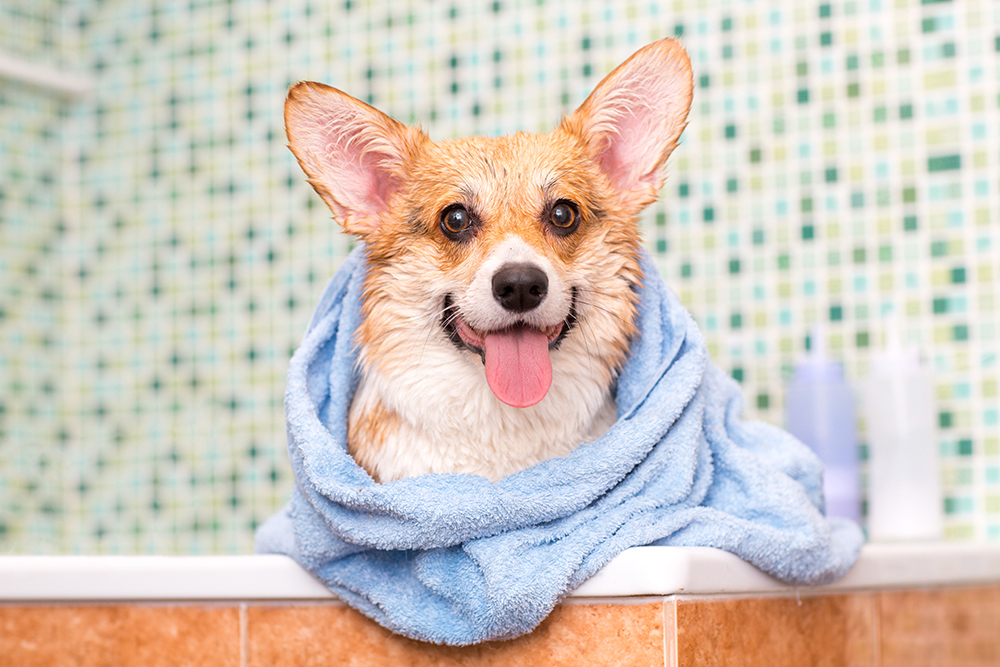
Perhaps the most instantly gratifying benefit of getting your dog groomed is that they will leave looking like a million bucks! As a dog owner, you know how quickly your pup can get dirty, so seeing them freshly bathed and blow-dried will feel like a special treat for both of you.


How Often Should My Dog See a Groomer?
The frequency of grooms will depend on several variables. Your dog's breed, coat length, coat type, lifestyle (e.g., how much time they spend outdoors), and the climate in which you live can all determine the frequency of grooming visits. The style of cut and how much maintenance you're willing to do between grooms can also affect how often your pup will need to see their groomer.
Generally speaking, most dogs with long fur may need to see the groomer every 4 to 6 weeks. However, short-haired breeds may only need to visit once every 8 to 12 weeks, or even less.
Final Thoughts
You should be making space for dog grooming in your budget if you do not have the time or know-how to tackle it on your own. While it can add up over the year, the costs will be more than worthwhile when you consider how much healthier your pup will be.
Related Read: Best Dog Grooming Hammocks
Sources
Featured Image Credit: hedgehog94, Shutterstock
Expert dog care, straight to your inbox
Vet-reviewed advice, training tips, and the best of Dogster. Free, and you can unsubscribe anytime.
By signing up, you agree to our Terms & Conditions and Privacy & Cookies Policy.
Chantelle is passionate about two things in her life – writing and animals. She grew up on the prairies of Canada surrounded by animals and as an adult, she choose to share her home with five cats, two guinea pigs, and a bearded dragon. Chantelle, her husband, and their child take great pride in being great animal parents- the ones who spend a thousand dollars on wall-mounted cat shelves so that their cats can have an indoor jungle gym all year round. When Chantelle isn’t snuggling her cats on the couch or taking pictures of them being funny, she’s outside exploring in the Rocky Mountains, binging the same shows on Netflix over and over, and reading about whatever random topic pops into her brain.
Join the conversation
Ask a question, share your story, or send private feedback.