

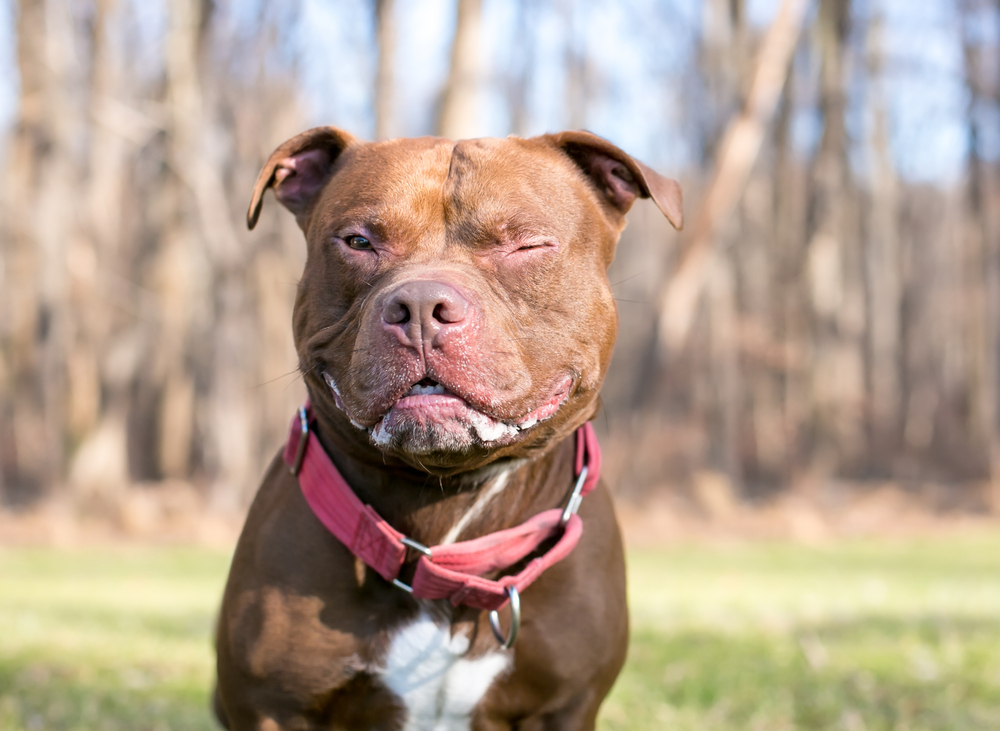
We think you’re so lucky to own a Pitbull! Unfortunately, these outgoing and loyal companions often struggle with skin problems. Is your Pitbull itchy? Do they have bald patches, also known as alopecia? Is their skin red and inflamed, indicating dermatitis?
You’re not alone in your struggles. While listing every possible skin complaint in one article is impossible, we have 10 plausible conditions and treatment advice for you.

The 10 Common Pitbull Skin Issues
1. Atopic Dermatitis
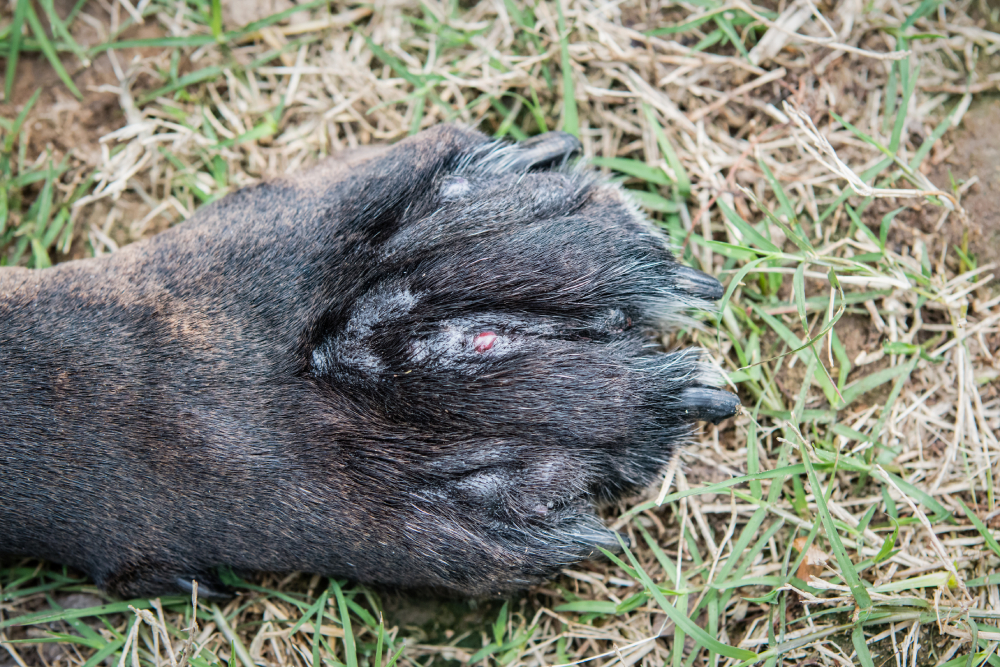
Atopic dermatitis is very common and is a type of allergy to airborne particles. Allergens are substances that can cause allergies, and in the case of atopic dermatitis, the allergen can be pollen, dust mites, molds, or mildew, for example.
Depending on the allergen, the allergy can occur seasonally or year-round. Atopic dermatitis is also a problem with the skin barrier. Think of these dogs as having “leaky” skin, which lets in the allergens. Atopy generally starts in young adulthood and affected dogs can be itchy all over, especially around the face, eyes, paws, and armpits.
Treatment: Medications are often needed to control itching and secondary infections. A specialist can perform allergy testing and immunotherapy to desensitize your dog to the allergens. Special diets or supplements are often helpful in reducing the severity of dermatitis.
For example, Royal Canin Veterinary Diet Adult Skin Support Dry Dog Food contains nutrients to promote a healthy skin barrier, as well as anti-inflammatory ingredients like omega-3 fatty acids and turmeric.
2. Food Allergies
Food allergies are a reaction to something your dog is eating. The most common food allergies are protein allergies to beef, chicken, lamb, eggs, dairy products, or soy. Aside from itchy skin and recurrent ear infections, food allergies can sometimes also cause vomiting and diarrhea.
To diagnose a food allergy, an elimination diet trial is performed. Essentially, the diet is restricted to a protein source that has been hydrolyzed or is unfamiliar to your dog to minimize the immune response. If there is an improvement in 8–12 weeks, a food allergy can be diagnosed. The elimination diet requires strict compliance from everyone around the dog. Any treats that do not comply with the diet will interfere with the results. Your veterinarian will then advise you on reintroducing foods to determine the cause of the allergy.
Treatment: Once you know what your dog is allergic to, avoiding foods and treats with those ingredients is relatively easy. You must check the ingredients list of any food, treat, or supplement you purchase to ensure it doesn’t trigger your dog’s food allergies.
Keep in mind that chewable tablet medications, like flea and tick products, can contain proteins that may trigger food allergies in some dogs.
3. Contact Allergies
Contact allergies are reactions to things your dog’s skin comes into contact with. A typical example is a grass allergy that causes dermatitis on the hairless abdomen, armpits, and between the paw pads. Materials like wool, synthetics, other plants, and chemicals can cause contact dermatitis.
Finding the source of the allergy can take some time. If you think your dog has a contact allergy, be observant about what triggers their signs. Veterinary dermatologists can also perform allergy testing to determine what triggers your dog’s dermatitis.
Treatment: The best way to treat contact allergies is to avoid the allergens responsible for the problem, but that is not always known or possible. Minor irritations can be treated with a soothing shampoo.
Colloidal oatmeal is good for inflamed skin. In more severe cases, your vet may prescribe creams or medication to soothe the irritation when it flares up. Some over-the-counter antihistamines are safe for dogs, but they aren’t always very effective.
If you are looking for the perfect, pet-friendly shampoo and conditioner combo, we highly recommend the products by Hepper. With a soothing oatmeal shampoo, free of soaps and other harsh chemicals, and a cucumber and aloe scented conditioner, your pet's skin and coat will be smooth, hydrated, and irritation-free. At Dogster, we’ve admired Hepper for many years, and decided to take a controlling ownership interest so that we could benefit from the outstanding products of this cool pet company!
Image
Product
Details

Hepper Oatmeal Pet Shampoo
Check Price

Hepper Pet Conditioner
Check Price
4. Parasites
Parasites like fleas and mites can infect the skin and cause itching, scabbing, inflammation, and secondary infections. Fleas are visible to the naked eye. They love to infest the base of the tail, so if you’re looking for fleas on your dog, part the hair in this area, and you may see them crawling on the skin.
You might also see little black dots that look like dirt. This “flea dirt” is the droppings from the fleas. Mites are microscopic creatures and generally need to be diagnosed by a veterinarian who can perform a skin scrape test. Mites will cause hair loss, infections, and dermatitis.
Treatment: Fortunately, parasites can be prevented and killed by flea and tick medication. Flea prevention will kill fleas that jump on your dog, but for a complete resolution of the infestation, you should treat every animal in the home for fleas and take steps to decontaminate the environment, as there will be a lot of eggs in the carpet, bedding, and floorboards. Your vet can recommend off-label treatments for mites.
If you need to speak with a vet but can't get to one, head over to PangoVet. It's our online service where you can talk to a vet online and get the advice you need for your pet — all at an affordable price!
5. Infections
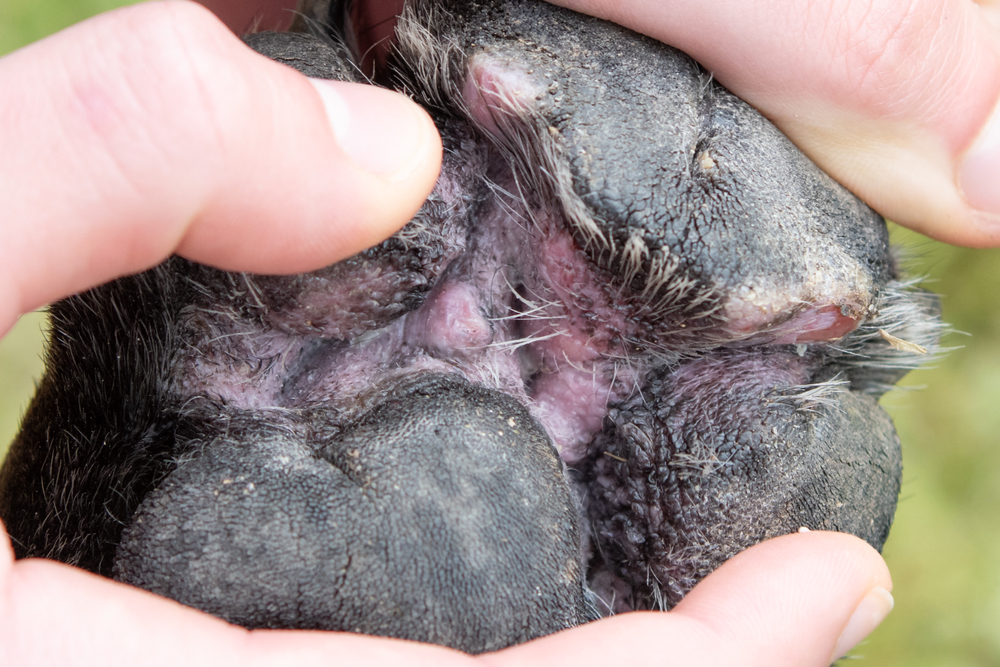
Bacteria, yeast, and other fungi often infect the skin and can cause itching. Bacterial and yeast infections are commonly secondary to other problems, such as allergies or excessive licking of the skin.
Yeast infections can cause a black discharge from the skin, especially in nail beds and between the paw pads. Bacterial infections may cause inflammation, scabs, crusting, and discharge. Ringworm is a contagious fungal infection that can be spread between dogs, cats, horses, and humans.
Young or immunosuppressed animals are more prone to getting ringworms. It causes classic circular patches of hair loss.
Treatment: Topical medicated shampoos containing antibacterial and antifungal ingredients, such as Malaseb Shampoo, can help clear infections. You should use these as directed on the label for the best results, and remember that more than one wash will usually be needed to clear the infection.
You should discuss possible underlying causes of infection with your veterinarian, who can also discuss long-term treatment options if necessary.
6. Follicular Dysplasia
Follicular dysplasias are a type of hair follicle disorder that leads to hair loss. These diseases are usually based on your dog’s genetics and coat color. For example, blue or fawn Pitbulls can have color dilution alopecia.
The affected hairs are weak and prone to breaking and infection and eventually stop growing, leading to baldness. Black hair follicular dysplasia is also fairly common. In this condition, black areas of the coat start to lose hair by the time puppies are 4 weeks old.
Treatment: Washing with a medicated shampoo can help prevent secondary infections if present. The disease has no cure, but once the hair stops growing, it doesn’t harm the skin, and the problem is purely cosmetic. Retinoids and melatonin have been used experimentally in some dogs to promote hair growth with mixed success.
7. Hypothyroidism

Hypothyroidism is common among Pitbulls and most often occurs as the thyroid gland is destroyed or atrophied. A lack of thyroid hormones causes excessive weight gain, lethargy, increased thirst, and exercise intolerance. It also has a fairly marked impact on the hair coat, and dogs with hypothyroidism may have dry skin, skin infections, increased shedding, hair that doesn’t grow back after being clipped, alopecia, and increased skin pigmentation. Thyroid hormone tests performed by your vet are needed to diagnose your dog with hypothyroidism.
Treatment: Medication to replace your dog’s thyroid hormones will ease the signs of hypothyroidism. This medication needs to be lifelong, and your dog will require frequent blood tests to ensure they are getting the correct dose of medication.
8. Zinc Responsive Dermatosis
Zinc is needed for many body functions, including healthy skin and hair. A zinc deficiency can lead to signs like frequent infections, hair loss, cracked noses and paw pads, and thickened and crusty skin.
Zinc deficiency can be caused by supplements that interfere with zinc absorption or a lack of zinc in dog food, which is common in home-cooked and poor-quality diets. In rare cases, genetic defects can prevent zinc absorption from the intestines.
Treatment: The first step is to ensure your dog eats high-quality, nutritionally balanced dog food. Remove any supplements with plant-based antioxidants or calcium from your dog’s diet, as they will interfere with zinc absorption. In some cases, zinc supplements may also be needed.
9. Sebaceous Adenitis

Sebaceous adenitis occurs when the immune system attacks the skin’s sebaceous glands. This occurs most often in young to middle-aged adult dogs. It can lead to a dull coat, alopecia, tufts of matted hair, dry, scaly skin, and skin infections. In Pitbulls, this skin problem will usually occur on the head, ears, and torso. It is diagnosed through a skin biopsy.
Treatment: Topical treatments to soothe the skin and prevent infection can be helpful. Davis Sulfur Benz Dog & Cat Shampoo contains antibacterial and moisturizing agents and reduces the greasiness of the skin in dogs with sebaceous adenitis.
Following up with a coat conditioner will help keep the moisture in. Your vet will prescribe medications to reduce your dog’s immune response to the sebaceous glands. Nutritional supplements like vitamin A, niacinamide, or omega fatty acids can be helpful. Treatment is generally lifelong to keep the signs under control.
10. Cushing’s Disease
Cushing’s disease is not only a skin problem but can lead to a thinning hair coat, skin infections, and even firm calcium deposits in the skin. Pitbulls with Cushing’s disease produce too much of the hormone cortisol. Other signs of Cushing’s disease include a ravenous appetite, increased thirst, urinating more than usual, panting, and a pot-belly appearance.
This condition occurs most often in middle-aged to older dogs and is caused by an underlying issue with either the pituitary or adrenal glands.
Treatment: Special blood tests are needed to look for and diagnose Cushing’s disease. Depending on your dog’s circumstances, your vet may also recommend ultrasound, CT, or MRI imaging.
There are medical and surgical treatments available for Cushing’s disease. While surgery is expensive, it can potentially cure your dog. Medical treatments generally keep the signs of Cushing’s disease under control. The best approach is decided on a case-by-case basis and is something your vet will discuss with you.
Final Thoughts
Your Pitbull’s age, traits, environment, and signs will help determine the likely causes of their skin issues. Some conditions, like allergies and infections, make your dog itchy, while others cause hair loss.
Some are mostly cosmetic, while others can impact your dog’s health and lifespan. You will need to take your dog to the vet for an accurate diagnosis and complete treatment plan. Even the more simple cases will have better results with a treatment plan tailored to your dog.
- You might also be interested in: Why Does My Dog Have Scabs on Their Back? 6 Vet-Verified Reasons
Featured Image Credit: Mary Swift, Shutterstock
 The 10 Common Pitbull Skin Issues






















2 Responses
I want to feed my dog a raw diet. I have tried several. I just read the arrival on vitals and I am thinking about trying it. My dog dies have some allergies not identified and joint issues. Do you think a raw diet would be good for her? Pit mix 36 lbs. currently taking medication for allergies and pain medication for recent knee and ligament surgery.
Hello Carol,
thank you very much for reaching out to us and for your questions. We would love to help you and answer your questions, however, since your questions are health-related and rather specific, they will be better talked through with a veterinarian. We would like to recommend you booking a video-call consultation with one of the veterinarians from www.PangoVet.com. They will be happy to consult your dog's diet in relation to their medical conditions.
Hope this helps.