In this article
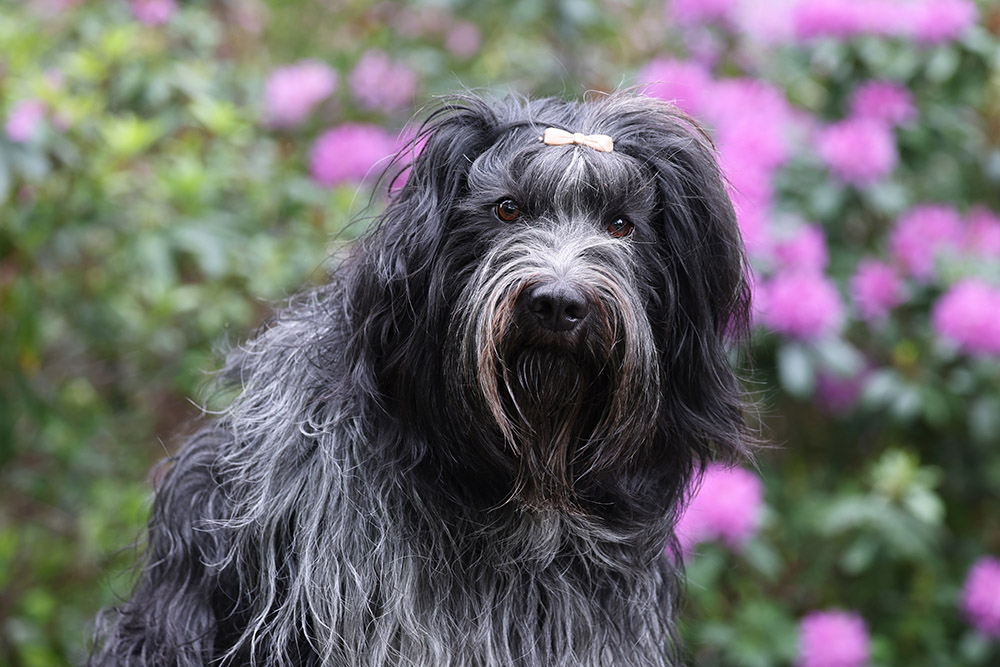
View 8 More +What isn’t there to love about the Schapendoes? As a little-known herder from the Netherlands, this shaggy-coated breed is an exceptional family dog almost guaranteed to please owners from all walks of life.
They’re intelligent and trainable without being testy, loyal without being aggressive, and playful without becoming rowdy, a near-perfect blend of desirable qualities. Find out why this fun and friendly breed deserves recognition as we dive into the Schapendoes’s care, traits, and temperament.
Breed Overview
Height:
16–20 inches
Weight:
26–55 pounds
Lifespan:
12–15 years
Colors:
Beige, black, black & white, brown, chocolate & white, gray, gray & white, tri-colored, white
Suitable for:
Active families, owners with other pets, first-time dog owners
Temperament:
Friendly, loyal, watchful, bright, playful, upbeat, entertaining, lively, trainable, courageous
Also called the Dutch Sheepdog, the Schapendoes is a medium-sized herding dog hailing from Holland. The breed is related to several long-haired European herding dogs, including the Puli, Bearded Collie, Nizinny, Bobtail, and Bergamasco.
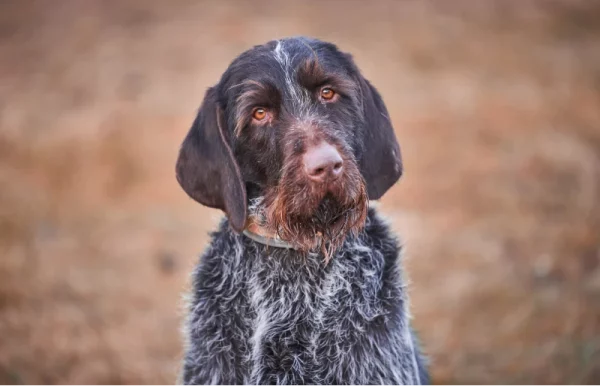
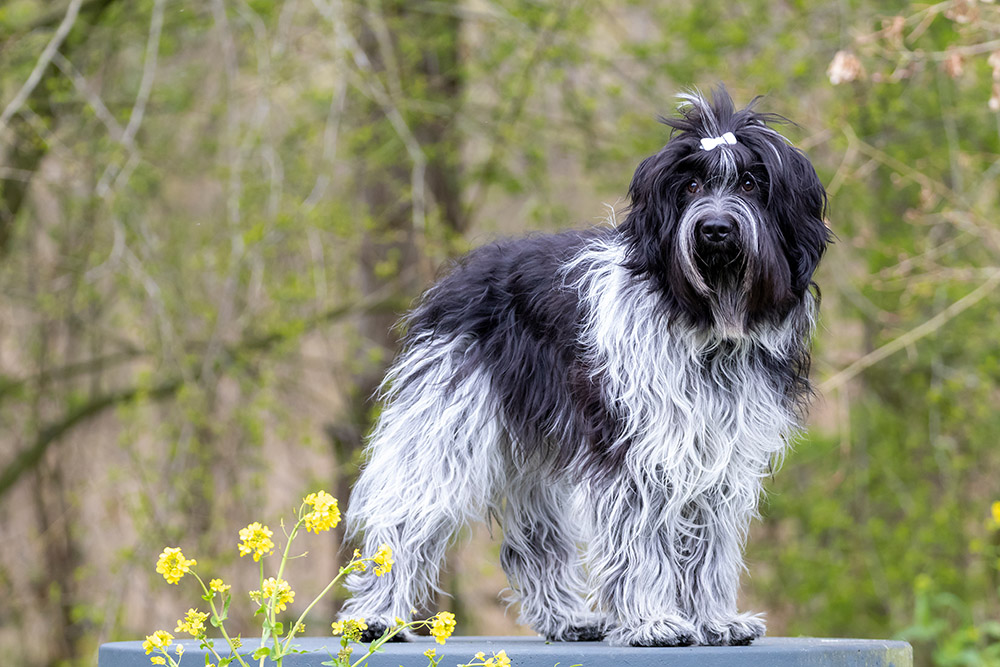
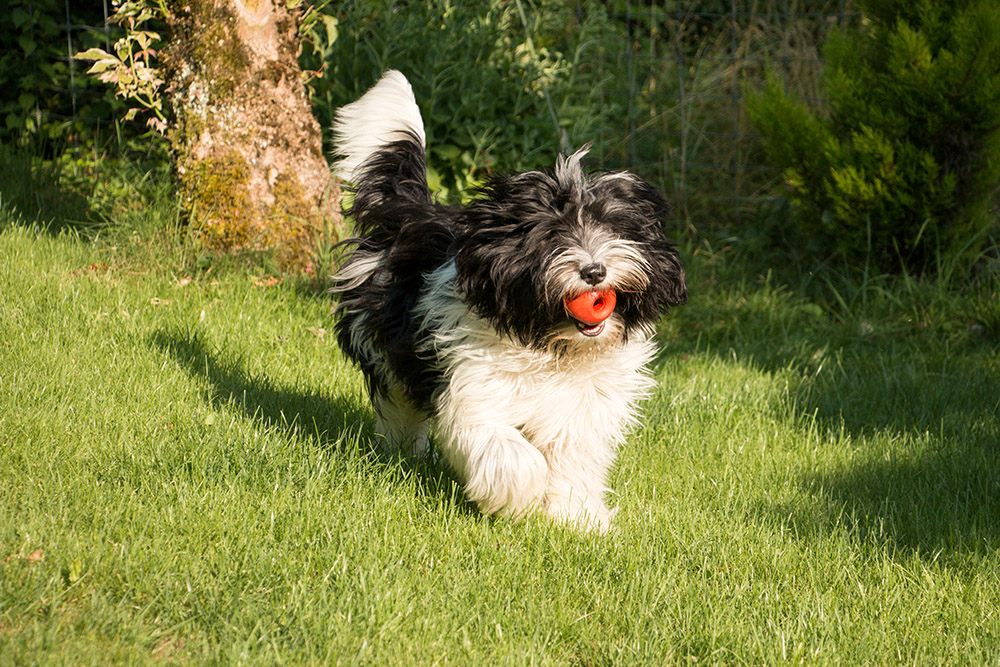
A happy, sweet face hides behind a full beard and mustache, while a shaggy coat makes the Schapendoes seem bulkier than they are. Schapendoezen are fine-boned herders built for agility, speed, and stamina. They’re always upbeat and eager to put a smile on your face and try to impress you with their wits and athleticism.
Schapendoes Characteristics

Schapendoes Puppies
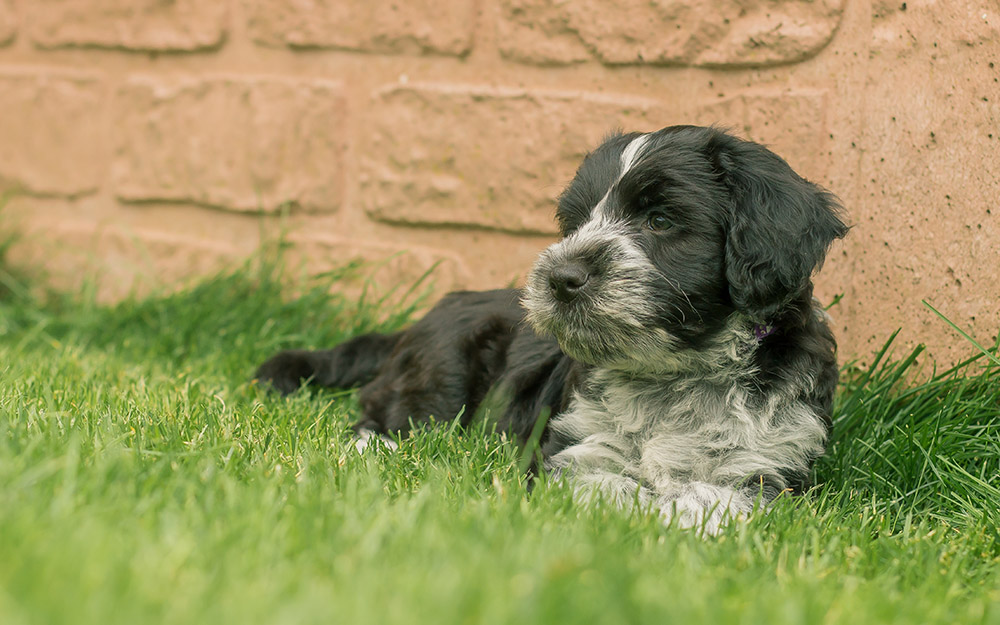
Schapendoes puppies are vibrant, curious, and ready to learn. You can begin training and socializing your dog when they get home, exposing them to new experiences, people, and animals to help them develop into outgoing adults.
Grooming early and often is also essential to create a comfortable association with it. One of the most crucial periods in adolescence occurs at 8–12 months when the adult coat comes in. Puppies need daily brushing and combing at this point to remove recurring mats and tangles.
Finding Schapendoes puppies is more challenging than raising them. The breed is part of the AKC’s Foundation Stock Service and has no established national breed club in America. If you find a breeder, you’ll likely have to travel a long distance and sit on a waitlist. Many owners import their pups from Canada or Europe.
Vetting breeders is crucial, and you’ll want to spend quality time with the breed to see if they’re a good fit. Reputable breeders are forthcoming and willing to work with you.
They’ll perform comprehensive health testing, show you their kennels, and ask plenty of questions about your lifestyle, taking time to find which dogs, if any, will have the most success in your home.
Schapendoes Origin & History
Dutch commoners raised shaggy-coated sheepdogs for centuries, but the Schapendoes’s known history is relatively recent. The upper class had little use for the athletic herders and largely omitted them from popular art, literature, and anything that may have served as a record.
In the early 20th century, the dogs fell out of favor as farmers shifted towards imported English Border Collies. Following WWII, the interest re-emerged with P.M.C. Toepoel, a Dutch publicist. Toepoel rallied enthusiasts to preserve and rebuild the breed from scant WWII survivors. A breed club was founded in 1947, and a standard was established in 1954.

Temperament & Intelligence of the Schapendoes 🧠
The Schapendoes is a classic herding dog. They’re an intelligent, biddable, and sometimes stubborn and independent-thinking breed. Harnessing and directing their active minds in positive directions takes a devoted, patient, and firm leader.
Owners adore the Schapendoes for their high-spirited and outgoing personalities. Though they can occasionally be wary of strangers, they are neither a cowardly nor an aggressive breed. They welcome newcomers and, when socialized, show them immediate warmth and attention.
Despite not making good guard dogs, Schapendoezen can make serviceable watchdogs, as they aren’t shy about alerting you to people coming to the house.
Are These Dogs Good for Families? 🏠
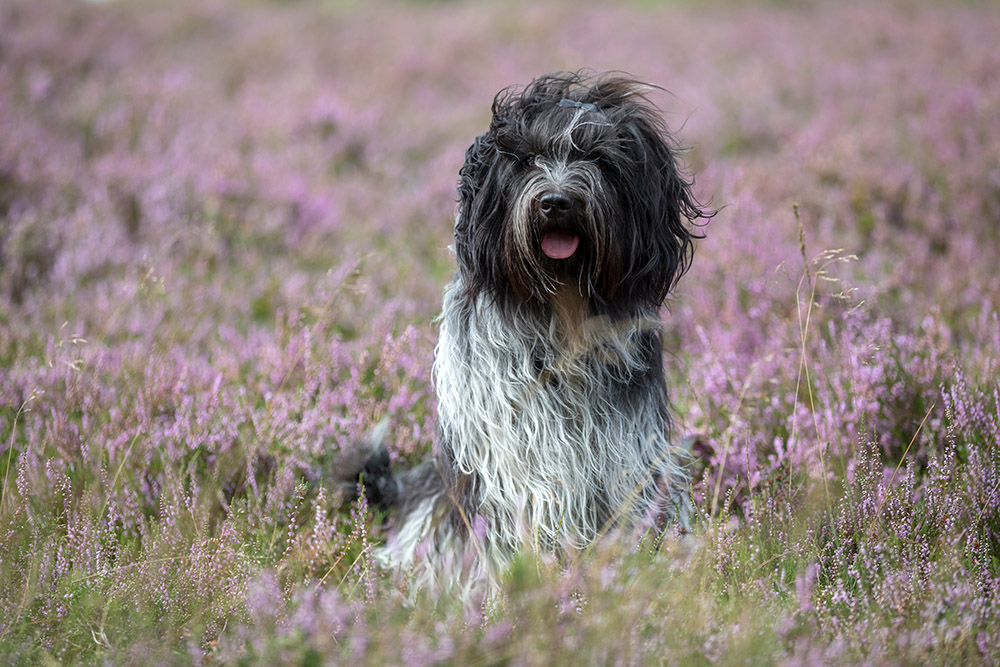
The Schapendoes thrives with a loving family who can provide ongoing entertainment. They’re loyal and affectionate and want to stay close to their people. They love to play and are generally wise enough to be gentle when needed.
The primary concern is with small children. While these dogs are reasonably tolerant, children must learn proper handling and playtime manners. Plus, the herding tendency still runs strong in many Schapendoes puppies, so you must monitor and manage it as needed.
Does This Breed Get Along With Other Pets? 🐶 😽
A Schapendoes makes a lovely companion for other dogs in the home, and they’ll enjoy a partner who can share their playfulness and curiosity. Sporting a relatively low prey drive, they’re also good with cats and other small animals.
Of course, you can’t simply put them in a room with another pet and expect them to get along every time. Introduce your pets slowly in a supervised environment to help them build positive associations with one another.

Things to Know When Owning a Schapendoes
Owning a Schapendoes can be surprisingly easy if you give them time and attention. They’re an active breed needing adequate daily exercise, enrichment, and training. When they get it, they’re exceptional students with incredible potential and a keen focus on learning and pleasing their owners.
Without it, their independence will make obedience a chore, and you’ll see your dog frequently choosing to do things their way. Attention isn’t only crucial from an obedience standpoint. The Schapendoes is a family-first breed and won’t always take well to extended time alone.
Mental stimulation alongside crate training and a consistent routine are a few ways to keep your dog calm and collected when they’re by themselves. Generally, if you can provide ample activity that tests their endurance, makes them think, and gives them a goal, they’ll be happy, quiet, and well-behaved.
Food & Diet Requirements 🦴
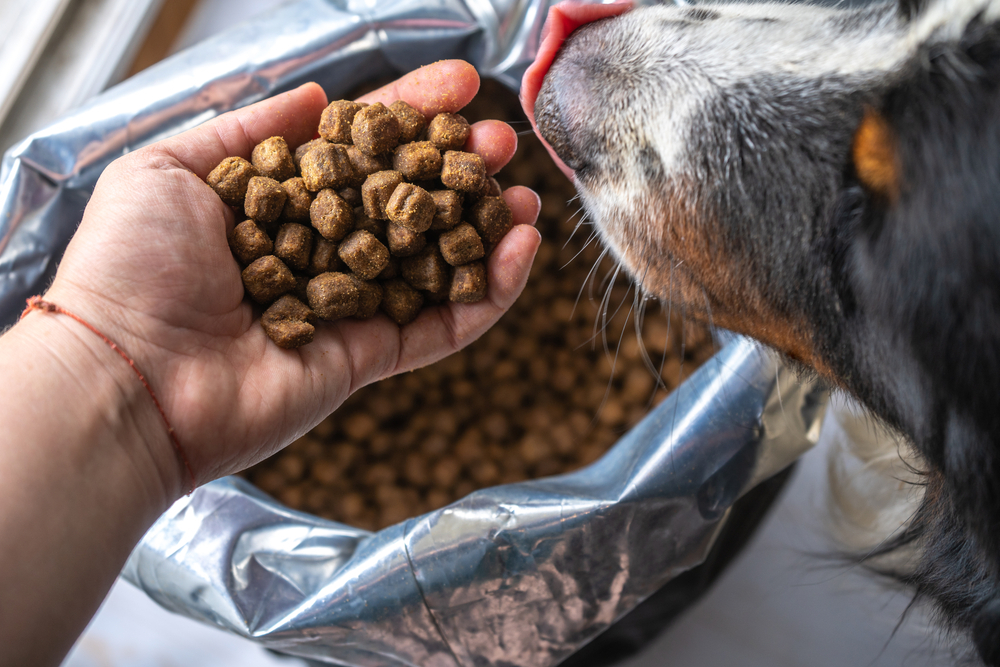
Schapendoezen require a high-protein diet of healthy fats, vitamins, and minerals to power their bodies and maintain their long coats. Stick with an age-appropriate formula to manage their development, and they won’t have any breed-specific nutrition needs.
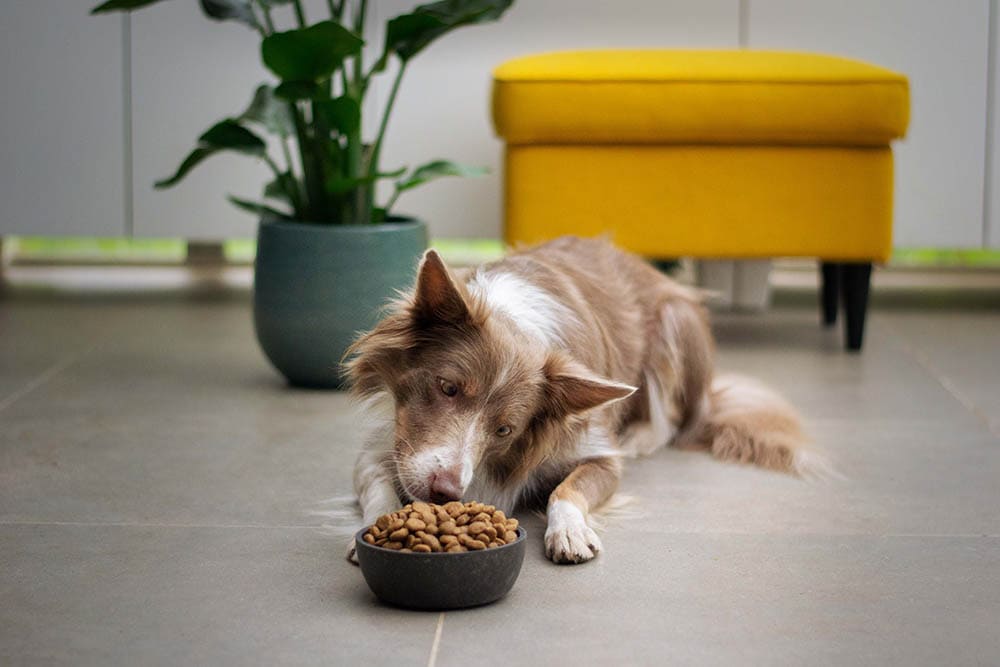
Puppies generally eat more frequently during the day to keep their energy up. An adult Schapendoes will consume up to 3 cups of dry food daily between two meals. Monitoring your dog’s daily intake and exercise habits and discussing their nutrition with your vet will prevent unnecessary weight gain.
Exercise 🐕
A Schapendoes should get at least an hour of exercise daily. A few long walks and playtime in a fenced-in yard are generally sufficient. Hiking, jogging, and other more intense exercises are equally suitable.
As they’re social and well-behaved, they can thrive in urban settings, including apartments, if you can provide a suitable workout environment. Dog parks are perfect since they provide a safe, enclosed area where they can socialize and play with friends.
Training 🦮
The Schapendoes is an intelligent, highly trainable dog that will learn quickly and eagerly with the proper approach. However, they’re herders who can be independent and unhappy with repetition.
Diverse training opportunities that challenge them mentally and physically are ideal. Schapendoezen love having jobs and excel in competitive arenas like agility, obedience, rally, and herding. Engaging your dog in these activities at events and at home offers excellent bonding experiences that will keep your dog calm and cooperative.
Grooming ✂️
The weather-resistant and surprisingly low-shedding coat doesn’t create as many grooming challenges as it might seem in an adult Schapendoes. Weekly brushing and combing are essential in removing tangles and debris, but the hair doesn’t need cutting.
At most, their paws may need to be trimmed to shorten the hair between the toes. Their low-odor coats are relatively clean and only need bathing once every month or so. The most critical grooming periods occur in adolescence.
Puppies must get used to the grooming routine and experience it as a fun activity if you want them to make life easier for you when they’re adults. At around 8–12 months, they’ll need daily brushing as the receding puppy coat intermingles with the emerging adult coat, creating more mats and tangles to manage.
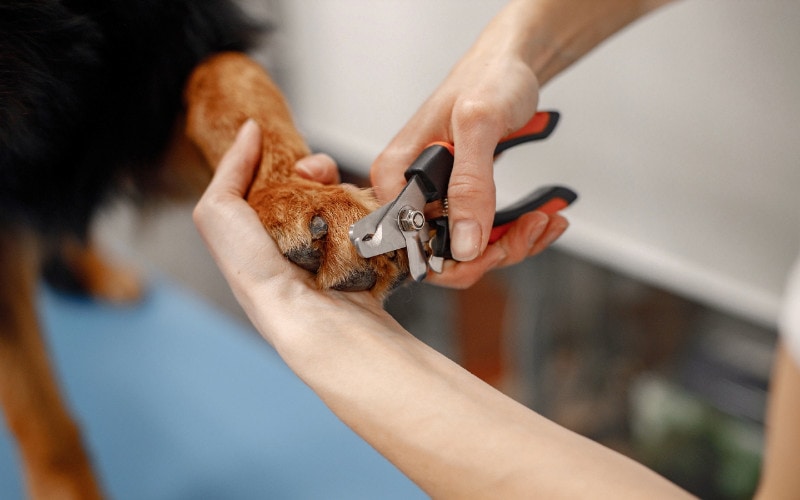
Teeth-brushing every 1–2 days and nail-clipping every 3–4 weeks are essential in the routine. The Schapendoes’s ears require more attention due to the feathering that can trap dirt, moisture, and wax. Regular checks and cleanings will help prevent infections, and the hair may need plucking at the vet’s if it becomes overgrown.
Health and Conditions ❤️
The Schapendoes is a long-living and healthy dog with few health issues. The breed is susceptible to some renal disorders, including developing urate uroliths and patent ductus arteriosus (PDA), the most common congenital heart defect in dogs.
Progressive retinal atrophy frequently appears in the breed, underscoring the need for complete health screenings from the breeder.
- PRA
- Obesity
- Ear infections
- PDA
- Degenerative myelopathy
- Chondrodystrophy and intervertebral disc disease
- Hyperuricosuria

Male vs Female
Male Schapendoezen are typically taller and much heavier than females. They’re naturally relaxed and calm with other dogs, so same-sex aggression isn’t as problematic as many other breeds. Their temperament is relatively similar between the two sexes.
3 Little-Known Facts About the Schapendoes
1. The Schapendoes Isn’t a Nipper
One of the prevailing concerns with herding breeds around children and small animals is the tendency to nip. Collies, Cattle Dogs, and many others snap lightly at the heels of livestock to direct them, a habit that may pop up in the home as family members run around. Though generally harmless, most owners want to eliminate the behavior while training their puppies.
In the Schapendoes’s case, herding was less about nipping and more about nudging and pushing to get their flock to move. Like many dogs, they still nip occasionally to initiate play, but they might be less prone than other herders to use their mouths to herd around the home.
2. The Tail’s Carriage Is a Crucial Point in the Standard
The long, feathery tail is perhaps the Schapendoes’s second-most noticeable characteristic after the shaggy coat. Their carriage is a defining trait, which changes according to the dog’s movement and position.
The tail hangs when at rest and swings while held high as the dog trots. At full gallop, it stretches straight, turning into a rudder when the dog jumps into the air.
3. The Schapendoes Is Adaptable
From city to country, apartments to palatial estates, the Schapendoes can call any place “home.” They are highly versatile dogs that can fit in seamlessly in any setting if you can offer adequate exercise.
Fortunately, their activity demands aren’t intense, and they aren’t big barkers. They’ll thrive around close neighbors and in limited spaces. And despite their fluffy bodies, they can handle warm weather. The insulating coat is ideal in cooler climates, but it works equally well to protect against the heat.

Final Thoughts
The more you learn, the more there is to love about the Schapendoes. They’re adaptable dogs focused on making those around them happy through their joyous, playful personalities or affinity and aptitude for training. As a rare breed worth anyone’s attention, this charming family dog can be a prized addition to the household for those lucky enough to find them.
Featured Image Credit: Edwin Butter, Shutterstock