In this article
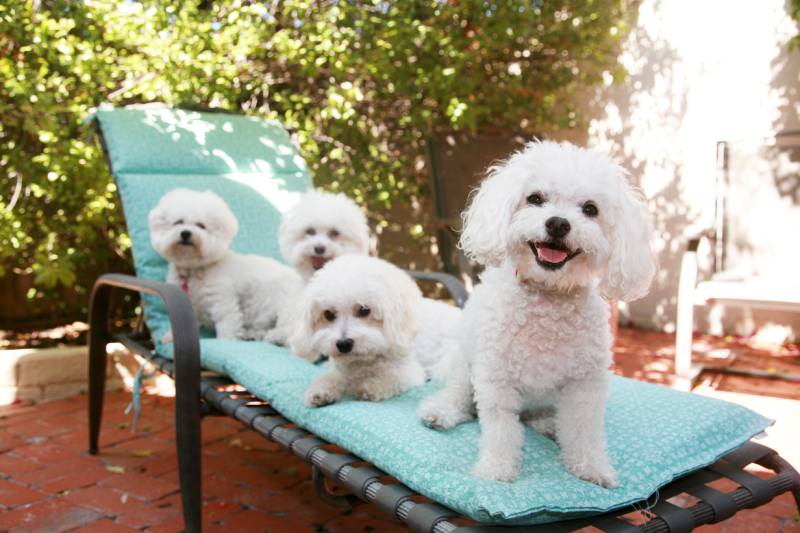
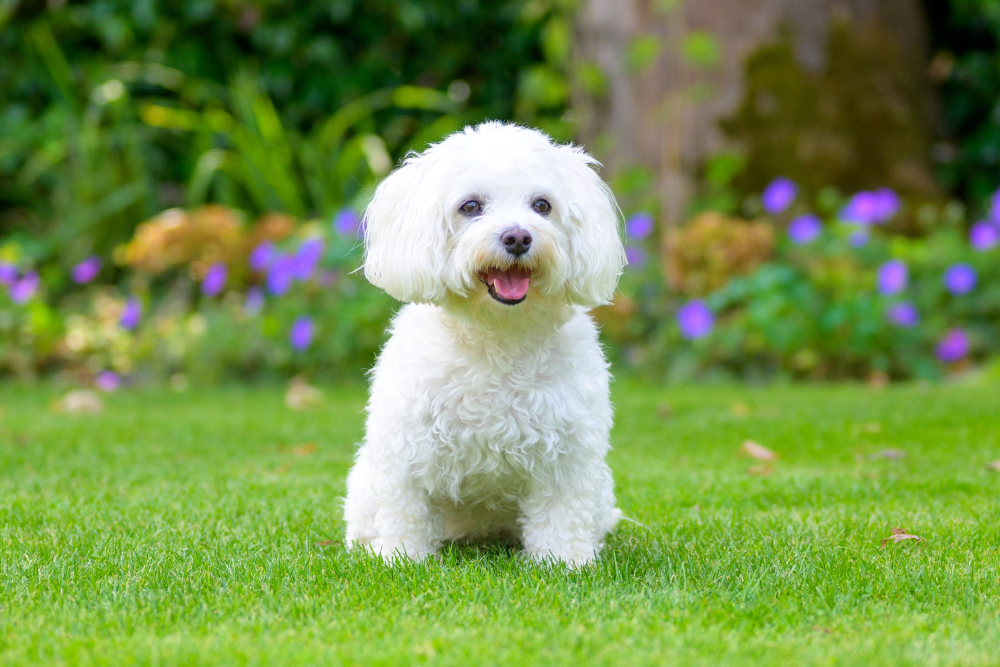
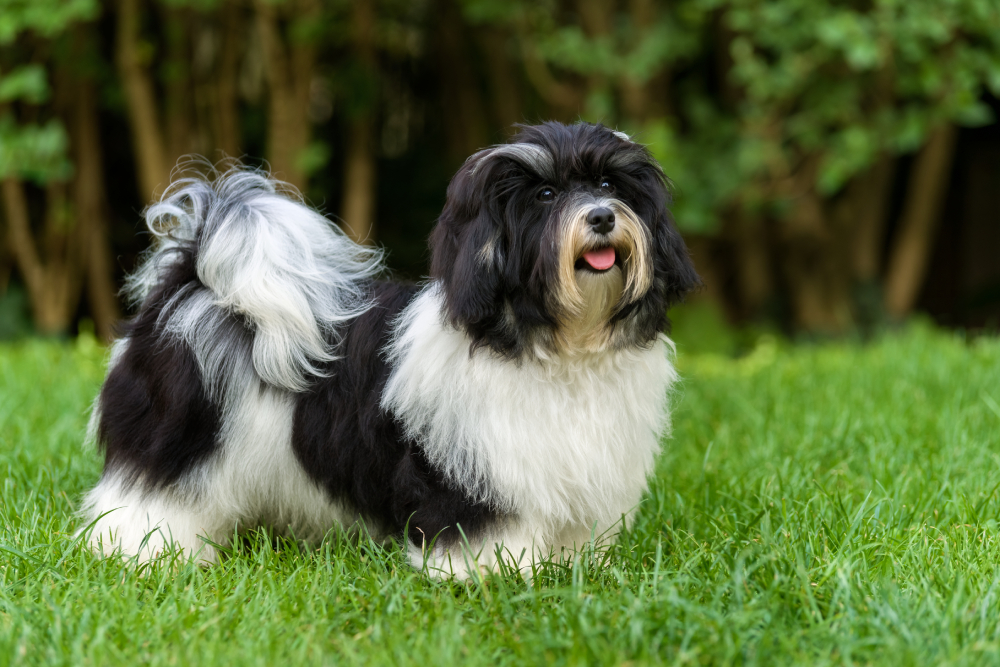
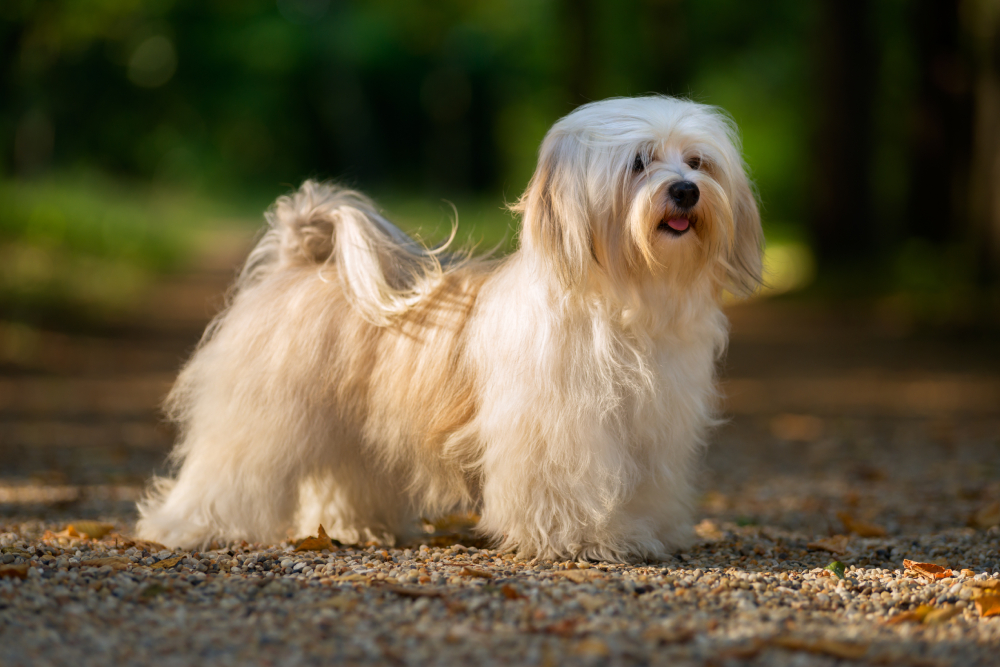
View 8 More +The Havanese dog breed is fun, intelligent, and full of energy. With personality galore, they’re gentle, loving, social butterflies who adore companionship. Havanese dogs have gorgeous, long, silky coats, cute curling tails, winning personalities, and tiny but sturdy little bodies.
Breed Overview
Height:
8.5–11.5 inches
Weight:
7-13 pounds
Lifespan:
14–16 years
Colors:
Several, including white, black, chocolate, cream, fawn, gold, red, black and silver, and silver (with various markings)
Suitable for:
Apartment dwellers and families looking for devoted, smart, funny companions
Temperament:
Fun, smart, social, super trainable, and companionable
Havanese dogs belong to the same family as Bolognese, Maltese, and Bichon Frise dogs. They’re likely descended from the Barbichon dogs living around the Mediterranean, which are distantly related to Poodles.
The American Kennel Club (AKC) recognized the Havanese in 1996. They were the 25th most popular breed in 2022, according to the AKC’s numbers.
Havanese Characteristics

Havanese Puppies
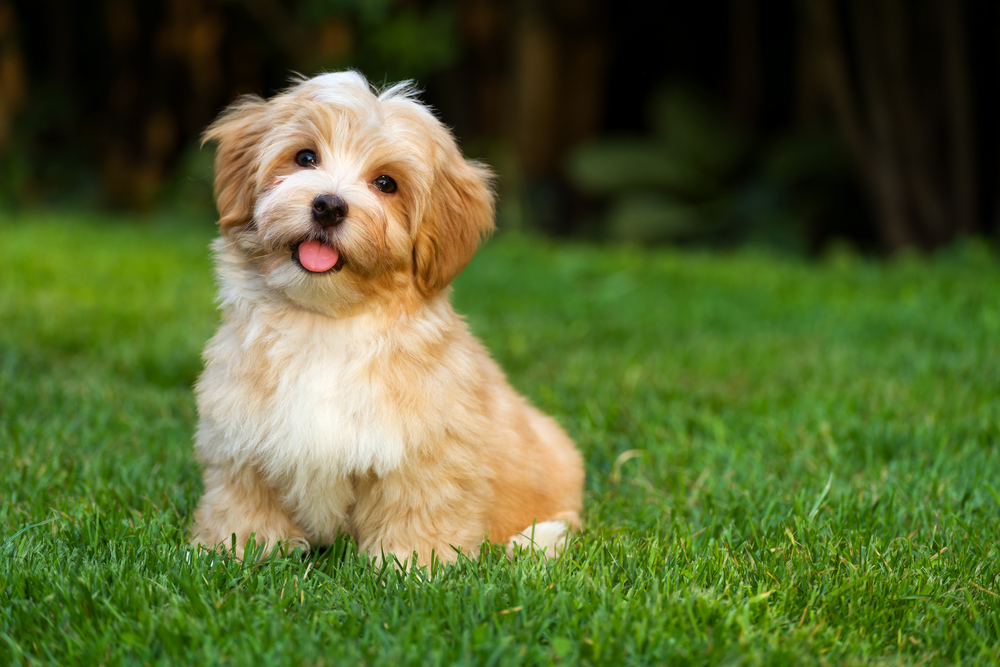
Purebred Havanese puppies can be hard to find in shelters, but adult dogs are sometimes available through breed rescue organizations. Adopting older dogs comes with benefits; they’re usually house-trained and often have less energy than puppies.
Organizations such as the American Kennel Club and the Havanese Club of America are reliable resources with lots of helpful information, including recommended health testing.
While Havanese dogs are typically gentle and sociable, they can be a bit reserved around people and animals they don’t know and are prone to barking. Early socialization of Havanese puppies helps them feel comfortable when meeting new people and pets. Getting started with obedience training while they’re still young is the easiest way to prevent barking from becoming an issue.
Havanese puppies can start learning simple commands such as “sit” and “stay” as soon as they come home, which can give them a leg up when it’s time to start puppy classes.
Havanese Origin & History
The Havanese dog breed is originally from Cuba, where their ancestors most likely arrived in the 1600s, courtesy of Spanish colonizers or Italian seafarers. The lively dogs were popular among the island’s social elite and differed significantly from the working dogs favored by the working class. The breed was refined with Poodle crosses, which helped them develop into the dogs they are today.
They were particularly popular in Havana, hence the name. Havanese dogs arrived in the United States in the days following the Cuban Revolution.
Temperament & Intelligence of the Havanese
Havanese dogs are fun and full of life. They’re also incredibly smart and usually easy to train. They develop deep bonds with their people and frequently follow their favorites around.
Havanese dogs are prone to developing separation anxiety when they’re left to fend for themselves for too long. They’re most comfortable in homes that have companions to hang out with.
They’re generally pretty good watchdogs who’re happy to keep an eye on their family. Excessive barking can be a problem with Havanese dogs, but you can reduce it with training.
Are These Dogs Good for Families?👪
Havanese dogs usually fit right in with families, particularly when they have solid early socialization training that helps them learn how to behave in different situations, such as around kids.
They’re excellent companions for children due to their lively nature and comical antics, but they should be supervised when interacting with infants.
Does This Breed Get Along With Other Pets?🐶 😽
Havanese dogs are loving, gentle, and sociable, and they generally get along well with other dogs. However, due to their size, it’s best for them to be paired with small dogs that aren’t aggressive.
They get along better with cats that they’ve grown up with, but with adequate training, they can learn to accept new roommates.
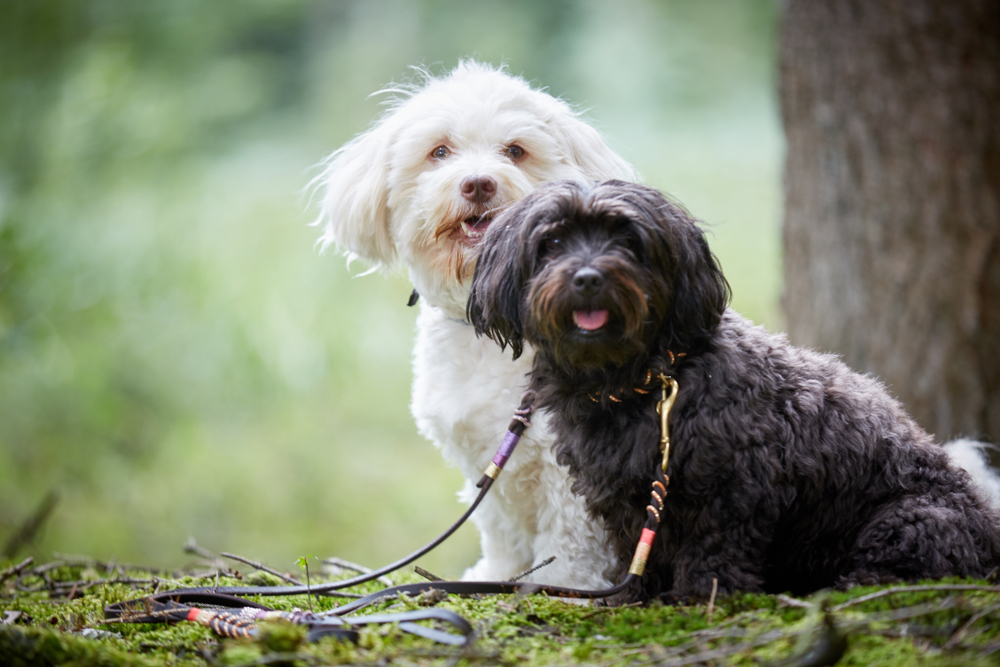
Things to Know When Owning a Havanese Dog
Havanese dogs make remarkable pets, but before you adopt one, you can read more about what it takes to care for them.
Food & Diet Requirements 🦴
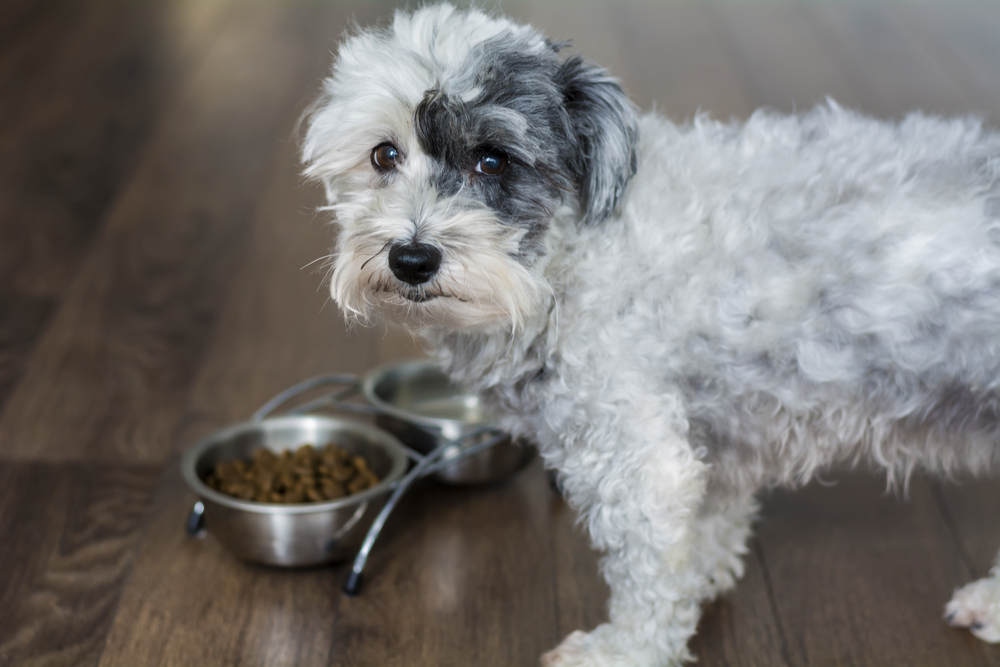
Havanese dogs don’t have any special nutritional requirements and generally do fine as long as they’re eating high-quality, balanced diets. Formulas that display the Association of American Feed Control Officials’ statements of nutrition adequacy provide dogs with the protein, vitamins, and minerals they need to thrive.
Smaller dogs benefit from small-breed diets designed for their life stage. For instance, puppies should eat puppy formulas, and seniors should eat senior recipes. Puppies usually need to eat several times daily to get all the nutrients they need to grow strong and healthy.
Adult dogs are fine with two or three daily meals. It’s helpful to portion your dog’s meals with a measuring cup to ensure they don’t gain weight due to overconsumption.
Exercise 🐕
Havanese dogs are pretty easy to keep happy on the exercise front. They don’t need more than 30 minutes of daily exercise, and they don’t need a large home to run around.
They’re playful dogs but also enjoy their downtime. They’re content to play with their owners and then relax on the couch for a few hours. Unlike other small pups, they’re not clingy and are capable of spending time alone without getting stressed.
Training 🎾
Havanese dogs are intelligent and eager to please their owners, so they’re not too challenging to train. They usually love learning when it’s disguised as a game and pick commands up incredibly quickly with reward-based positive training.
Treats and praise are essential when training your Havanese, but keep in mind that treats should be limited to about 10% of their diet to keep them from gaining too much weight.
Early socialization is important for all dogs to ensure they learn how to behave in situations they’re likely to encounter in the future, such as when meeting new people and dogs. Good early training can minimize their barking tendencies.
Grooming ✂️
Havanese dogs require daily brushing to ensure their coats stay free of mats and tangles, but it mustn’t be a complicated affair. Most enjoy being brushed, and it’s a great bonding activity.
Regular trips to the groomer for trims can keep them looking good and make it easier to maintain their coats at home. Short, adorable puppy cuts are popular options, and some owners prefer styling their pets with “corded” cuts.
They also require regular eye and ear checks and cleaning. Their facial hair requires special trimming to ensure it stays out of their eyes. Removing wax and debris can help keep ear infections at bay.
Like all dogs, Havanese pups need regular nail trims, and their teeth must be regularly brushed. Dental hygiene is incredibly important with Havanese dogs since they’re vulnerable to dental disease.
Health and Conditions 🏥
Havanese dogs are quite healthy, but they’re susceptible to a few health conditions, including Legg-Calve-Perthes disease, progressive retinal atrophy, patellar luxation, and dental disease. Eye problems and chondrodysplasia are also relatively common.
- Patellar Luxation
- Dental Disease
- Eye Conditions
- Chondrodysplasia
- Legg-Calve-Perthes Disease
- Progressive Retinal Atrophy
Male vs Female
Male Havanese dogs generally stand a bit taller and weigh more than female dogs. Some sources suggest that male Havanese dogs are more active and fun, and females are sometimes described as independent and protective.
Their sex makes little difference in behavior regarding Havanese dogs who have been spayed or neutered, and their upbringing and environment have more influence over their temperament.
3 Little-Known Facts About the Havanese
1. They’re Cuba’s National Dogs
The Havanese is considered the only native canine species on the island. Cuba is the largest island in the Caribbean, and until the 20th century, most Havanese dogs were only owned by wealthy planters and aristocrats.
2. Havanese Dogs Have Been Referred to By Several Names
Havanese dogs have gone by several names over the years, including Havana Silk Dogs and Spanish Silk Poodles. There’s a separate modern Havana Silk breed, which the AKC hasn’t recognized.
3. They Have Several Famous Fans
Havanese dogs have long been popular among the rich and famous. Well-known fans over the years have included Queen Victoria, Joan Rivers, Earnest Hemingway, Charles Dickens, and Venus Williams.
Final Thoughts
Havanese dogs are sweet, smart, lively, and loving and can make fantastic companions. They’re incredibly social and form tight bonds with their owners. They make excellent apartment dogs due to their size and moderate activity needs, and early training can keep them from engaging in problematic barking.
While they require regular brushing, many enjoy the activity and look forward to grooming. Good dental hygiene is vital because they’re prone to developing tooth and gum problems.
Featured Image Credit: michaelheim, Shutterstock