How to Train a Maltipoo: 9 Vet-Approved Tips

In this article
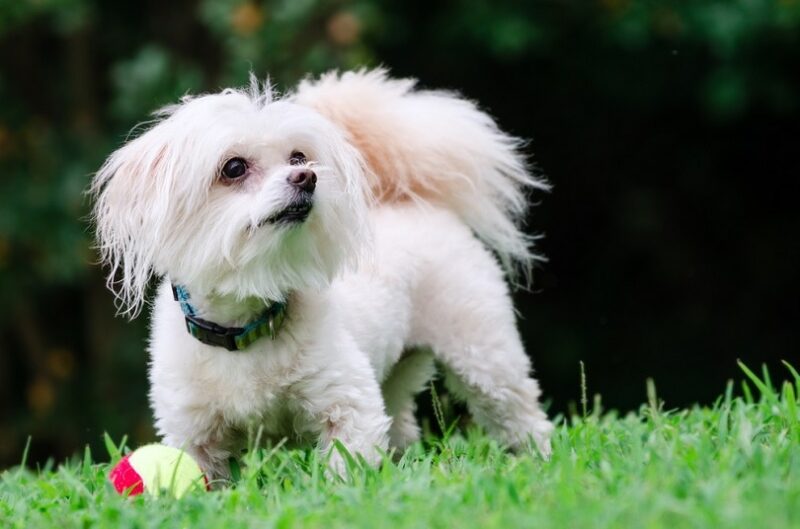
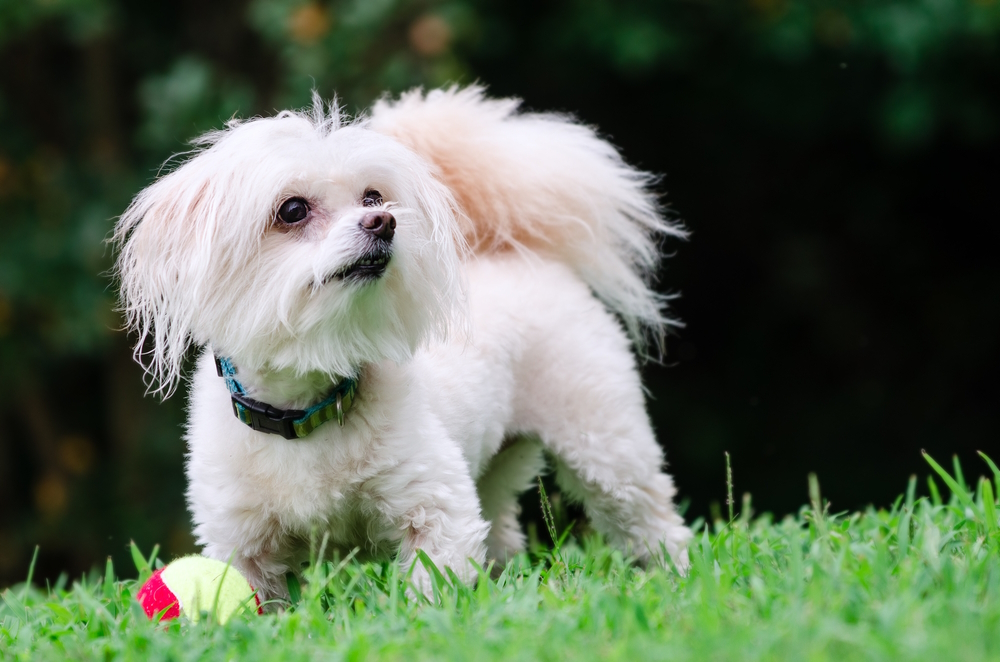
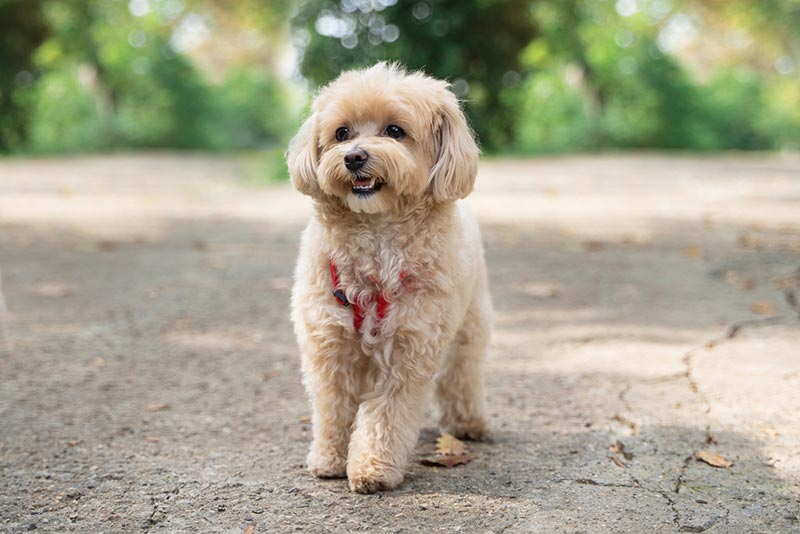
Maltipoos are a cute combination of a Poodle and a Maltese, and they are sweet, playful, and highly intelligent. Not only are Maltipoos easy to love, but they are easy to train.
Training your Maltipoos from a young age will set the foundation for them to grow into confident adults. From the moment you bring them home, training can begin.
Training may seem overwhelming, and while all Maltipoos will respond differently, these tips will help you train your dog and set them up for success.

Before You Start
You should begin house and basic obedience training immediately even if your puppy is less than 3 months old. When a dog is 3 or 4 months old, they have long enough focus and concentration to begin learning command combinations. There are several aspects of training which are important for a puppy: house training, obedience training, and socialization.
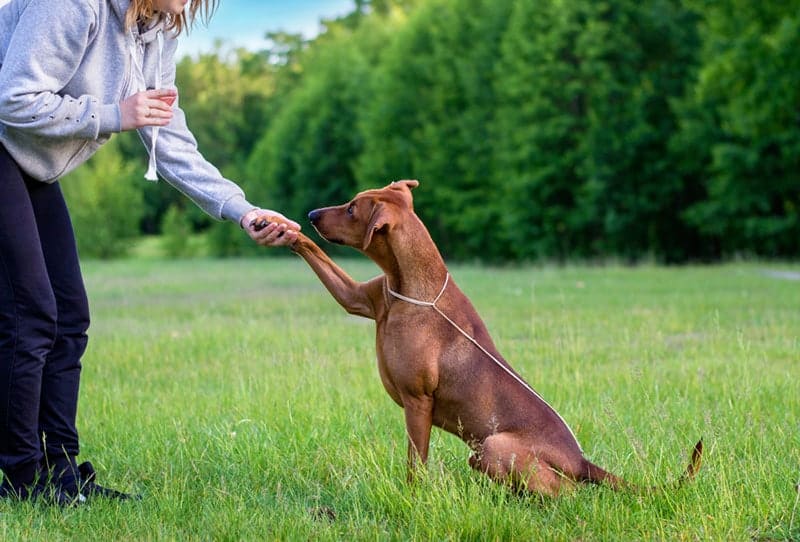
Every dog should be familiar with a few basic commands to make training a smooth process. The basic commands are sit, stay, and come.
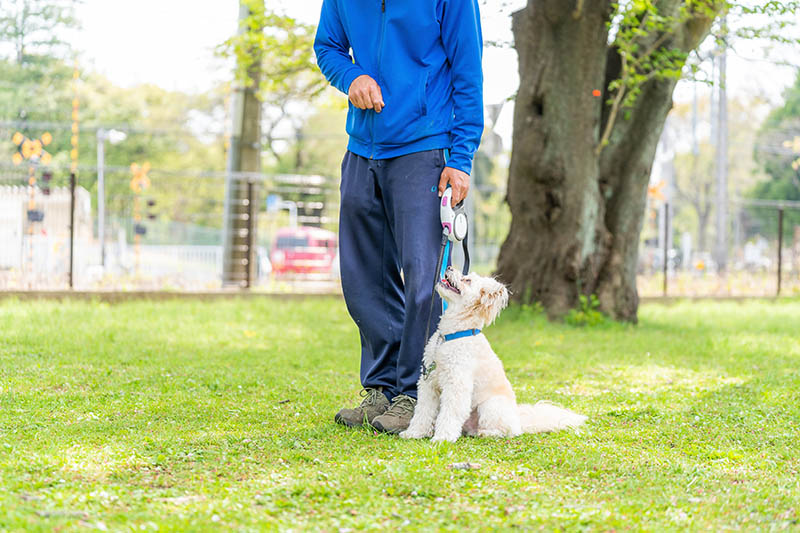
Before beginning the training, you will need your dog’s favorite treats and a collar and leash.


How to Train a Maltipoo
1. Be Consistent
Consistency when training is imperative since dogs require it to learn and acquire new habits. When training your Maltipoo, you expect it to be consistent and learn to perform the same action or behavior on command, so you must also be consistent. There needs to be consistency in how you train and which commands you use, and every family member must be on the same wavelength.

2. Focus on One Issue at a Time
While a minor behavioral issue may appear insignificant initially, it tends to grow over time if not appropriately addressed. Your dog must understand and thrive on basic commands to be trained in more complex tasks. For example, if your dog cannot sit when you attach the leash, you cannot expect them to sit and wait for their walk by the door.
If you do not properly teach one command or task that leads to the next, you and your dog will lose patience, interest, and energy, making training more difficult.
3. Challenge your Maltipoo
Maltipoos are intelligent little dogs, and you must keep them entertained. If your Maltipoo is not mentally stimulated, it can lead to chronic boredom, which can cause unwanted behavior such as excessive barking, destructive behavior, and depression.
Learning new tricks is also a great boredom buster, and your Maltipoo will love it. Furthermore, it’s an excellent way for you to bond. Mentally stimulating activities include a game of fetch or an obstacle course.

4. Use Positive Reinforcement
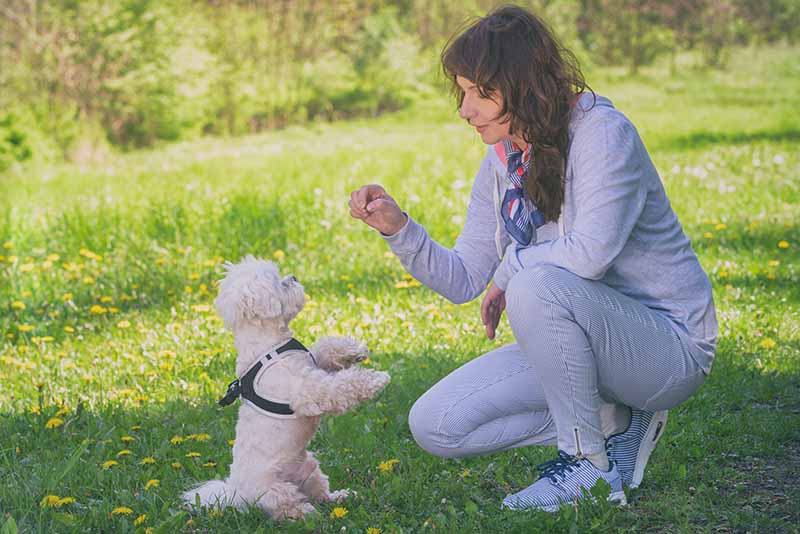
Positive reinforcement is a scientifically supported training method. When you use positive reinforcement in training, you reward your pet with their favorite treat to encourage wanted behavior. It is best to use goodies that your dog wouldn’t otherwise get, but it could be something as simple as a piece of kibble or as decadent as a small piece of chicken breast. However, some dogs are not encouraged by food, in which case you could use their favorite toy.
Positive reinforcement also includes praise and petting, and punishment is avoided. Punishment could include shocking collars, harsh corrections, and dominant handling techniques. These methods could lead to fear and anxiety in your dog as it grows older.
5. Keep Training Sessions Short
It’s easy to get so caught up in training your Maltipoo that time passes, and your dog loses all motivation. They can get bored, which inhibits progression and results in a frustrated owner and a tired dog. When training a basic command or task, keep the sessions short. Aim for several 5–10-minute short sessions for an average of 15–30 minutes a day. Puppies have short attention spans, so your main goal should be to finish the session on a high note, so they will be excited and motivated for the next one.

6. Avoid Demands You Won’t Follow Through On
Dogs are intelligent, and like children, they will catch on when they can get away with something. If you are rushing or tired after a long day, it can result in you having very little patience or motivation and wanting to give up early if your dog is not responding to a command. Patience is always a key factor with training, so take the extra time to follow through.
7. Practice in Different Environments
If you plan to visit different places with your Maltipoo, train it in various locations. The familiarity is gone when they are exposed to a new site with new sights, sounds, smells, and faces. If you visit a new place, such as a beach or park, you will get a different response than you would at home.
Training your Maltipoo in different environments will increase their confidence and set you both up for fun adventures.

8. Make It Fun
Training should be a fun task for both you and your dog. It is an excellent opportunity for you to bond as well. Stay positive and patient, and try to mix it up by incorporating fun games. If you have had a long enough training session, turn it into a play session for you and your dog.
9. Be Patient
If your Maltipoo is still young, remember they are still growing and learning, and their attention span will be short-lived. They won’t always understand what you require of them and may make mistakes. Some days are also better than others, and if your Maltipoo nails a command one day, but doesn’t the next, remain patient and do not allow your training to get to the point of frustration. A consistent routine will help your pup feel secure and confident and create an ideal environment for learning.

Basic Training Timeline
Knowing when to train your puppy for certain commands and tasks is one of the keys to successful training. Starting young is always best but not always possible, and that’s okay.
7–8 Weeks Old
This is an ideal time to train your Maltipoo basic commands such as sit and come. You can also get your puppy used to being touched by gently rubbing their paws and ears. This will help them with future vet visits and nail trims.

8–10 Weeks Old
Potty training and crate training can be introduced at this tender age, keeping in mind that your puppy will need a lot of breaks and patience as they develop their bladder control. This is a good age to teach your puppy that their crate is a safe environment. You can lead your puppy to their crate without closing the door, and then reward them when they are inside. Feeding your pup inside their crate can also help create a positive association.
It is also a good age to start leash training indoors. You can put on the collar or harness for short amounts of time while rewarding them with treats.
10–12 Weeks Old
You will start to notice that at this age, your puppy is teething and prone to destroying things with their mouth, and if you leave shoes next to your bed, they may fall victim to a mouthy puppy. It's important at this time to teach them that your hands and ankles are not to be bitten, so start redirecting them with a toy.
12–16 Weeks Old
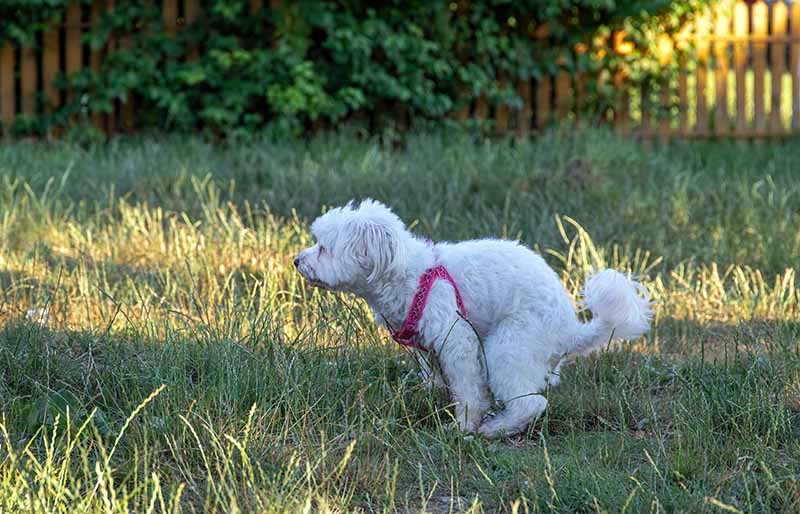
Potty training should be more established and consistent at this age as they are now old enough to control their bladder. It's important to get a routine going; after meals and first thing in the morning and before bed are ideal times to take them out. Don’t forget to have their treat on hand to reward them when they go to the bathroom outside.

6 Months Old
This age for a dog is like adolescence and can be the most difficult time for training; that’s why it is important to start young. This is also when you will strengthen their training and socialize them in more distracting places.
Conclusion
It's best to start training your Maltipoo as young as possible, especially because it becomes harder as they get older. Consistency, patience, and positive reinforcement are vital for success.
You and your Maltipoo will have good and bad days, but it's important to stay patient and read your dog's cues. Keep sessions short and try to make them fun to keep both you and your pup interested while strengthening your bond.
Featured Image Credit: Tadogami, Shutterstock
Expert dog care, straight to your inbox
Vet-reviewed advice, training tips, and the best of Dogster. Free, and you can unsubscribe anytime.
By signing up, you agree to our Terms & Conditions and Privacy & Cookies Policy.
Nicole has loved animals of all sizes her whole life so it's no wonder she has dedicated her career to helping them through what she loves best: learning, writing, and sharing knowledge with others. She’s the proud mom of two dogs, a cat, and a human. With a degree in Education and 15+ years of writing experience, Nicole wants to help pet parents and pets around the planet to live happy, safe, and healthy lives.
Join the conversation
Ask a question, share your story, or send private feedback.