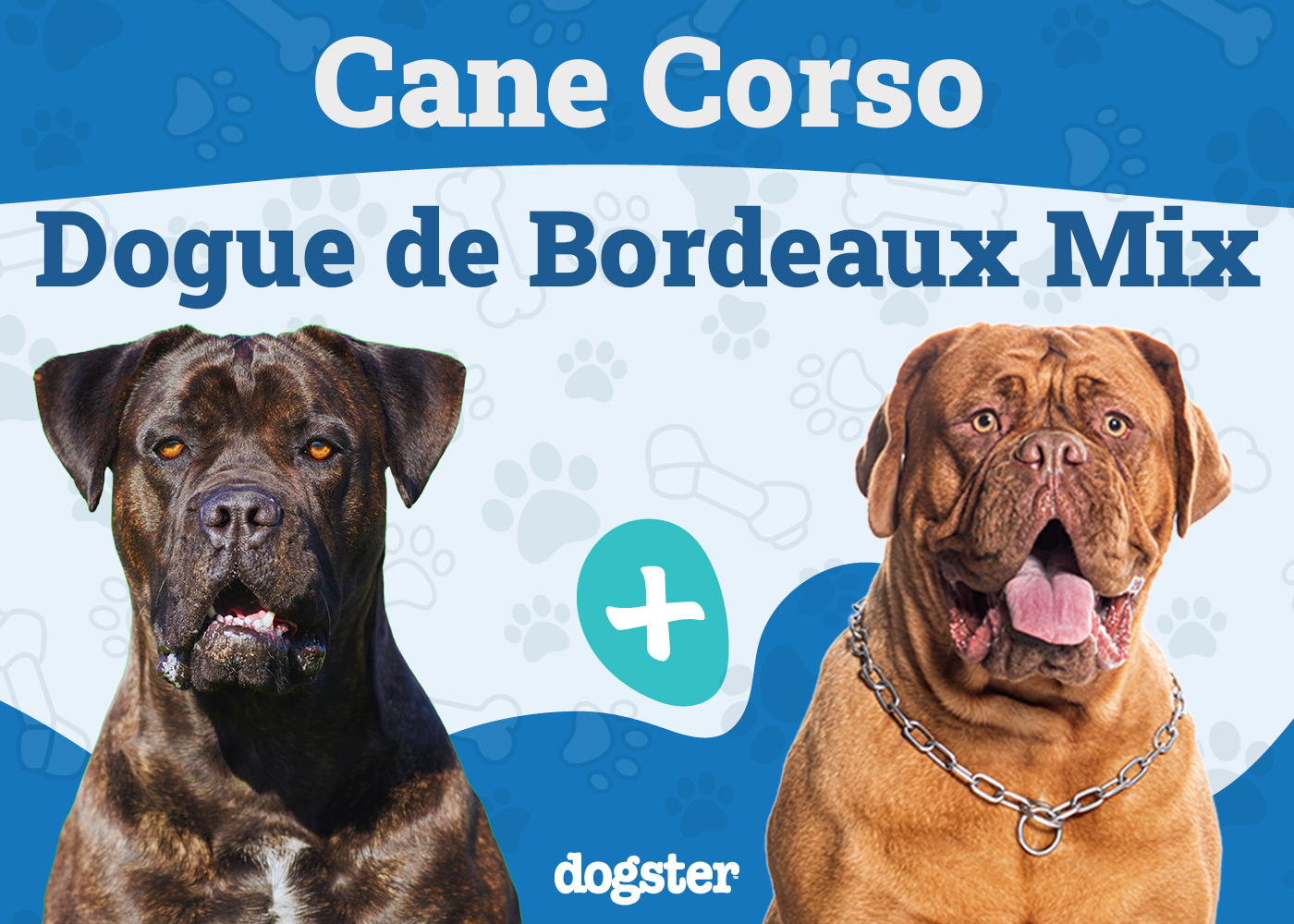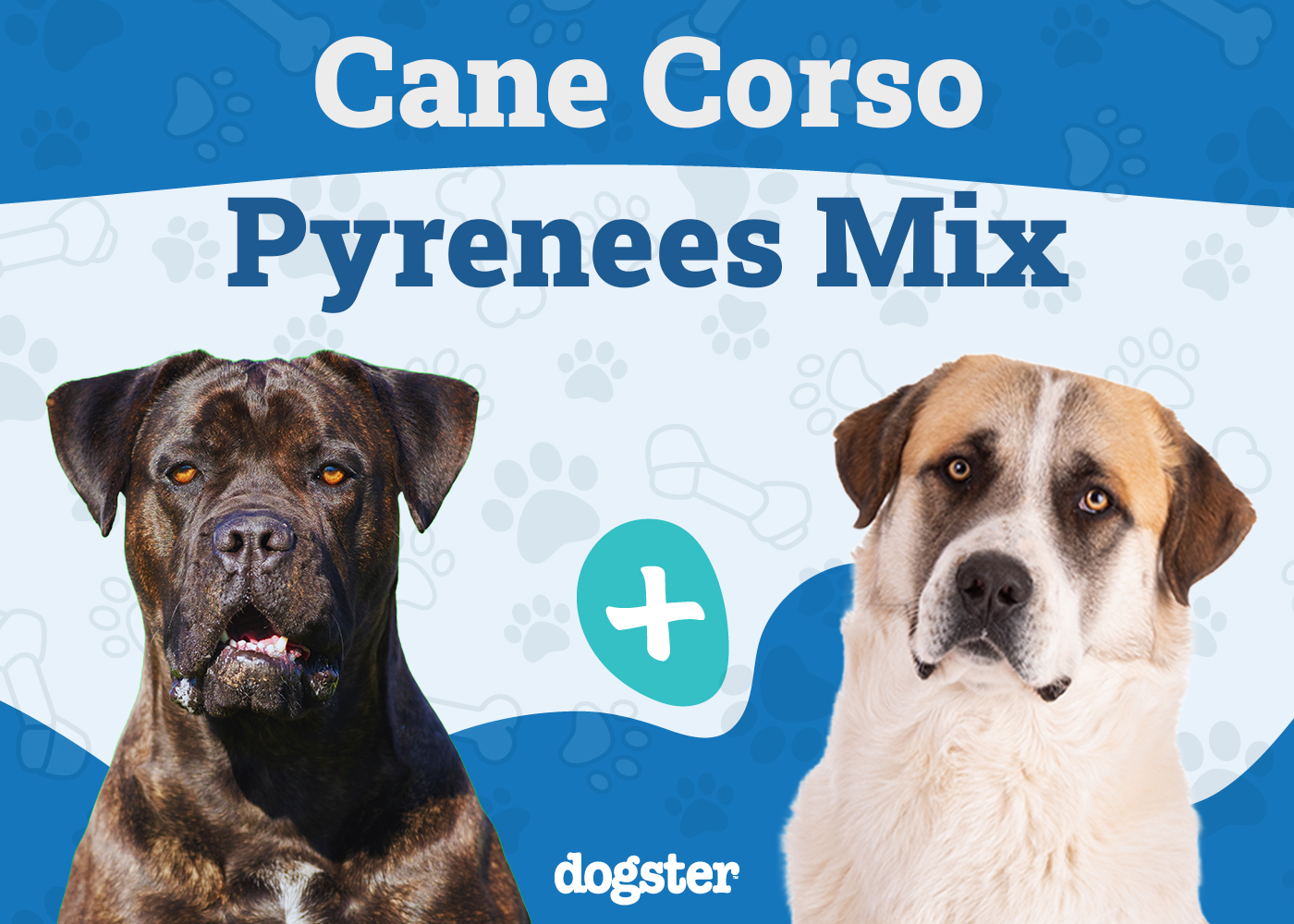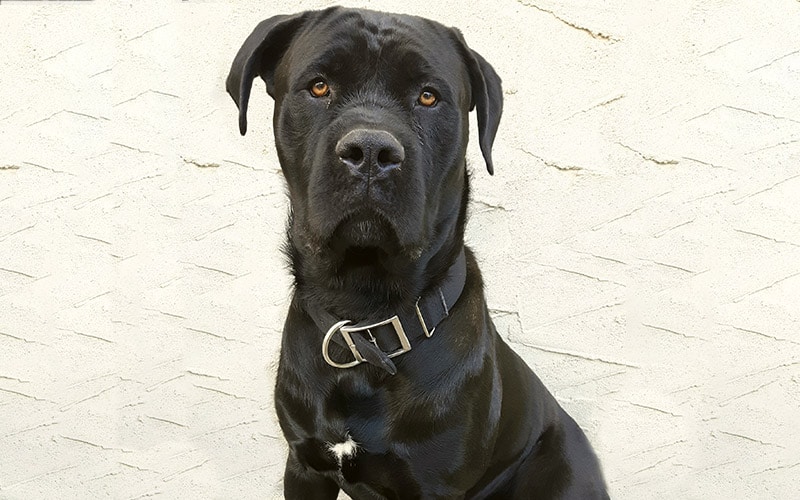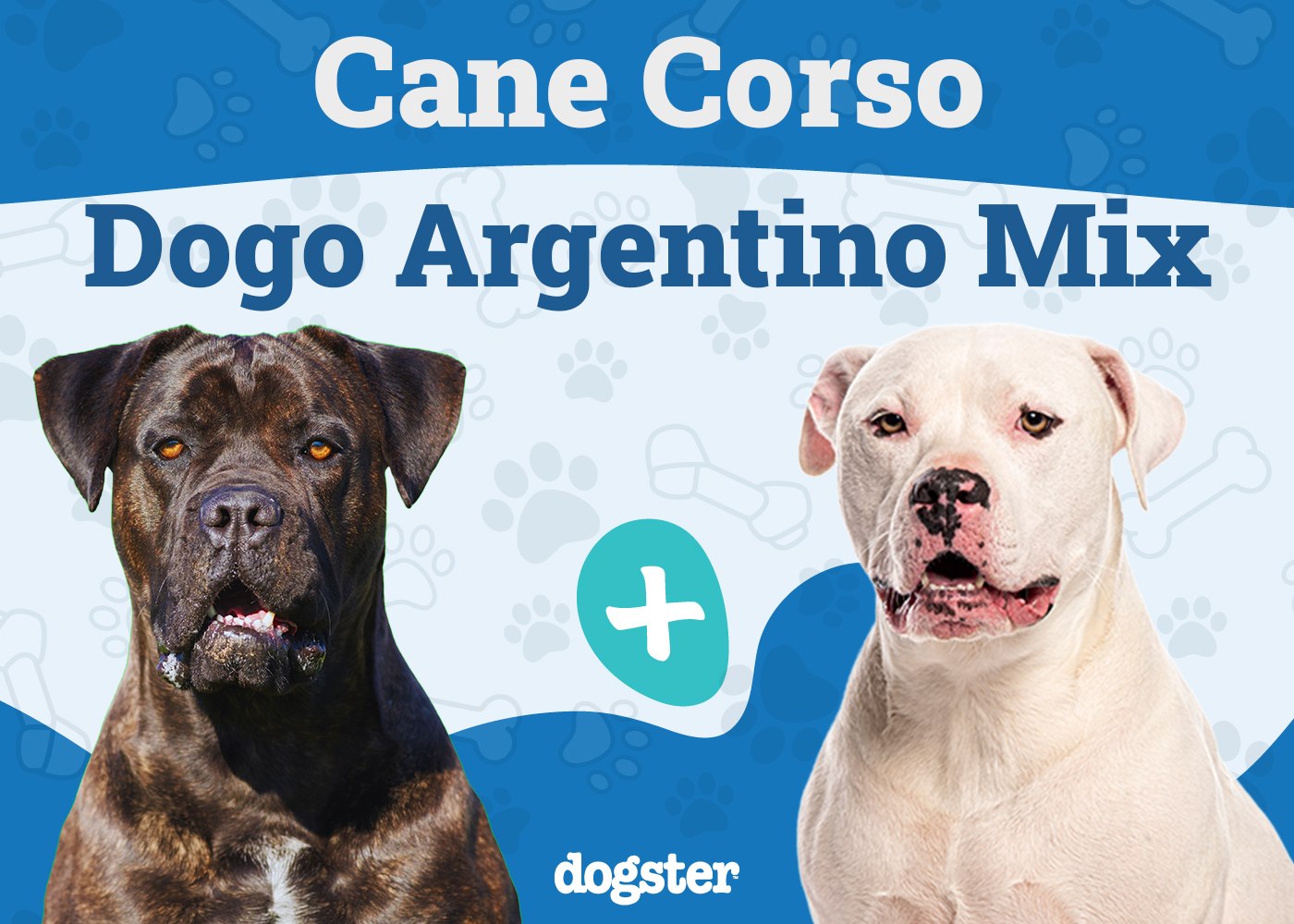
Cane Corso Neapolitan Mastiff Mixed Dog Breed: Info, Pictures, Care & More

In this article
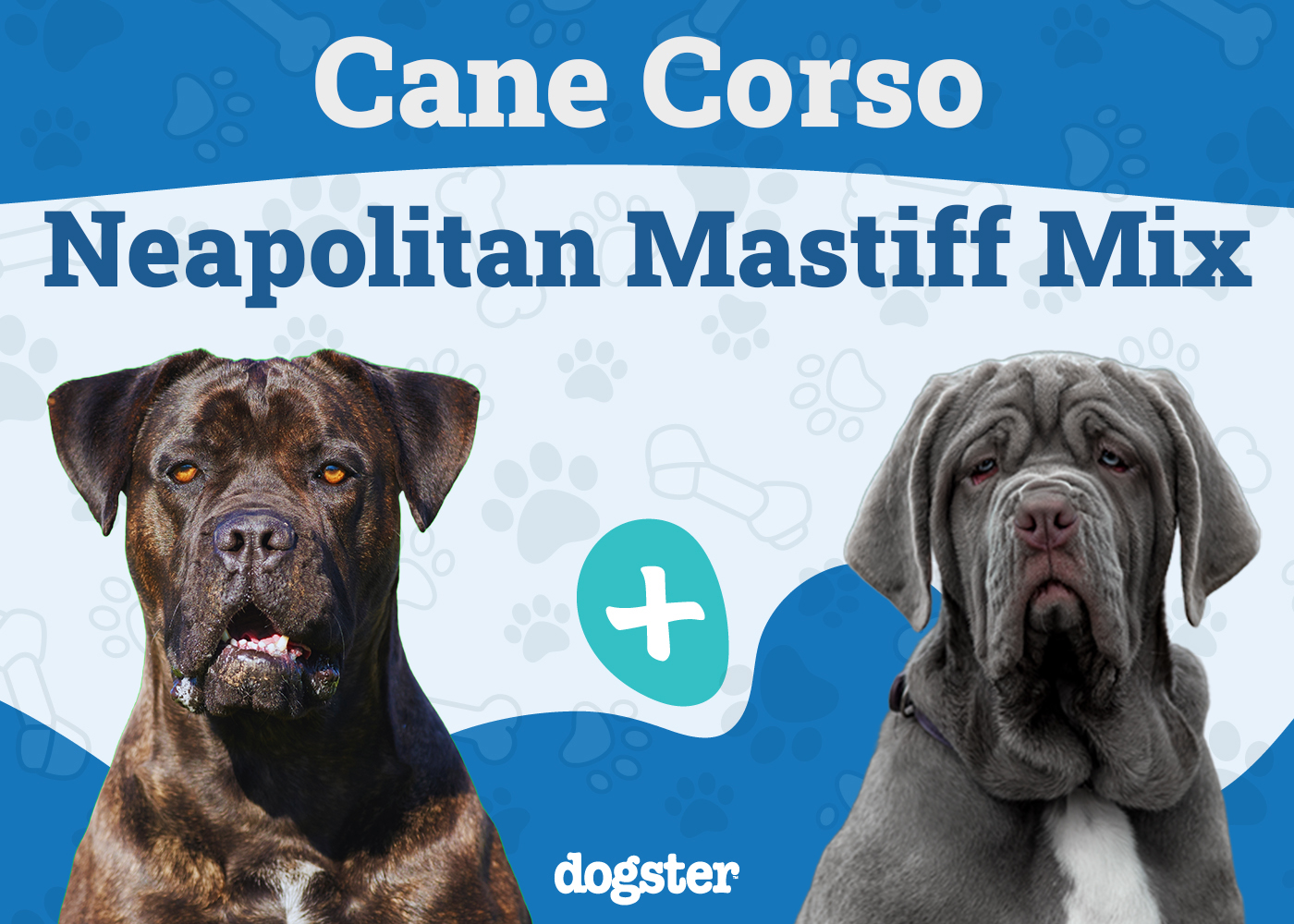
Some dog owners love having a powerful dog to guard the home and protect them. If this sounds like you, you might consider one of the strongest hybrids possible: the Cane Corso Neapolitan Mastiff. They have a combination of each parent breed's best (and most challenging) traits. They're loyal, protective, and affectionate but can also be overly vigilant and aggressive without proper training.
Read on to learn more about the Cane Corso Neapolitan Mastiff to see if they're right for you.
Breed Overview
Height:
Weight:
Lifespan:
Colors:
Suitable for:
Temperament:
The Cane Corso Neapolitan Mastiff isn't the most popular hybrid dog. As a crossbreed between the Cane Corso and the Neapolitan Mastiff, they're not suitable for every home. Their large size can be challenging to manage, especially in smaller spaces. In addition, they need owners who are willing to work to train and socialize them.
This unique hybrid showcases the best qualities of both parent breeds. They're friendly once they warm up to people and are intelligent and eager to please.
Cane Corso Neapolitan Mastiff Characteristics

Cane Corso Neapolitan Mastiff Puppies
The Cane Corso Neapolitan Mastiff isn't a very common hybrid dog. Unfortunately, we found no specialized breeders online advertising this particular mixed breed. That's not to say that you won't be able to find such a dog, however. You may have better luck scouring local rescues than trying to find a breeder who specializes in this hybrid.
The Cane Corse Neapolitan Mastiff is considered a mixed breed and has no backing from the American Kennel Club. As such, you'll need to tread carefully if you find a breeder. Often, unlicensed breeders don't follow safe breeding practices. This may mean you end up with a puppy with parents who weren't properly vetted, which could result in health issues later in life.

Temperament & Intelligence of the Cane Corso Neapolitan Mastiff 🧠
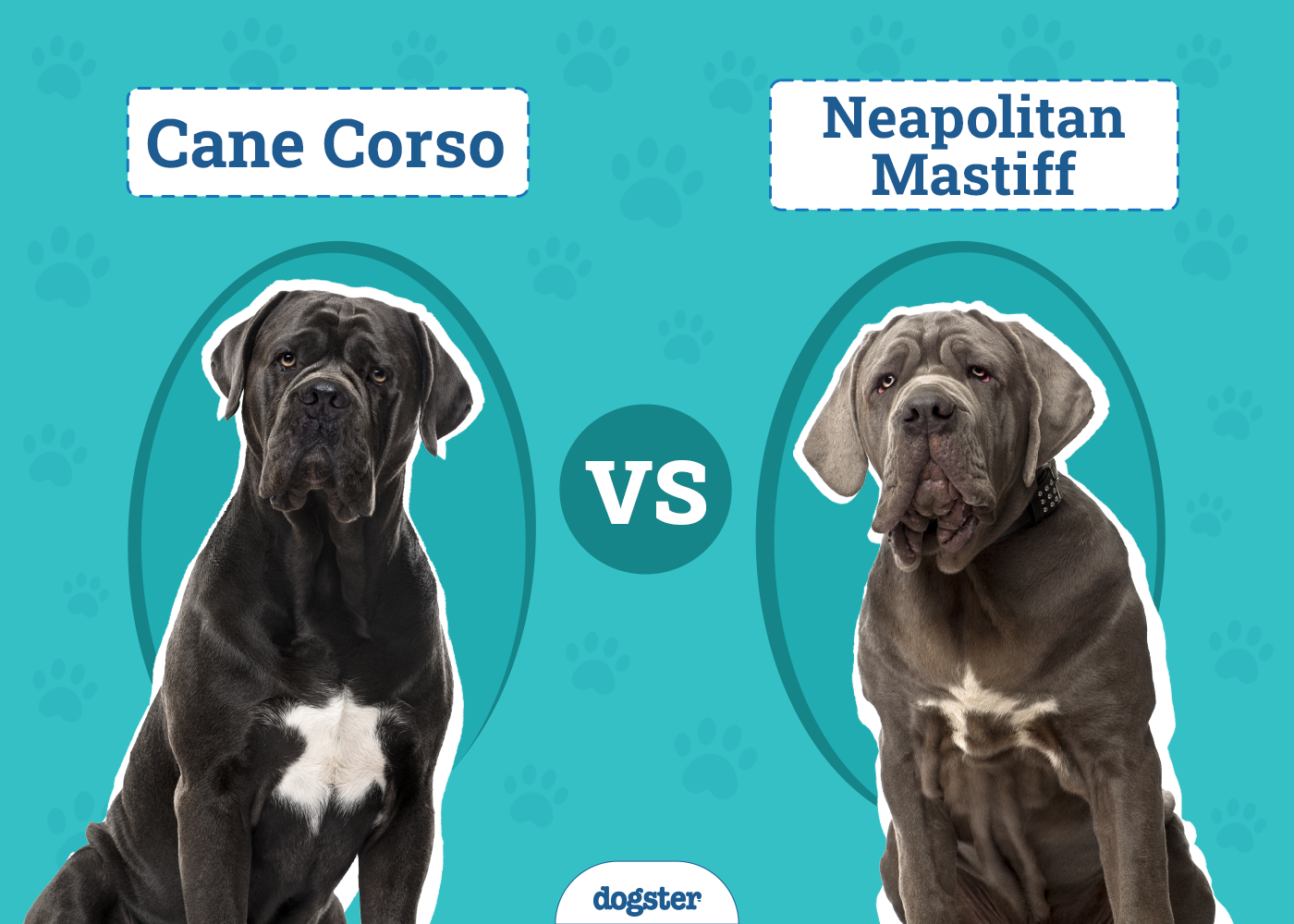
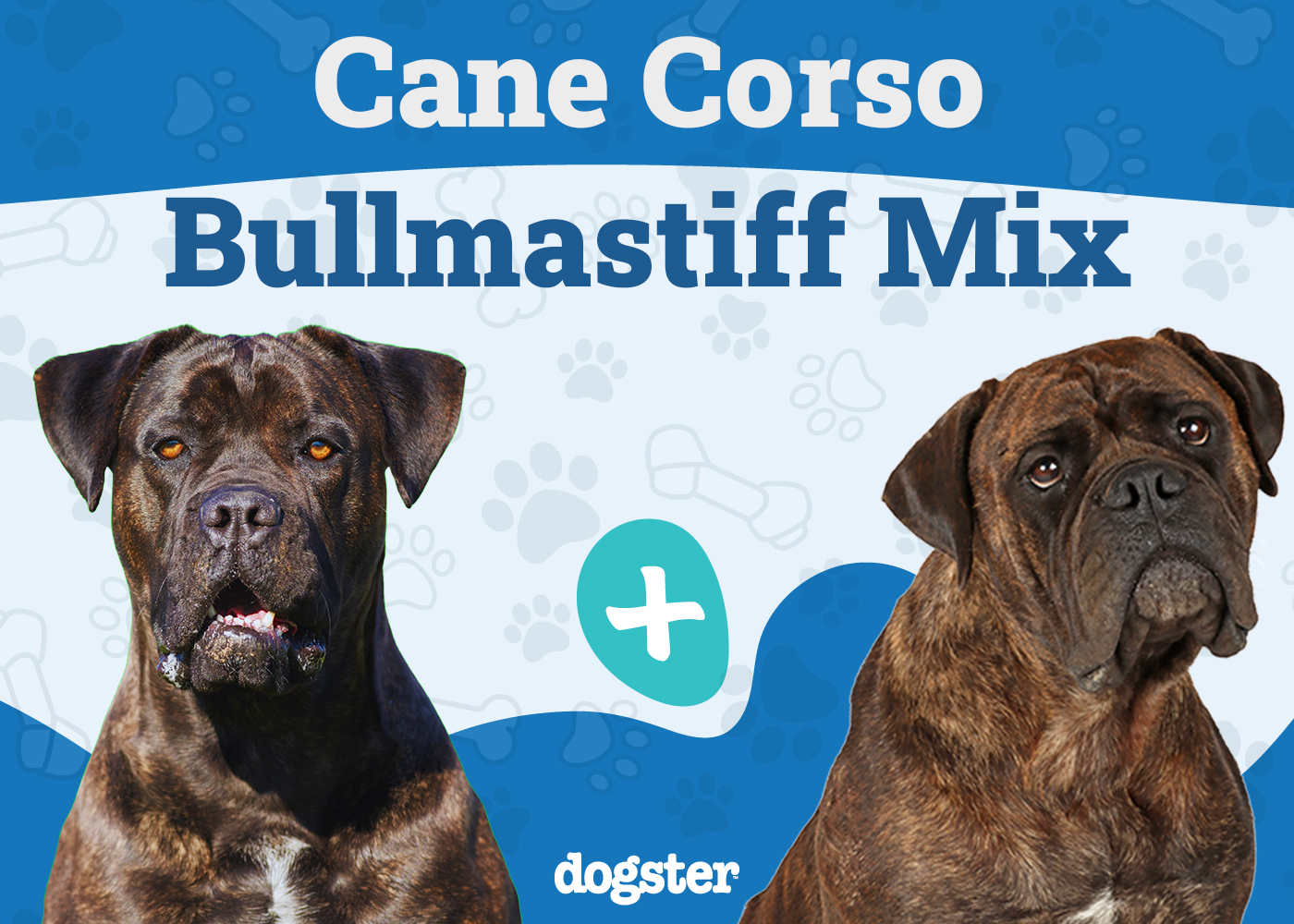
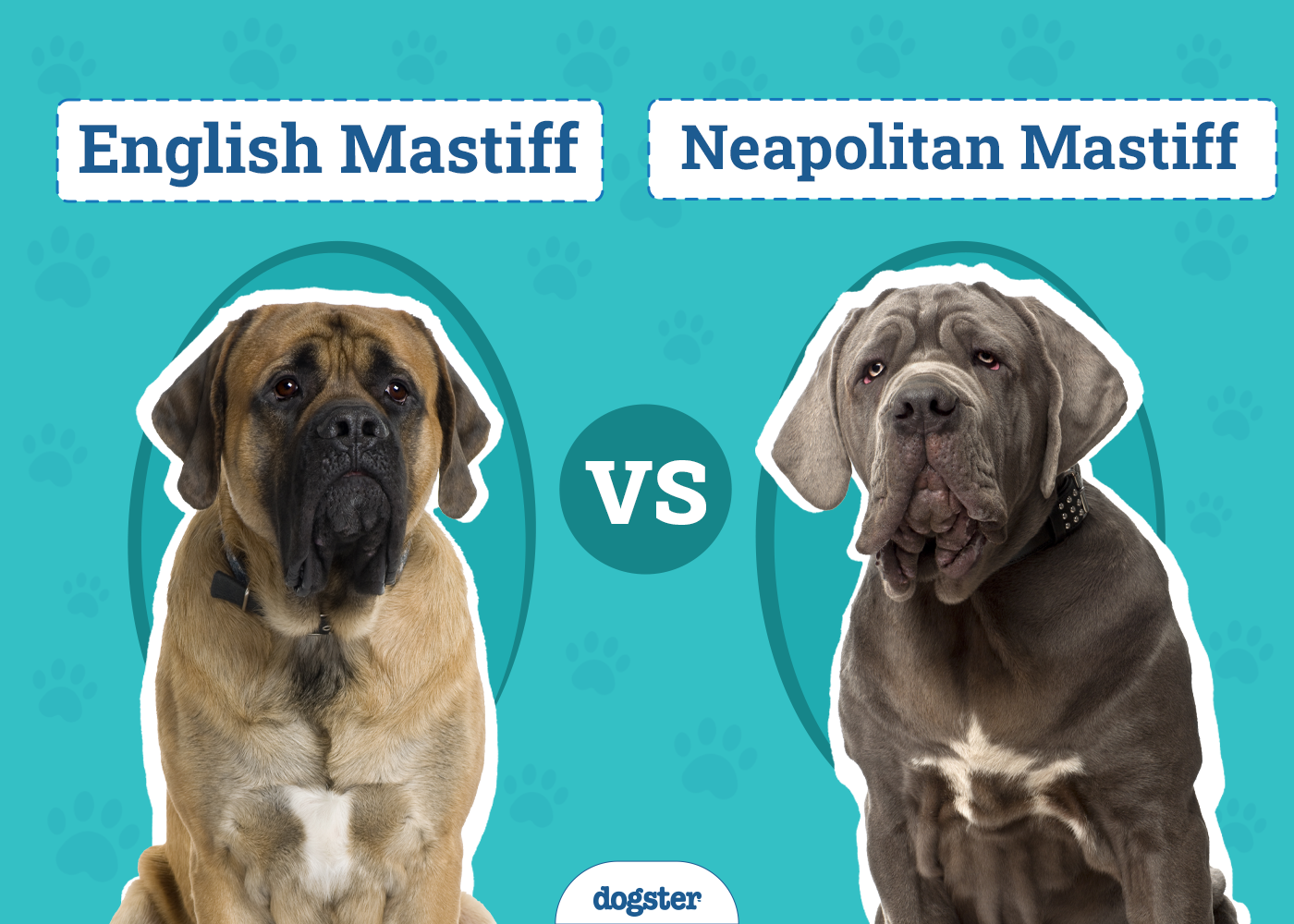
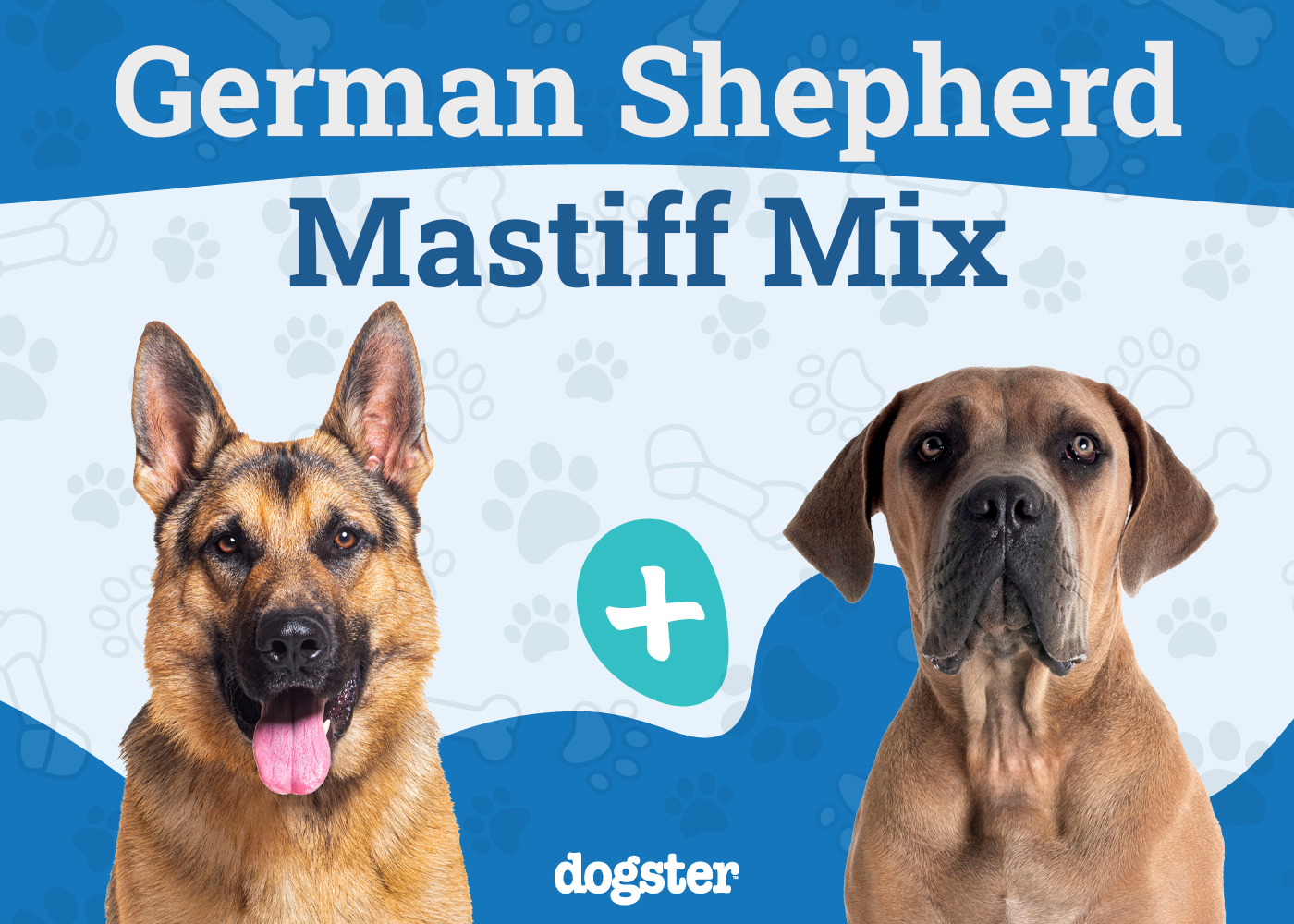
Cane Corso dogs and Neapolitan Mastiffs share many similar traits. They both have a deep love and affection for their family members. They can be wary of strangers but are intensely loyal to their families. Both breeds were born to be guard dogs, but the Cane Corso is more likely to be aggressive with newcomers. Neapolitan Mastiffs are rarely aggressive unless a true threat is present, while a Cane Corso will go into attack mode if needed.
Both pups are intelligent, so training shouldn't be too difficult. However, proper training and socialization from an early age are vital to ensuring you have a well-behaved, fully-grown Cane Corso Neapolitan Mastiff. The resulting adult will be calm, confident, and able to distinguish between friends and foes.
Neopolitan Mastiffs are gentle giants that love snuggling up on laps. They're much more affectionate and laid-back than Cane Corsi, but their guarding instincts are always alert. The Cane Corso has a hunting background, a much higher prey drive, and a higher energy level. They are very active dogs that require a lot of mental and physical stimulation. On the other hand, an adult Neapolitan Mastiff is likely to lounge around most of the day.
Are These Dogs Good for Families? 👪
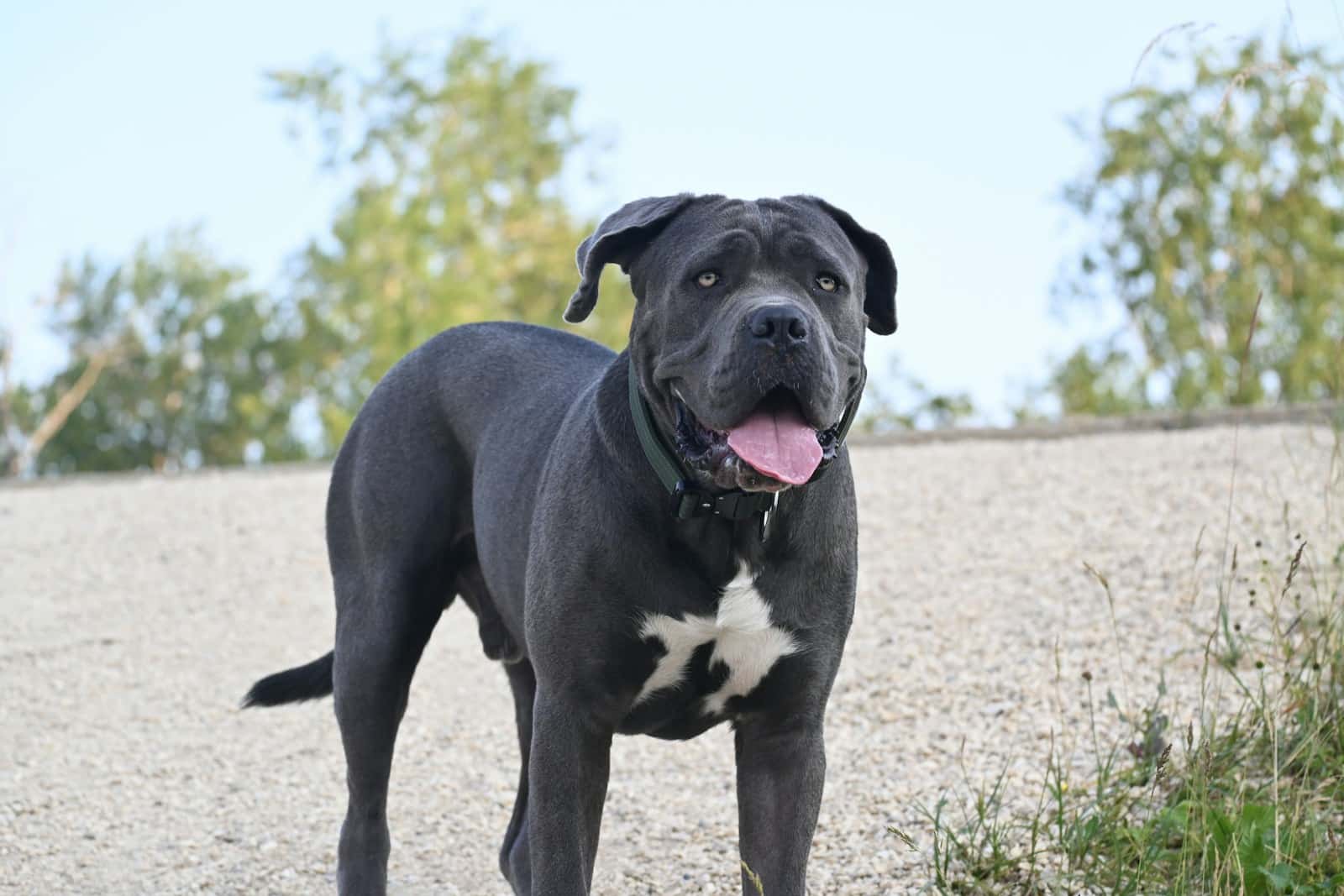
Families looking for a fierce and loyal protector will love having a Cane Corso Neapolitan Mastiff in the home. The parents were built to defend their homesteads, so your pup will grow to be quite the guardian. Since the Cane Corso and Neapolitan Mastiff are large breeds, you can expect the resulting puppy of such a pairing to be large, too. Because they're massive pups, they're more suited for families with older children.
The Cane Corso Neapolitan Mastiff will need training and socialization to promote better behavior and reduce the likelihood of aggressive tendencies. Remember, they can weigh as much as 150 pounds, so they're better for experienced owners who can handle giant breeds.
Does This Breed Get Along With Other Pets? 🐶 😽
A Cane Corso can get along fine with other dogs, but they can be aggressive around those of the same sex. Therefore, early socialization is necessary to prevent territorial behaviors when you take your pup out for a walk or to the dog park. Yet, as surprising as it may sound, the Cane Corso generally gets along well with cats, provided they are introduced to each other early.
Neapolitan Mastiffs want to be the Alphas, and their huge size makes it easy for them to take control of smaller dogs. However, they get along well with other pets, provided they are introduced early and trained properly.
The Cane Corso Neapolitan Mastiff is a large dog, which can become an issue if you have smaller animals in your home. Ensure your smaller pet has a safe space to retreat they need time apart from your pup.

Things to Know When Owning a Cane Corso Neapolitan Mastiff
Food & Diet Requirements 🦴
Your Cane Corso Neapolitan Mastiff needs an Association of American Feed Control Officials-approved diet. They require food formulated for large or giant dog breeds, Large-breed puppies grow unnaturally fast, putting them at risk of developmental orthopedic diseases. The proper food can slow their growth rate, thus lowering their risk of such conditions.
A large breed-specific diet contains unique ingredients, like joint supplements, and lower calcium levels than regular food. Your Cane Corso Neapolitan Mastiff may be susceptible to bloat and Gastric Dilatation-Volvulus (GDV), so you must take some precautions when feeding your pup. Feed them smaller meals throughout the day and portion their meals carefully. In addition, do not let your dog eat just before or after exercising.
Exercise 🐕
The exercise needs of your Cane Corso Neapolitan Mastiff can vary depending on which parent your pup takes after. Neapolitan Mastiffs are more laid-back and less active than Cane Corsos. Regardless, you should expect to take your dog out for at least an hour of exercise daily to help them stay fit and burn off excess energy. If your pup takes after the Cane Corso side more, you must increase the activity to 2 hours daily.
Training 🎾
Your Cane Corso Neapolitan Mastiff will need a lot of training and socialization, regardless of which parent they take after. Without training, your pup will test your patience and may even assume the alpha role in your "pack." Thankfully, this hybrid is intelligent, so training shouldn't be too challenging.
Of course, your dog may be a little headstrong, so ensure you balance respecting your pup's independence and allowing them to show leadership. Keep training sessions short and engaging, and focus on reinforcing obedience and desired behaviors by providing high-value treats and praise.
Grooming ✂️
The Cane Corso Neapolitan Mastiff will undergo periods of light shedding throughout the year. You should brush your dog weekly, except during the spring and fall, when they start shedding more heavily. Daily brushing may be required.
You can bathe your Cane Corso Neapolitan Mastiff every 2 or 3 months unless your pup is excessively dirty, using a high-quality dog shampoo. Dogs favoring the Neapolitan Mastiff side may have wrinkling around their face. If this is the case for your pup, you must clean the area regularly to remove any lingering food particles.
Health and Conditions ❤️ 🏥
Hybrid dogs are typically—but not always—healthier than purebreds. However, it is still important to educate yourself on the health complications that can afflict your Cane Corso Neapolitan Mastiff. Your pup may be at risk of health conditions their parents are prone to.
Male vs. Female
The biggest difference between male and female Cane Corso Neapolitan Mastiffs is their size. Males are typically heavier and taller than their female counterparts.
As for temperament, males can be more domineering and boisterous during playtime. They can also be territorial.
3 Little-Known Facts About the Cane Corso Neapolitan Mastiff
1. Both Parent Breeds Hail From Italy.
The Neapolitan Mastiff descends from the traditional guard dogs of central Italy, though evidence of their ancestry dates back to 700 B.C. They descended from the now-extinct Molossus and other giant war dogs of the Middle East and Asia.
The Cane Corso was once highly distributed throughout the Italian peninsula. However, in the recent past, the breed was only found in the province of Apulia and adjacent regions in southern Italy. The modern Cane Corso is the result of selective breeding that occurred in the 1980s from the few surviving dogs.
2. Both Breeds Are Very Sensitive.
The Cane Corso and Neapolitan Mastiff are sensitive dogs. Neapolitan Mastiffs need positive reinforcement during their training sessions since punishment can affect them emotionally. The Cane Corso, on the other hand, is highly attuned to your moods and feelings.
3. Both Breeds Are Very Pricey.
If you were to adopt a Cane Corso from a breeder, you could pay between $1,000 and $4,000. A purebred Neapolitan Mastiff is typically pricier, somewhere between $2,500 and $5,000.
Conclusion
The Cane Corso Neapolitan Mastiff is a big, beautiful dog that is very affectionate and loyal to their humans. Because they're a mixed breed, their appearance and temperament can vary dramatically depending on which parent the pup takes after. Dogs favoring the Cane Corso side may be slightly smaller, eager to please, and energetic. However, they can also be very assertive, stubborn, and willful.
Those that favor the Neapolitan Mastiff side may be larger, placid, and sweet. They are excessive droolers and can be very strong-willed. This hybrid won't suit every family regardless of which parent your Cane Corso Neapolitan Mastiff takes after. They're unsuitable for new and inexperienced dog owners or those who aren't entirely confident in training and socializing their pets.
However, their loyalty and love can make the Cane Corso Neapolitan Mastiff a rewarding pet for the right family.
Related Reads:
Cane Corxer Mixed Dog Breed Guide: Pictures, Traits, Care, & More
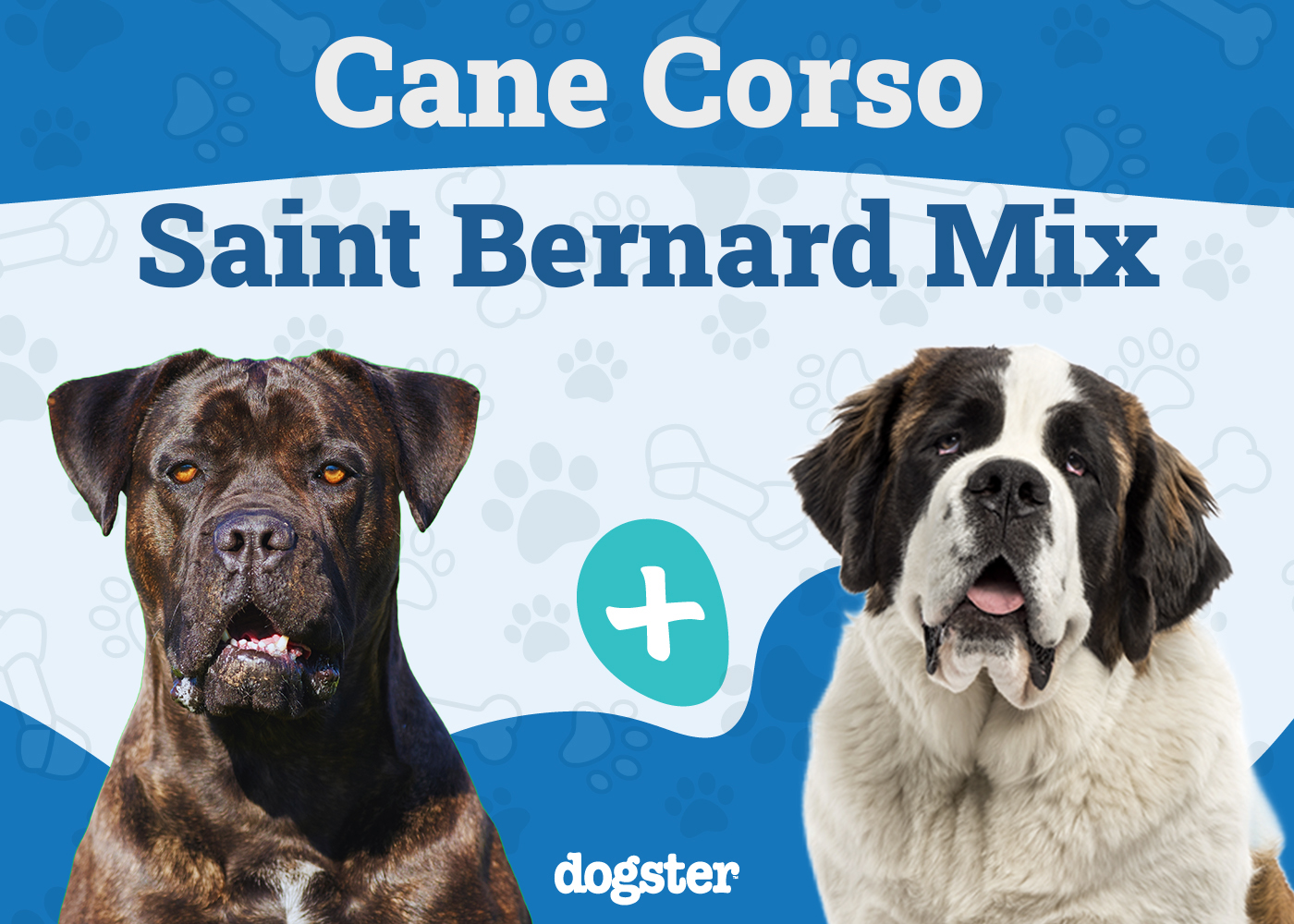
Cane Corso St. Bernard Mixed Dog Breed: Info, Pictures, Care & More
Sources
Featured Image Credit: (L) Babeshkin, Shutterstock | (R) Christian Mueller, Shutterstock
Expert dog care, straight to your inbox
Vet-reviewed advice, training tips, and the best of Dogster. Free, and you can unsubscribe anytime.
By signing up, you agree to our Terms & Conditions and Privacy & Cookies Policy.
Chantelle is passionate about two things in her life – writing and animals. She grew up on the prairies of Canada surrounded by animals and as an adult, she choose to share her home with five cats, two guinea pigs, and a bearded dragon. Chantelle, her husband, and their child take great pride in being great animal parents- the ones who spend a thousand dollars on wall-mounted cat shelves so that their cats can have an indoor jungle gym all year round. When Chantelle isn’t snuggling her cats on the couch or taking pictures of them being funny, she’s outside exploring in the Rocky Mountains, binging the same shows on Netflix over and over, and reading about whatever random topic pops into her brain.
Join the conversation
Ask a question, share your story, or send private feedback.