Having a 4-month-old puppy can feel like a whirlwind of chaos. Your dog is developing quickly and going through daily transformations. Just as soon as you figure things out, it will all change!
Here, we explain everything to expect from your 4-month-old puppy. From development to exercise and behavioral challenges, this article should tell you everything that you need to know about your pup!

Development
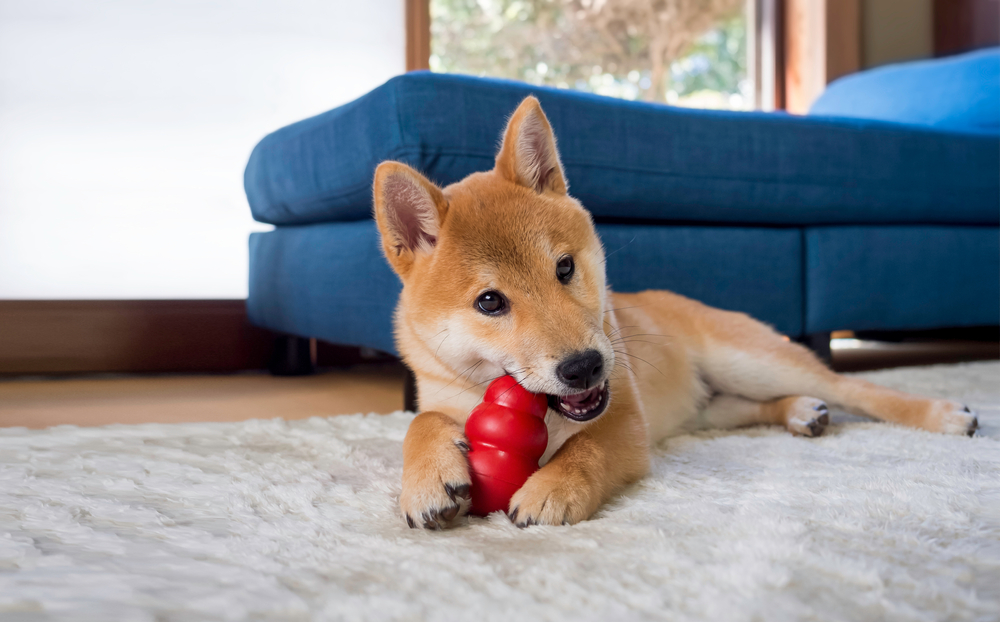
Teething will likely peak at this age because permanent teeth start erupting approximately at 4 months of age, so expect your canine to chew aggressively. While your dog won’t only chew at 4 months, you can expect the most teething to occur at this time. Be sure to provide plenty of safe chew toys and train your dog to use them. Puppies will often start by chewing on everything, and they require regular training to not gnaw on the furniture.
Teething will likely peak at this age, so expect your canine to chew aggressively. While your dog won’t only chew at 4 months, you can expect the most teething to occur at this time. Be sure to provide plenty of safe chew toys and train your dog to use them. Puppies will often start by chewing on everything, and they require regular training to not gnaw on the furniture.
Many dogs also go through a growth spurt around 4 months. While puppies typically grow quickly, you may notice them speeding up a bit around this time. Prepare for weight and height gain. Depending on your particular dog, you may need to upgrade their leash and harness.
Ensure proper nutrition during this time. Your dog must continue to consume a puppy formula until they stop growing, which will occur at 12 to 24 months, depending on their size or breed. Be sure to choose a formula that is also designed for your dog’s specific size.
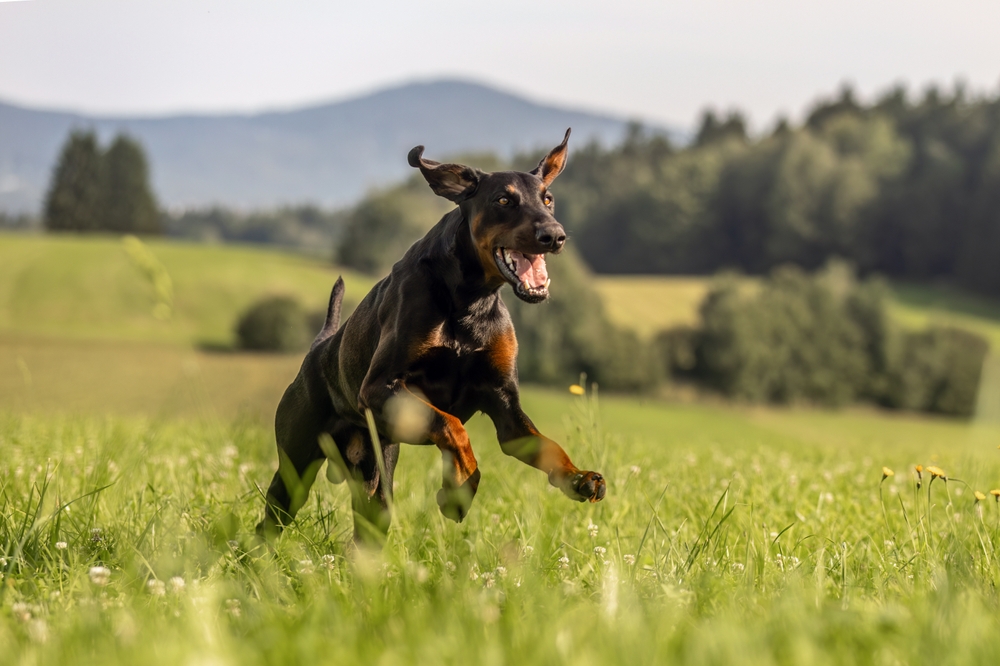
Puppies are still practicing their motor skills at this stage, so expect them to move around quite a bit. Zoomies, clumsy jumps, and awkward running are all common. You’ll need to provide them with exercise, but keep in mind that puppies tend to be quite clumsy at this age, so don’t expect too much of them.
- You may also be interested in: Puppy Developmental Stages: From Birth to Adulthood (Vet Reviewed)
Behavior
While they may be getting big, these dogs are still puppies. They will act similarly to how they did when a month younger, but they will slowly gain their confidence and grow into their personality.
Socializing your 4-month-old puppy is still very important, even if you focused on it heavily in the last month. Socialization is one of the best things that you can do for your puppy, as it will help them grow into a confident adult. Exposing them to people, other pets, and different environments is key to prevent behavioral problems in the future.
Take your dog to as many different places as you can. Dog-friendly stores, parks, and walks around town are all good options. Choose places that enable your dog to meet strangers and other dogs. The more experiences your puppy has, the more adapted they will be as an adult.
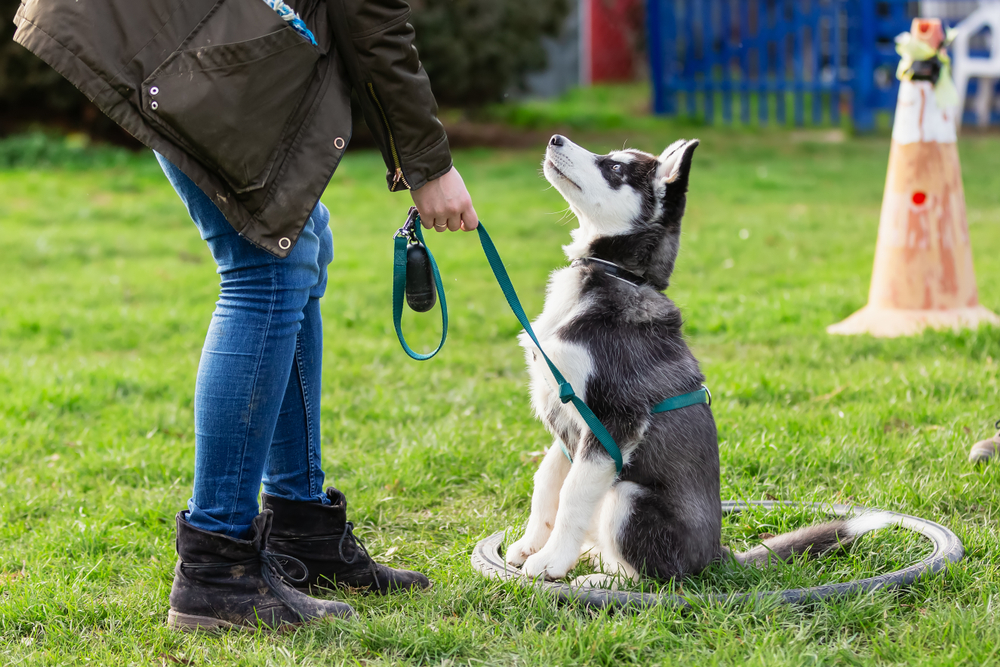
Training should also continue in month 4. You’ll probably still be working on basic commands like sit, stay, and come. Puppies tend to learn slower than adults, but it’s still important to teach them. They’re mostly focused on getting used to training and obedience at this age. Over-practice the basics to help ensure that your dog truly has these necessary commands down.
Your 4-month-old puppy may start getting at a command or two during this month. Be sure to start using them in real life and while you’re socializing. They should be used outside of training sessions for your dog to truly master them.
Most puppies will be at least somewhat potty trained at this stage. Smaller dogs often take longer, as they have smaller bladders. Accidents will still happen in most cases, just remember not to punish and reward the desired behavior every time your dog gets it right. You should continue to remain consistent in your toilet training.
Don’t let your 4-month-old puppy’s potty-training success put you too much at ease. You should continue rewarding successes and sticking to your potty schedule.
Potential Behavioral Challenges
Certain challenges are common at 4 months of age. Chewing tends to be a problem at this stage. Don’t leave your dog with anything that you don’t want to be chewed and destroyed. Redirect your dog whenever they chew something that they aren’t supposed to. Having multiple safe chew toys designed for their age and weight can be exceptionally helpful at this age.
If you haven’t started crate training your 4-month-old puppy and you’re planning to do so, it’s best to start as soon as possible. If your dog is comfortable being in a crate, this will be their safe space where they can sleep and relax with their favorite toys.
Some dogs have a surge of independence at this time. It tends to kick in as the puppy becomes a bit less of a puppy. Your dog may be occasionally resistant to commands. Plan on being firm and avoid getting frustrated.
We recommend consulting a veterinarian if you have any questions or concerns about your pet’s behavior and need training guidance.
If you need to speak with a vet but can't get to one, head over to PangoVet. It's our online service where you can talk to a vet online and get the advice you need for your pet — all at an affordable price!

Exercise
Your 4-month-old puppy requires a certain amount of regular exercise at this age. You should generally plan on providing at least one or two outdoor exercise sessions, and preferably, there should be one in the morning and one in the evening. The length of these sessions will vary depending on the breed and your puppy’s energy levels; however, consider 15 to 20 minutes per session on average.
Maybe your puppy prefers shorter sessions more frequently. Consider their needs and your schedule and talk to your vet for tailored advice for your dog’s needs since some dog breeds will need more exercise than others. Plan and adjust if your dog appears to be overly tired or hyperactive. Keep in mind that, rather than long walks, puppies’ exercise should consist more of natural play sessions. This will enable them to build up muscle, strengthen joints, and learn how to interact with others.
Do not over-exercise a 4-month-old puppy. If your dog is tired on a walk, do not force them to keep walking. Excessive or high-impact exercise could cause bone and joint development issues. We particularly don’t recommend jumping or high-impact activities until your puppy is fully grown.
Be mindful of the weather. Puppies don’t regulate their temperature as well as adult dogs, so avoid exercising them outdoors on excessively hot or cold days. Going out early in the morning or late in the evening is best in hot weather. On cold days, consider waiting for it to get warmer around the middle part of the day.
Short, brisk sessions of exercise tend to be best for puppies. They’ll spend a great deal of time taking naps, but you can expect spurts of energy between these rest periods.

Diet
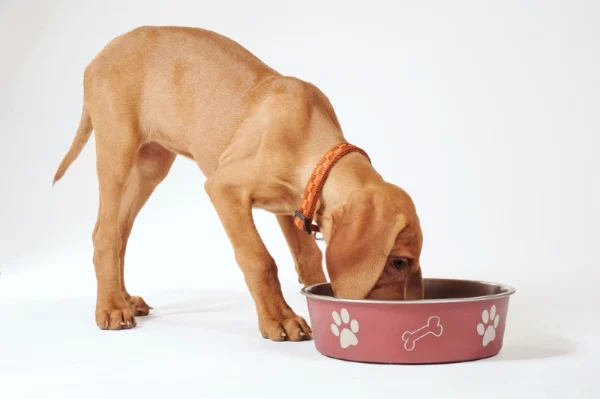
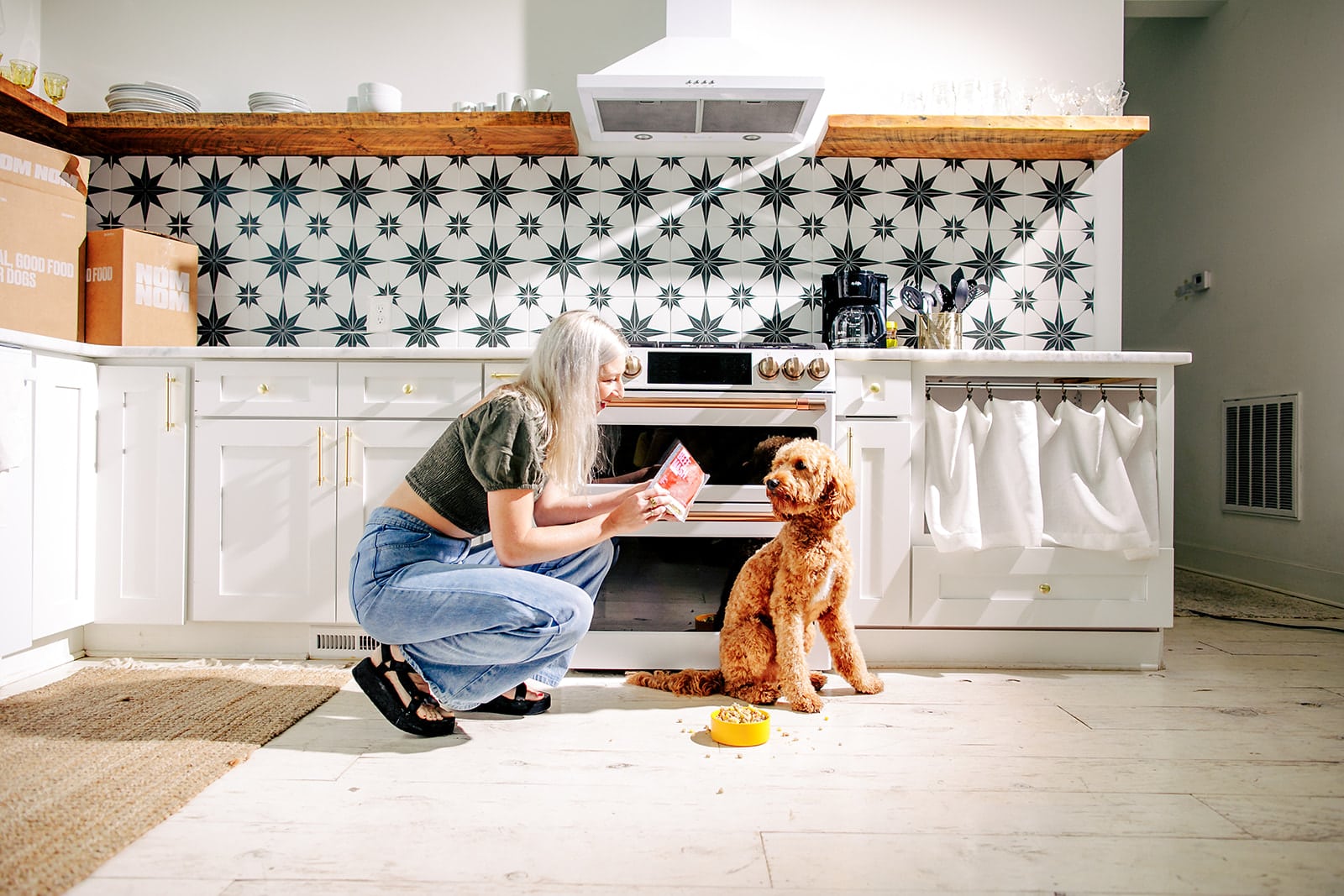
Feeding your 4-month-old puppy properly is crucial for their development. High-quality puppy food is absolutely necessary for your dog to grow properly. Without essential nutrients, they’re more likely to develop serious health problems. Look for brands that are reputable and don’t have regular recalls. The safety of the food is just as important as its nutrition.
Meat-based ingredients are best. Many puppies also do well on grain-inclusive foods. We don’t recommend selecting grain-free foods unless your dog actually is grain sensitive, as grain-free foods have been associated with heart problems.
Fresh, wet, and dry foods can be solid options, though it depends largely on your and your dog’s preferences. Some puppies have special digestive needs that point toward one food or the other, but there isn’t necessarily one type of food that is always better. For instance, some dogs may not digest wet food well.
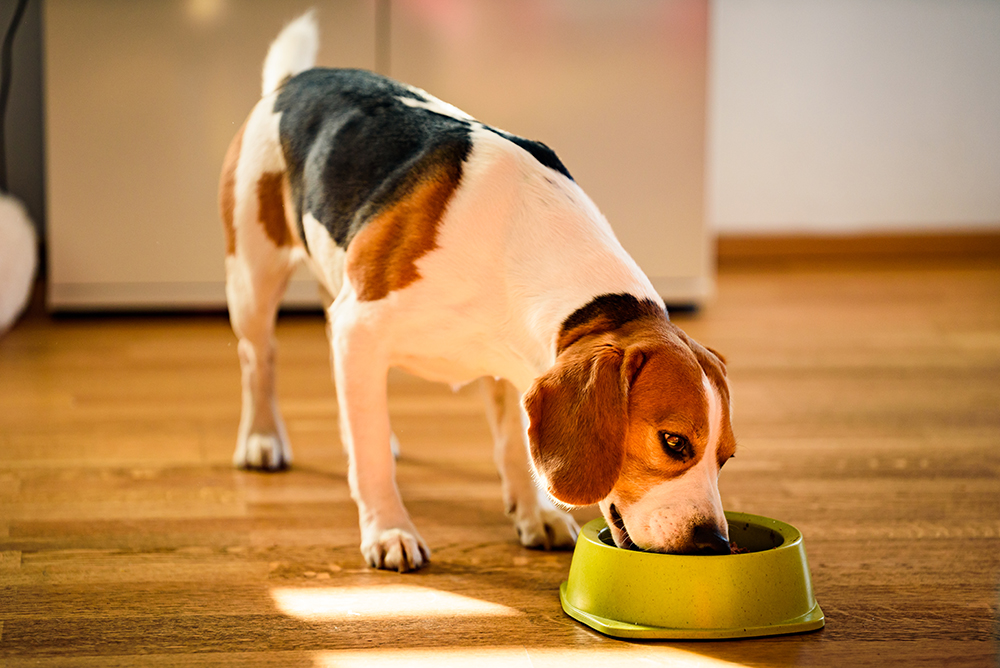
Puppies typically need more meals a day than adults. They have smaller stomachs and a faster metabolism, so they require smaller meals. Tiny puppies may have trouble regulating their blood sugar, and they may need even more frequent meals. Be sure to always divide the amount of food that they should have daily between all these meals as best you can.
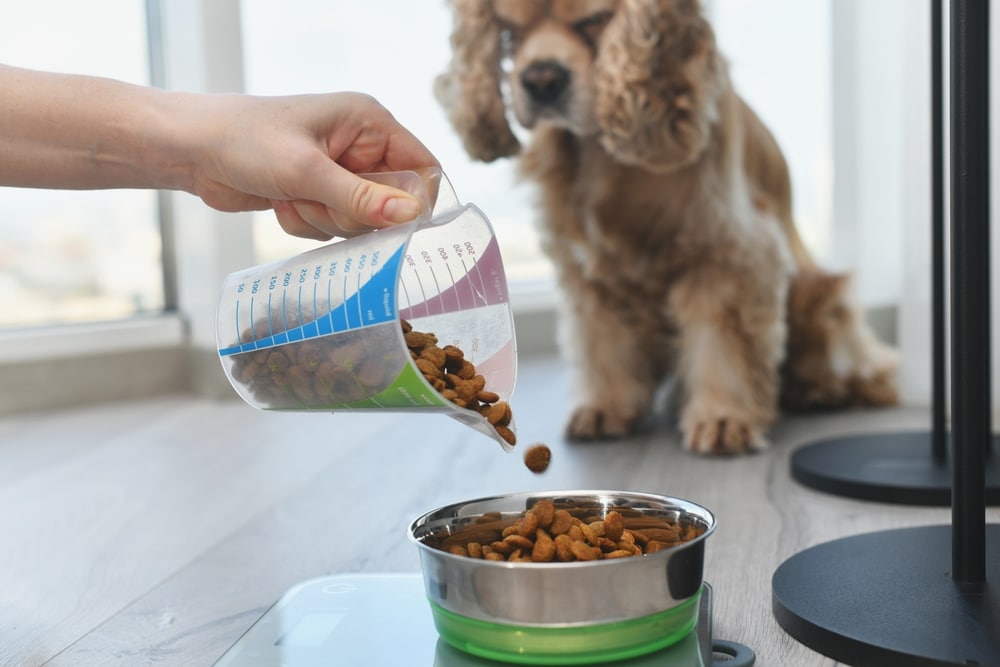
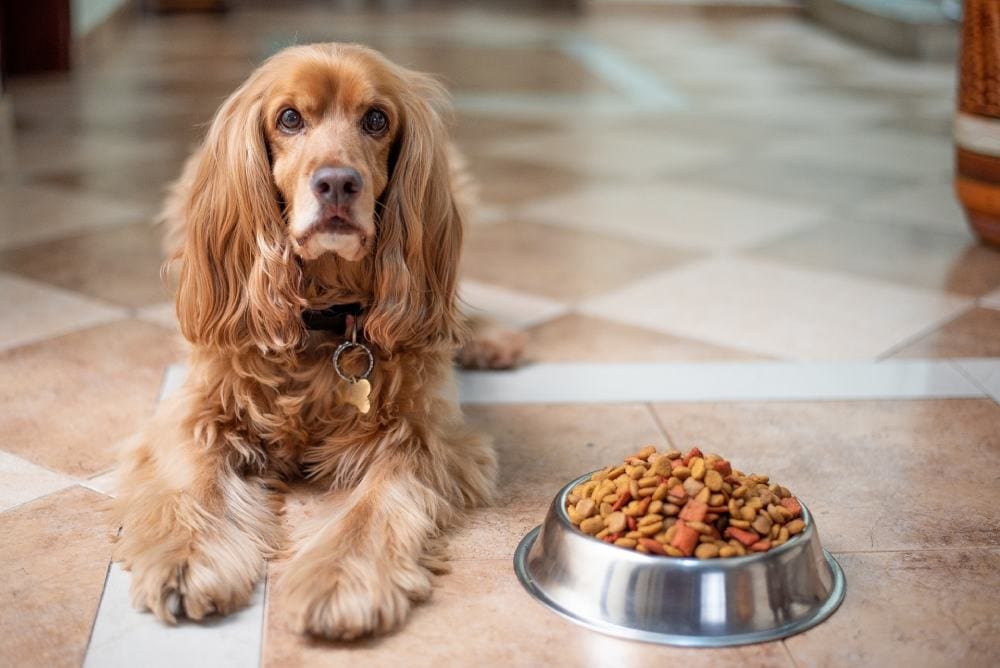
Four-month-old puppies should have at least three meals a day. Very small breeds may require four, though. You can decrease the number of meals when they’re around 6 to 12 months of age following your vet’s advice. It’s not recommended to free-feed. Always measure your dog’s food, as overeating can cause serious issues for many puppies. Overweight puppies are at increased risk for joint disease as they grow older. Most puppies are exceptionally food driven, and they will often eat far more than they need.
Don’t free-feed. Always measure your dog’s food, as overeating can cause serious issues for many puppies. Too many calories can cause hip dysplasia and similar problems in large breeds on top of the usual obesity. Most puppies are exceptionally food driven, and they will often eat far more than they need.
Be sure to maintain a consistent feeding schedule for your 4-month-old puppy. A routine helps your puppy know when food can be expected, which may prevent begging. It can also help with potty training, as you’ll learn when your puppy needs to head outside.
Don’t give table scraps to your puppy, as these can be unhealthy or even dangerous. Many seasonings used by humans, including onions and garlic, are toxic to dogs. For safety purposes, it’s often best not to give any human food to your pet.
Dog treats are recommended for training, but you should serve them sparingly to prevent weight gain. Training can be done with your dog’s usual kibble, though you may need more high-value treats in certain situations. Breaking treats into smaller pieces can be very helpful.

Sleep
Puppies need a significant amount of sleep. At 4 months old, your puppy is basically still a baby, and just like a human baby, they need far more sleep than an adult due to their accelerated growth. Sleep plays a crucial role in your dog’s development.
At 4 months, expect your dog to sleep around 11 to 15 hours a day. Exactly how much your puppy sleeps will vary, but you should not prevent them from napping when they want to. Providing a cozy crate for them to sleep in can help your puppy calm down and rest when they become tired.
Their sleep is generally divided into several naps and a longer stretch at night. We recommend crating your dog at night to ensure that they rest and sleep. Otherwise, it is possible for puppies to be too active at night and then sleep all day, which is exactly the opposite of what you want.
Of course, every puppy is unique and their sleep needs can vary widely. If your dog is more active, they may need more sleep, for instance. Puppies may also go through stages where they are quite active and sleep little, followed by phases where they sleep most of the day.
By 4 months, most puppies will be sleeping through the night. Some may still need a potty break in the middle, though. Small breeds tend to need potty breaks more often than large breeds, as their bladders are tinier.
Your dog will already be used to their sleeping place by now, so you just need to guide them there at the same time every night. Puppies tend to have the same sleep signals as humans, such as yawning and becoming more subdued.
Setting a routine can help ensure that your puppy gets all the sleep that they need. You don’t want to be trying to feed or train your puppy when they are tired, and you should provide a quiet time before bed. Too much roughhousing can lead to your puppy being overstimulated at bedtime.

Conclusion
Four-month-old dogs are still puppies. They require careful care to ensure that they are developing properly. A proper diet, training, and sleep are all vital for their development. You’ll also need to stay on top of their developmental needs. Puppies at this age are typically teething and may have several growth spurts.
However, all puppies are different. Just because we recommend doing something here doesn’t mean that it’s the best idea for every dog. You know your puppy best, and you should make the proper adjustments as you see fit.
See also:
- Cockapoo Dog Breed Info: Pictures, Traits & Fun Facts
- Popular Chihuahua Mixes: Pictures, Facts & History
Featured Image Credit: sophiecat, Shutterstock