Everyone knows dogs want all the attention they can get, but the amount they need isn’t always apparent. Dogs require a healthy blend of social engagement and independence-building alone time. Err too far to one side, and you risk creating some separation anxiety or neglecting them. Each situation brings unique challenges that make life less enjoyable for you and your pet.
The amount of attention you can and should provide is one of a potential owner’s most crucial considerations. In general, you should spend at least 2-3 hours a day with your dog. We’ll break down the daily attention you should provide to develop a strong bond and give your dog the most fulfilling life possible.

How Much Attention Do Dogs Need?
Dogs should receive at least 2–3 hours of attention daily, split into several chunks throughout the day. In general, dogs should not be left alone for more than 6–8 hours without a chance to go to the bathroom.
What Kind of Attention Do Dogs Need?
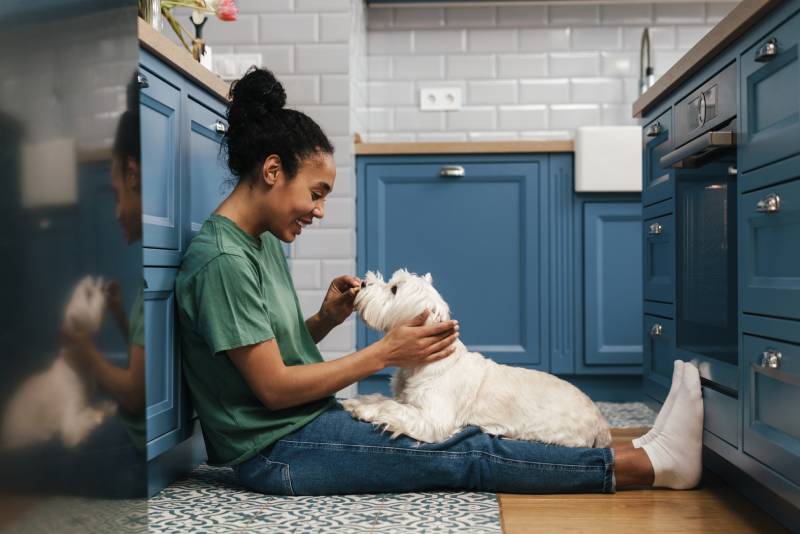
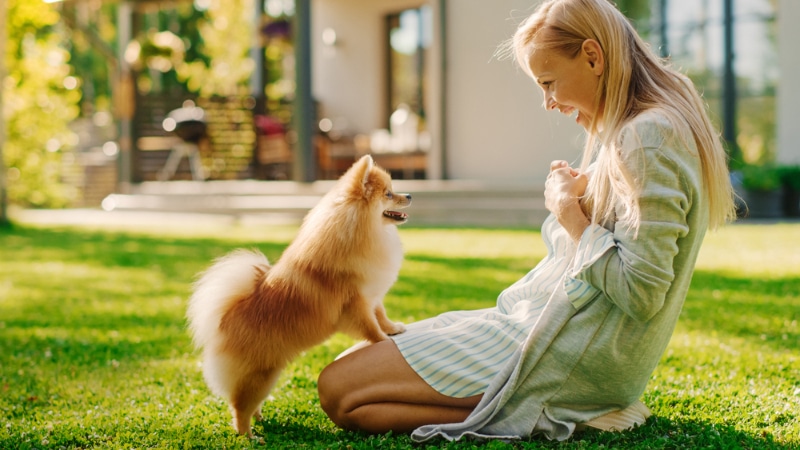
Attention means more than simply being around your dog. You have to interact with them to establish a solid bond with your dog. Some of the many ways we give attention to our dogs include:
- Exercise: Dogs broadly need 30 minutes to 2 hours of daily exercise, depending on their age and breed, split between walks, playtime, and activities
- Feeding: Adult dogs usually need two meals daily, while puppies often eat in smaller portions more often
- Grooming: Some breeds demand daily brushing and regular grooming sessions, while others have coats that are practically maintenance-free
- Training: Short training sessions, each around 3–5 minutes long, will maintain your bond and sharpen your dog’s obedience skills
- Enrichment: Providing puzzles, games, and toys will flex your dog’s brain and engage their instincts in fun, safe ways
Different Needs for Different Breeds
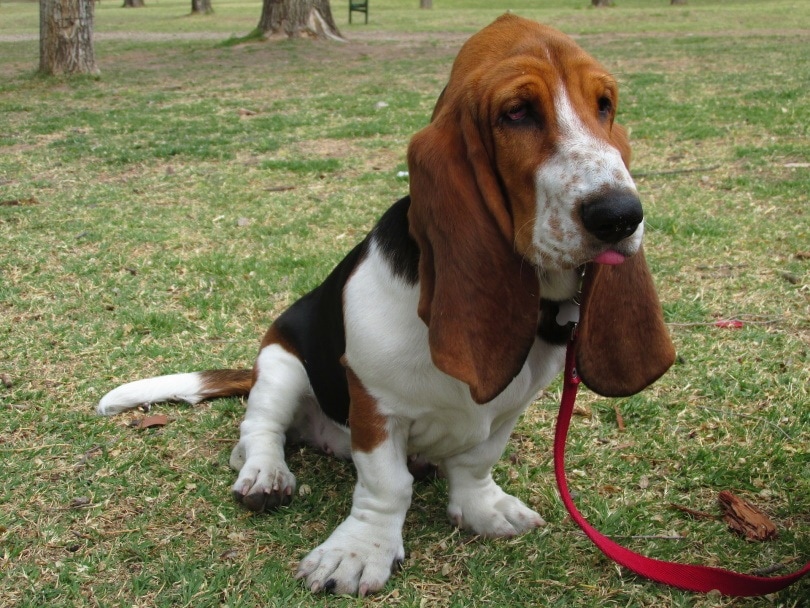
All dogs need attention, but each is unique in how much they require. Their breed has a significant impact, emphasizing the need to find the perfect match for your home and lifestyle.
Their age also factors in, as young puppies need more attention (e.g., night-time potty breaks, training) than older dogs. Finally, individual experience can influence traits like separation anxiety that demand more attention.
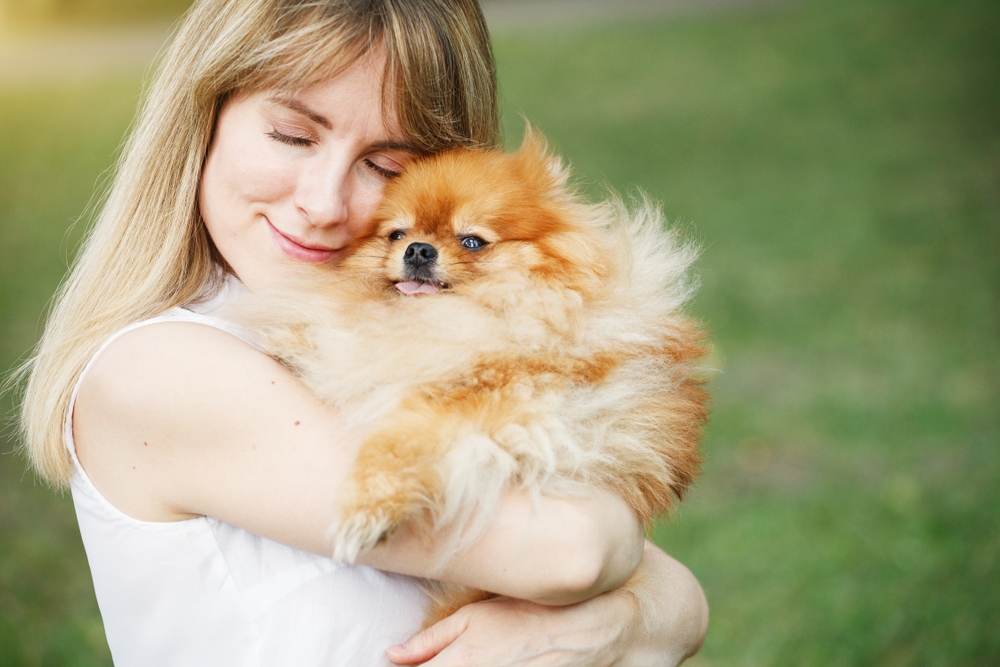
Training Your Dog to Be Alone
Training your dog to be alone is a crucial part of ownership. With the modern workday, expecting anyone to commit to 24/7 care is unreasonable. Plus, it typically isn’t healthy for the dog. Crate training and building positive associations with being alone are essential in puppy development to prevent behavioral issues.
Firstly, set your dog up for success. You don’t want to create a situation that causes your dog distress, as this will not help your training. A little crying is inevitable as pups are used to being around their mother and littermates at all times. We don’t want to reward any crying behavior by responding, but we also don’t want your dog to be distressed in any way. Create a comfortable space with a cozy bed, toys, long-lasting chews, and enrichment devices. Gradually practice spending more and more time away from your dog in a separate room.
Upon your return, ensure your dog is calm before you greet them. If they are overly excited, ignore them until they settle. If they are calm, you can greet them but don’t offer any food rewards. You don’t want them anxiously anticipating your return.
Make this progressive training part of the daily routine until your dog is comfortable with being alone for several hours.
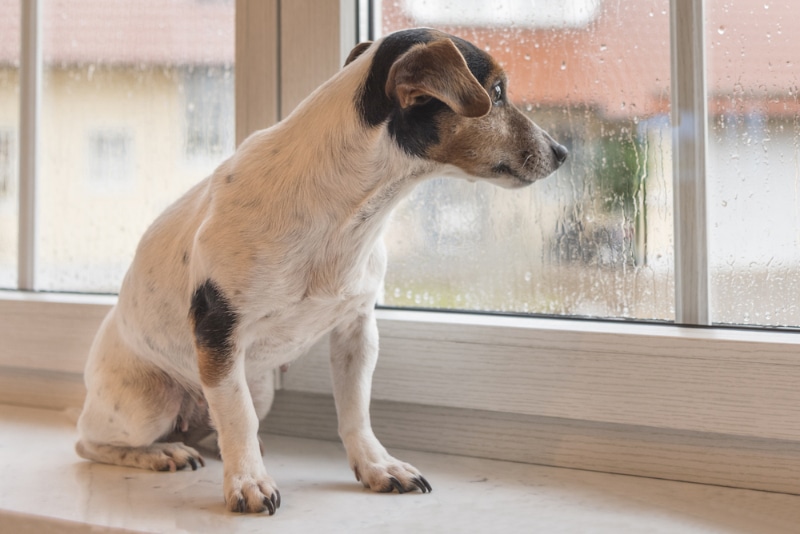
How Much Attention Do Puppies Need?
Puppies need much more training than adult dogs, and therefore much more attention. People often say that bringing home a puppy is like having a new baby in the house. Don’t worry though, your hard work will pay off when you have a wonderfully behaved adult dog. It’s much easier to train your dog well in the first place rather than have to work on behavioral problems in the future.
You will need to focus intently on training and socialization in short and fun bursts (remember puppies have a short attention span). While training is an ongoing process throughout the dog’s life, this is the time for puppy classes, obedience work, and exposure to different people and situations. Alongside the potential financial cost, this will require more time and attention.
One slightly less demanding area with puppies is exercise. Walks should be short, with brief playtimes occurring a few times throughout the day. A common rule is to arrange walks lasting 5 minutes for every month of age, two to three times daily.
So overall, you will probably spend around 4-5 hours a day cleaning, feeding, toileting, caring for, training and exercising your puppy in short bursts.
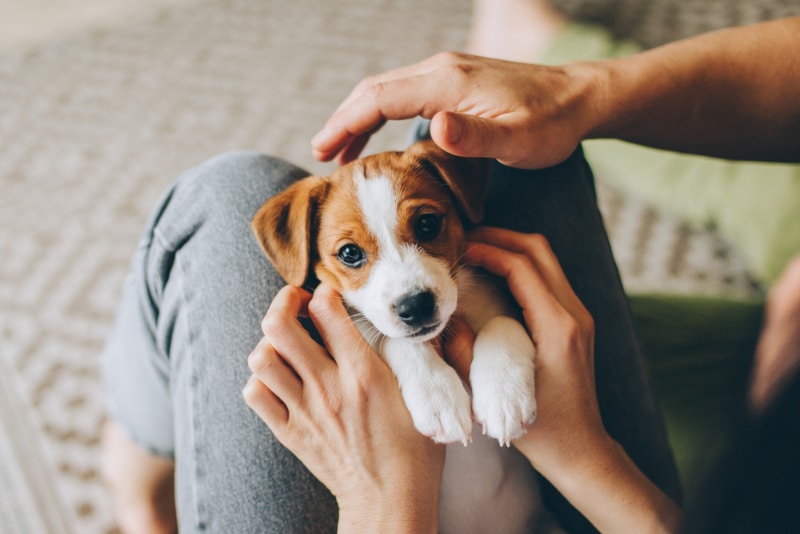
How Much Socialization Do Dogs Need?
Much of the attention we give our dogs entails socialization to some degree. It fits into the appointments, exercise time, and training we provide but requires consideration and planning to ensure our dogs receive their full benefit. Experts recommend that puppies meet 5-10 new people every week and should experience being in a new place once a week.
Socialization builds your dog’s confidence in novel situations around strange people and animals, establishing an even, outgoing, and tolerant temperament. Exposure to new people and places is particularly crucial when working with a puppy’s malleable mind, but maintenance is ongoing throughout the dog’s life.
Handing for examinations and grooming is also part of the socialization process. You should get them used to touching their ears, paws, and looking inside their mouth. Remember that all experiences should be positive, as negative experiences can mean phobias later in life.
When Do You Socialize Your Dog?
Socialization can occur anywhere, even at home. Friends and family visiting or even the delivery person coming to the door offer opportunities to create positive associations with strangers. Meanwhile, vet visits and grooming appointments will give your dog practice staying calm in potentially stressful situations. Exercise time is the best opportunity to give your dog a broad array of experiences. Changes in walking routes, for instance, will expose them to new sights, sounds, smells, and terrain.
If you have healthy, well behaved and friendly dogs in the family, these are good dogs to mix your puppy with. Better still, visiting signing up for obedience or skills training classes can give them the physical, mental, and social stimulation they need all in one place.
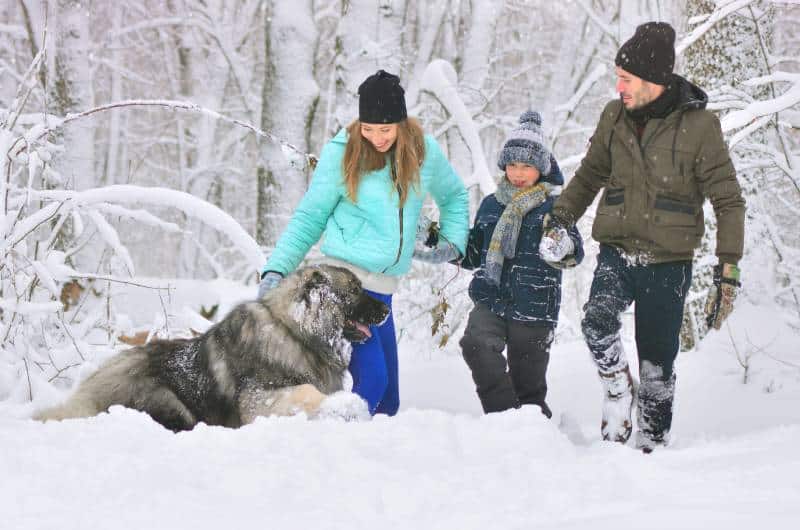
How Much Exercise Do Dogs Need?
Working dogs, like herding breeds (Border Collies, German Shepherds), gun dogs (Pointers, Vizlas, Labradors) and other working breeds (Jack Russel Terriers, Huskies, Malamutes), require much more daily exercise and mental stimulation than non-working breeds. The working breeds were bred for work ethic and stamina. They need more space to exercise and active families capable of keeping up with their needs, lest they fall into destructive behaviors.
Their age and health will also affect a dog’s need for attention and exercise. Dogs tend to mellow as they age, requiring less intensive exercise, but will still benefit from mental stimulation and interactions with you. Talk to your vet about your dog’s unique exercise needs based on their breed, age, and medical history.
If you need to speak with a vet but can't get to one, head over to PangoVet. It's our online service where you can talk to a vet online and get the advice you need for your dog — all at an affordable price!
How Can I Tell if My Dog Needs More Attention?
A lack of attention can weaken your bond with your dog and affect their health in several ways. You must strike a proper balance between alone time and togetherness while checking for signs that your dog needs more attention. The signs normally manifest in your dog’s behavior rather in their physical body, with the exception of self-destructive behaviors such as tail chewing and excessive licking.
Destructive Behaviors
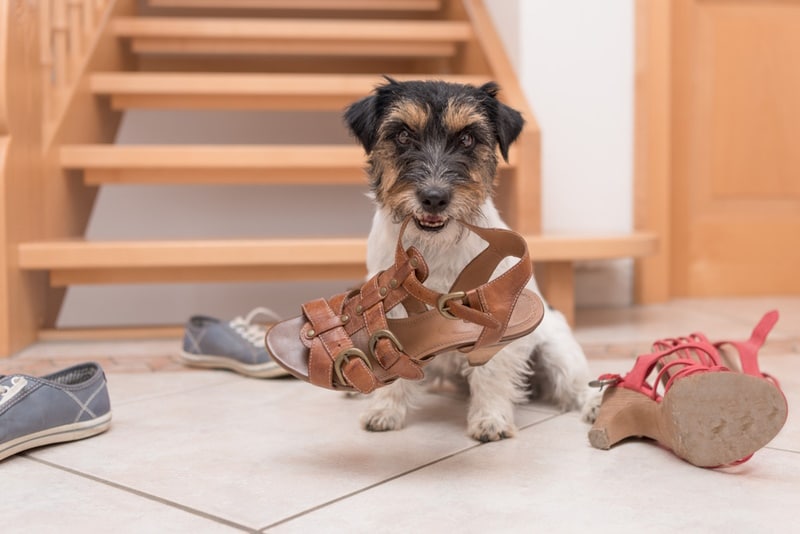
Destructive behaviors can occur simply out of boredom. These include digging, chewing, and shredding within the home. If this occurs when you are not home, it’s also possible that your dog is experiencing some separation anxiety.
Hyperactivity and Anxiety
Is your dog overly excited by small events, or are they uncontrollably hyperactive when you walk through the door? Excitement and anxiety are both states of high arousal. While one appears to have positive effects and the other negative on interactions, we should aim for calm interactions with our dogs. Hyperactivity and anxiety occur in more reactive dogs, perhaps from lack of exposure.
Vocalization
Similarly to destructive behaviors, nuisance barking can occur from boredom or anxiety. Providing an outlet for all that energy can help your pooch settle and be less reactive.
Withdrawn Behavior
Understimulated dogs may withdraw and not want to interact with the family or other dogs. They have perhaps learnt that their cries for attention go unanswered and enter a state of learned helplessness.
Frequently Asked Questions (FAQ)
What Can I Do to Give My Dog More Attention?
We can’t spend all day with our dogs, even though most of us would like nothing more than to devote every waking hour to playing and snuggles. Sadly, life gets in the way sooner or later, sometimes to the point that we can’t give our dogs even the bare minimum of attention. Try these tips if you find yourself struggling to provide the socialization and stimulation your dog needs:
- Hire a dog walker to visit a few times a week while you’re at work
- Schedule time at a doggy daycare.
- Get new toys, durable chews, and puzzle feeders to keep your dog mentally engaged while by themselves (monthly subscription boxes are an excellent idea).
- Work short training sessions into small gaps, like when you’re making dinner or brewing your morning coffee.
When Should You Avoid Giving Your Dog Attention?
Owners must be the ones to dictate when their dog gets attention. It’s easy to give your dog what they want as they jump on you when you walk in the door or put their paws on you while you’re working at your desk. But every time you do that, you’re reinforcing the behavior, and your dog begins to own you rather than the other way around.
Don’t neglect your dog, but don’t reward their attention-seeking behaviors with any attention, whether positive or negative. Ignore them until they are behaving calmly and sensibly. Establishing a predictable daily routine can help in this regard, but no matter the circumstances, your dog should not feel they can decide what you do.


Final Thoughts
Providing dogs with daily attention is vital to their mental health. Our engagement earns their trust, obedience, and adoration, and the more we provide the proper kind of attention, the more fulfilling our bonds become. Show your dog daily appreciation while empowering them to thrive when alone, and you can be confident that your dog is living their best life every day.
Featured Image Credit: Dean Drobot, Shutterstock
 How Much Attention Do Dogs Need?