Pet Parent vs Pet Owner: What Do You Call Yourself & Your Dog?

In this article
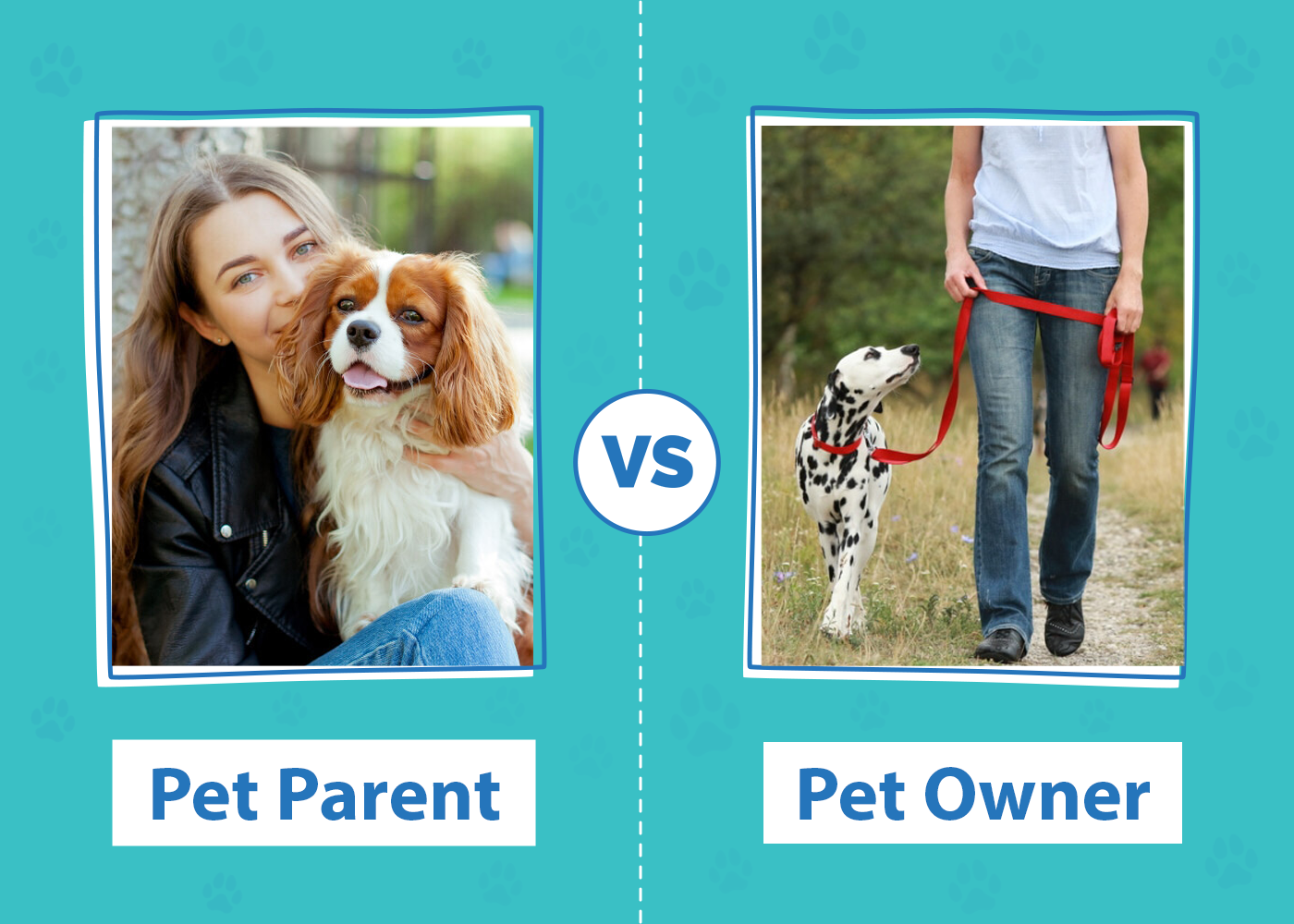
Are you a pet parent or a pet owner? Titles rarely get much consideration from average pet lovers, and many use names like these interchangeably when discussing their dogs. But innocuous as they may seem, these details can matter.
Our definitions symbolize how we view our pets, cluing others into that dynamic and affecting how they interact with us and our dogs. After all, introducing children as “my kids” has a far different connotation than “my property,” and it speaks volumes about your perception and approach as a caregiver.
While the contrast in terms isn’t as severe when we're talking about dogs, the comparison highlights the powerful meaning of these labels. Let’s explore the distinction between “pet parent” versus “pet owner” so you can better understand your role and relationship.

At a Glance

Overview of a Pet Parent:
Although dogs have been human companions for several millennia, the pet parent concept is relatively new. Critical shifts in the family structure occurred in the 1900s. For centuries prior, rigid traditional models sharply defined each family member’s role.
However, as 20th-century trends like delayed marriage, increases in childless women, and cohabitation expanded the meaning of family to include non-traditional forms, the dog’s role became more abstract and, in many ways, more critical. Dogs transitioned from “pets” to “family members.”
The evolution makes sense. Pets have always occupied a vague middle ground between everyday animals and humans. Although we don’t saddle them with the expectations we place on our children, we still share our homes, keep our dogs safe from harm, and give them names. For those without kids, pets supply powerful, emotionally attached relationships. They are integral in family units, providing friendship, love, comfort, and stability for children and adults alike.

What Does Being a Pet Parent Mean?
In the plainest view, being a “pet parent” implies that a person’s dog is a stand-in for a human child. We assume the role of a caregiver, drawing rudimentary parallels to parents of children by providing shelter, food, medical attention, and opportunities for mental and physical enrichment. However, the dog/child comparison is much more nuanced than simply being a parent or non-parent.
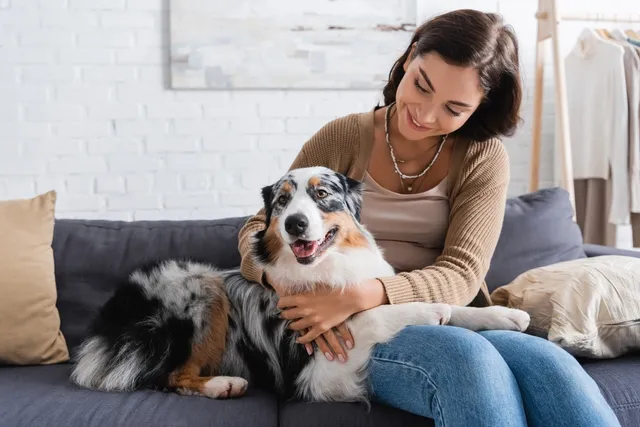
Pet parents are more likely to treat their dogs like children with social and cultural sensitivity. With varying levels of commitment, dog parents will often call their pets “fur babies,” refer to themselves as “mom” or “dad,” ask for kisses, or make extra efforts to recognize them as equal to human family members.
Like parents of children, they afford their dogs autonomy and allow their pets’ needs to influence decisions around financial and time investments. They may even put their pet’s welfare above their own.

How Do Pet Parents Treat Their Pets?
The pet parent's identity is often highly salient. By calling themselves “parents,” people with dogs take on social roles with certain expectations for how they should act. From the boundaries they set to the routines and traditions they honor, pet parents make decisions in their relationships with their dogs that are more similar to those of a person with children.
A 2011 survey found most Americans with dogs consider them to be no less family members than anyone else, with 77% frequently talking with them like people. Over 70% of respondents stated they celebrate their dog’s birthdays, share a daily meal (usually dinner) with them, and keep pictures of their pets to show to others.1
In some ways, anyone with dogs shares a parental position. Training and socialization are always crucial for dogs. Owners act as guiding guardians and provide lessons on staying safe and being well-behaved. According to the survey, the difference is that pet parents generally apply human standards to teaching and disciplining their dogs.
Are Dogs Surrogates for Children?
From one perspective, pets act as substitutes for children when people with dogs call themselves "pet parents." Some of this may be due to the desire to identify the family construct in their home. Many agree that children are crucial to the definition of family.
Treating pets as kids is an inventive way to legitimize that household structure when you don’t have children. Society similarly embraces pet parenthood, as evidenced by initiatives like the “pawternity leave” many companies offer new pet parents.
Pet parents without kids don’t necessarily delude themselves into thinking pets are the same as human children, though they may take offense when others don’t treat them as such. Many feel that “parent” is the best way to respect their dog’s mindedness and describe their dynamic. But they still acknowledge that they chose dogs and not children, valuing their parental role in a species-specific way.

Benefits of Being a Pet Parent
Dogs offer a halfway point between having and not having kids. Humans are willing caregivers who engage in alloparenting. We are open to providing for offspring in a community, fulfilling a general desire to nurture regardless of a biological connection. We can even do this with other species.
Being a pet parent to dogs provides the chance to feel mutually deep love and a caring bond without having to manage the time, money, and energy costs of having a baby. For others, pet parenting is training to become a parent or a testing ground to see whether they are ready or willing to invest in having kids.
But they still acknowledge the difference between pets and children. Although they may call themselves “pet parents” or even refer to their pets as “sons” or “daughters,” they try not to diminish the unique role of companion animals or human children by equating them entirely.
Overview of a Pet Owner:
The pet owner label carries a more traditional perspective on human-animal companion relationships. For as long as we have domesticated dogs, they’ve filled crucial jobs for their handlers, including towing carts, herding and protecting livestock, exterminating vermin, and hunting game.
Many breeds were tools that provided tangible benefits. We treated them as such by valuing dogs primarily for their effectiveness at their given task. A concept of ownership is inherent in companion animals today, if only in a transactional way.
There’s a generally well-accepted market for dogs, with particular breeds fetching higher prices than others based on demand. We shop for dogs as consumers, picking the one that fits our lifestyle, budget, and quality criteria. Even those who adopt can go to a shelter and choose the dog they want to bring home and raise.

What Does Being a Pet Owner Mean?
A pet owner has pets but doesn’t use the same linguistic shorthand as pet parents. They have dogs rather than “fur babies,” visit the vet instead of the doggy doctor, and take them to obedience classes rather than “school.” However, being a pet owner does not mean your pets aren’t part of the family or that you don’t prioritize their welfare.

Benefits of Being a Pet Owner
There’s nothing wrong with being a pet owner. For many, nomenclature offers a clearer understanding of our various roles. Being a pet owner is practical for a person with children to define the distinction between the two family member groups.
Referring to animals and human children as your kids imply, in some ways, that you regard them equally. By indicating you don’t prioritize your children, you could potentially harm your image as a good parent. Being a pet owner can, therefore, be a socially acceptable label that validates our actual parenting.
Identifying as a pet “parent” or “owner” also has no relationship to your dog’s quality of life. The “parent” label only indicates how a person feels about their attachment and the importance of their relationship. It has nothing to do with actions. Whether a pet parent or owner, anyone with a dog can provide the best possible care.
Does Having Kids Affect Being a Pet Parent vs. Owner?
Having young kids affects how people view their pets as part of the family. Unmarried owners and those without kids have more incentive to view themselves as pet parents. While they validate the family structure by doing so, this can also affirm their other relationships.
For example, a boyfriend and girlfriend labeling themselves as “mom” and “dad” implies a certain commitment level in their relationship alongside their feelings about their dog. With kids, the priorities shift. Pets typically have to take a backseat, becoming a secondary consideration in decisions and the general dynamic in the house.
Social norms dictate as much. Treating your pets as equal to your kids is less socially acceptable and can draw your parenting skills into question. As a result, owners create a distinct separation between the two, making them less likely to consider themselves pet parents. Meanwhile, non-parents will practice direct care that more closely mirrors how they might treat a human child.

Are “Pet Parent” and “Pet Owner” the Only Options?
If “parent” or “owner” don’t fit your feelings about your dog, you have numerous alternative options. Many people with dogs are sensitive to the animal rights implications behind specific terms. Rather than using words like “parent” or “owner” that evoke entitlement or agency over the dog, they may use words like “caregivers” or “companions.”
Some call their dogs “friends” or “equals.” With terms like these, you can avoid implying your dog needs a parental figure and speak to the social exchange nature of dog ownership. Like friends, dogs have costs and offer rewards.
We choose to bring them into our lives because the emotional, physical, and psychological value they offer makes them a net benefit. The “friend” or “companion” label is also valid from the dog’s perspective. Since many of their actions center on increasing rewards and decreasing punishment, our dogs' interactions with us are like cooperative exchanges.
Conclusion
Who knew there was so much to a name? Socially and personally, the difference between being a “pet owner” versus a “pet parent” can seem significant. But before you worry too much about picking the best terminology, remember that these details are only important to us. If your dog receives the same care and benefits of your companionship, you can rest easy knowing they won’t care what you call yourself.
See also:
Sources
Featured Image Credit: Left (Pet Parent) Sabelnikova Olga, Shutterstock , Right (Pet Owner) absolutimages, Shutterstock
Expert dog care, straight to your inbox
News, insights, expert advice, and everything dog.
No spam — unsubscribe anytime.
By signing up, you agree to our Terms & Conditions and Privacy & Cookies Policy.
How useful was this post?
Click a star to rate. You can leave written feedback afterwards. (We read all feedback.)
Nicole has loved animals of all sizes her whole life so it's no wonder she has dedicated her career to helping them through what she loves best: learning, writing, and sharing knowledge with others. She’s the proud mom of two dogs, a cat, and a human. With a degree in Education and 15+ years of writing experience, Nicole wants to help pet parents and pets around the planet to live happy, safe, and healthy lives.