
For over 20 years, Dogster has been in the homes of dog lovers, first as an online community, and now an online dog magazine and website. It’s a place for dog people to come together to get the latest expert advice about dog behavior, health, news, entertainment, products, and a whole lot of adorable doggy pictures.
We are an international team of veterinarians and dog experts on a mission to help dogs and their parents live their best lives.
Click below to skip ahead:

Our History
The well-respected, beloved and award-winning and all-around puptastic magazine Dog Fancy got its start way back in 1970, laying the foundation for pet care magazines, both print and online. As the world’s most widely-read dog magazine, Dog Fancy celebrated the dogs and people who love them with expert information and entertainment. Constantly evolving along with its dog-loving readership, in 2015 the Dog Fancy brand joined with the popular dog website Dogster. In 2003 Dogster began as an online community of dogs and the people who love them and then evolved into an award-winning source for all things canine-related. (The site was created by the late Ted Rheingold and his longtime friend Steven Reading.) The two brands Dog Fancy and Dogster combined to become even stronger, and Dogster still holds the record for the longest-running print publication for dog lovers, known for its love, care, humor and knowledge of all-things canine.
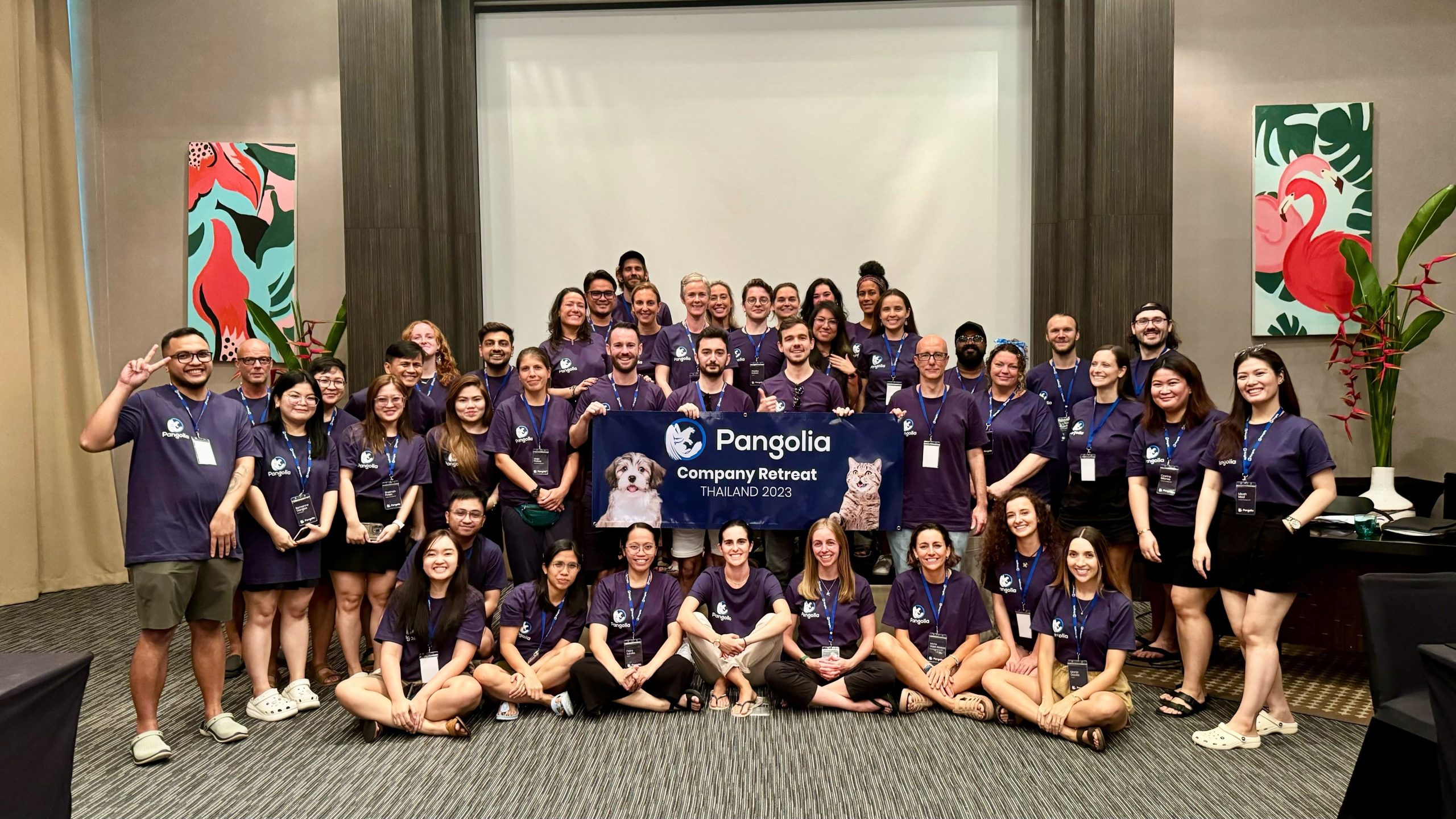
In late 2023, Dogster was acquired by Pangolia, a pet-focused digital media and e-commerce company. The print magazine has now finished publication, but the website continues to be your main trusted resource for all things dog. Dogster now also has an online store with curated products.

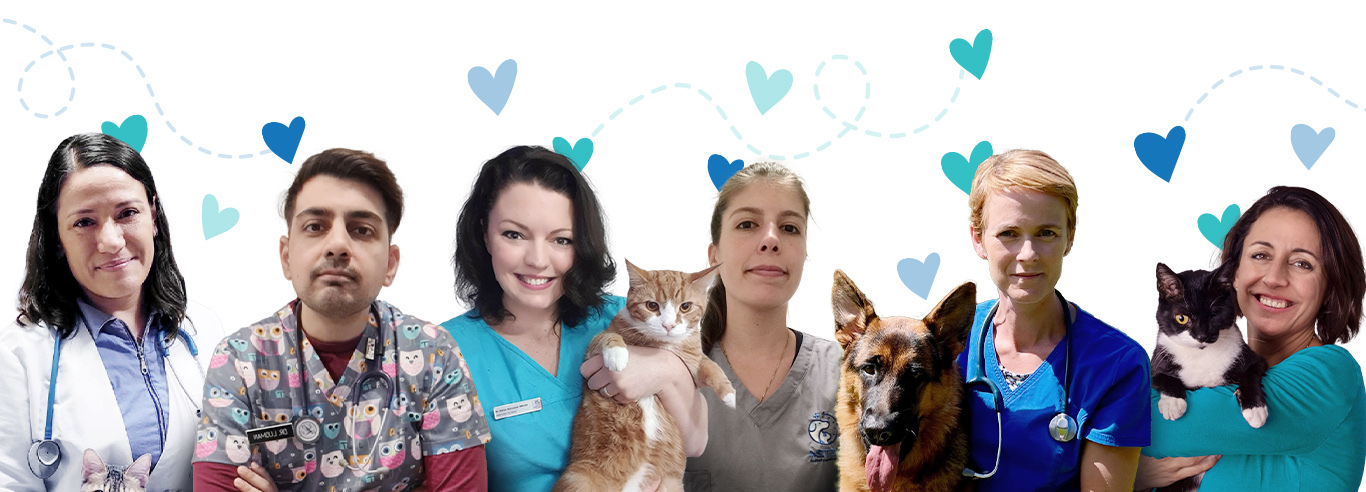
Meet Our Veterinary Review Team
Dog-parenting isn’t all fun and games, which is why we have a team of veterinarians who ensure our health and wellness content is the most accurate and up-to-date.
Dr. Paola Cuevas MVZ – Senior In-House Veterinarian
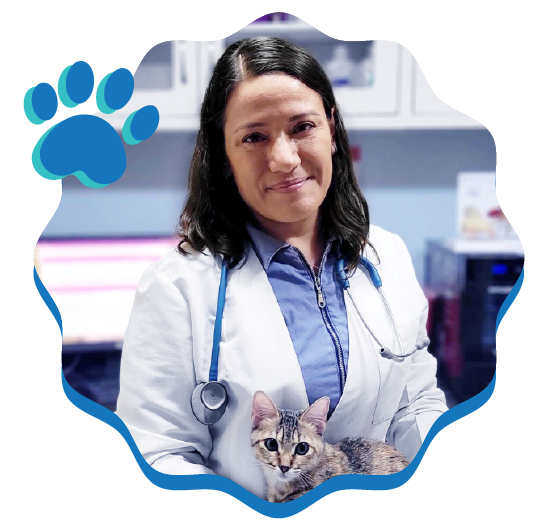
Dr. Paola Cuevas is our Senior In-House Veterinarian at Dogster and Pangolia. She has over 19 years of experience working with an array of species and loves sharing her knowledge and experience with our readers and aims to provide assistance with any issue presented by your non-human family members. She received her degree from the University of Guadalajara, Mexico. Read more…
Dr. Lorna Whittemore MRCVS – Senior Veterinary Editor
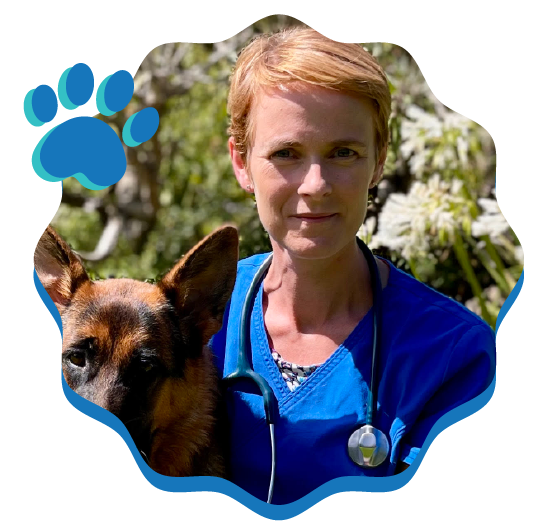
Dr. Lorna is a veterinarian based in Cape Town, South Africa. originally from Scotland. Lorna loves to travel and has lived, studied, and worked on three different continents. Lorna has over two decades of experience in small animal medicine and surgery, both in the charity and private sector, plus a further qualification in feline medicine. Read more…
Dr. Luqman Javed DVM – In-House Veterinarian
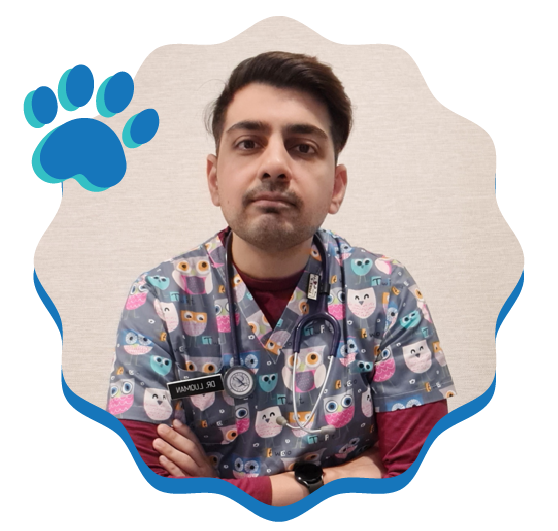
Dr. Luqman (also known as Dr. Lucky) grew up with an extreme fondness for animals of all kinds. By becoming a veterinarian, he turned his childhood dream into reality. Now, his goals are focused on providing help to dogs all around the world by helping dog owners to understand their canine friends better to ensure the best quality of life for them. Read more…
Dr. Marta Vidal-Abarca BVSC GPCERT (OPHTHAL) MRCVS – In-House Veterinarian
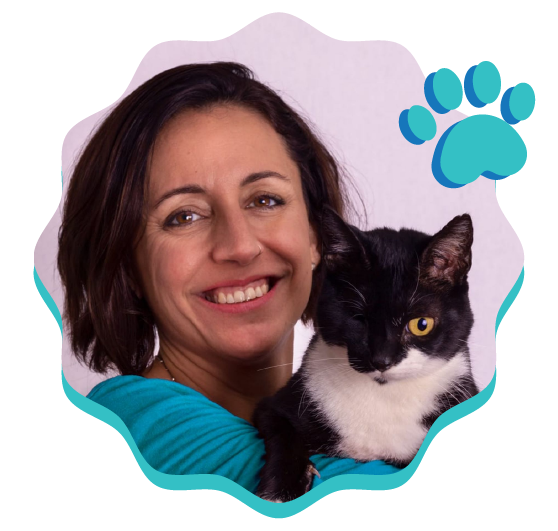
Dr. Marta has over 16 years of veterinary experience, working across the UK and Spain as a remote veterinary consultant and in the clinic. She graduated from Cardenal Herrera-CEU University in Valencia, Spain and holds two Ophthalmology Certificates, GPCert Ophthal from ESVPS and UAB and is a member of the Royal College of Veterinary Surgeons. Marta’s main fields of interest are ophthalmology and critical care medicine, and she loves being able to share the most helpful information with pet parents across the world. Read more…
Dr. Lauren Demos DVM – Veterinary Editor & Writer
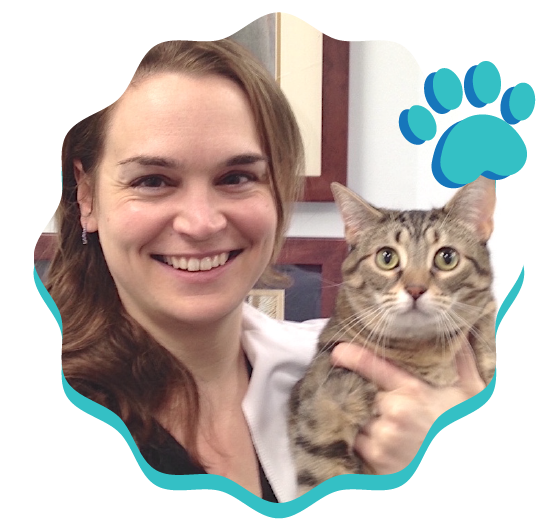
Dr. Karyn Kanowski BVSc MRCVS – Veterinary Editor & Writer
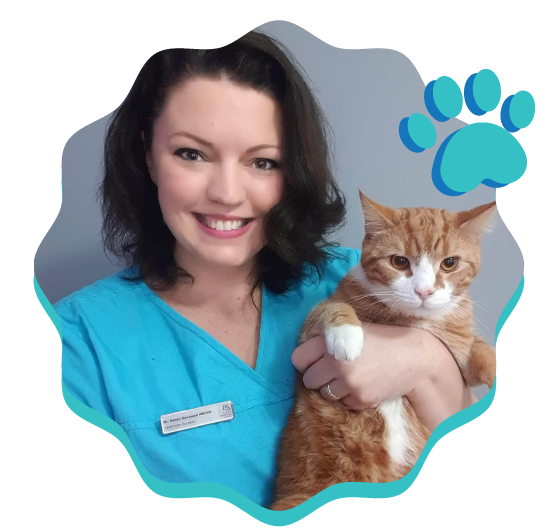
Dr. Karyn from Queensland, Australia, has lived in the UK for the past 10 years. She graduated from The University of Queensland School of Veterinary Science in 2010, and also holds a Bachelor’s degree in Zoology. Karyn is passionate about using experience, evidence, and owner collaboration to provide the best solutions for pets. Read more…
Dr. Amanda Charles BVSc MRCVS – Veterinary Editor
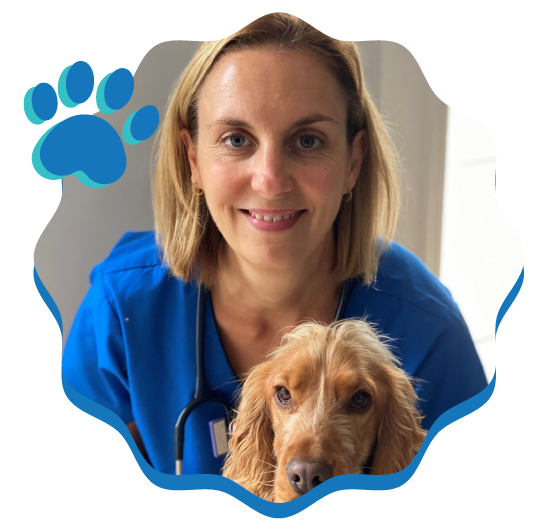
Dr Amanda Charles graduated as a vet from Liverpool University in 2002 with a BVSc (Bachelor of Veterinary Science) and has been in small animal practice ever since, and has a Postgraduate Certificate in Dermatology. Amanda enjoys educating pet parents by giving them up-to-date and accurate information and loves the variety that being a vet comes with. Outside of office, Amanda has two very joyful young sons and an equally active Cocker Spaniel, and a Ragdoll cat who keep her busy! Read more…
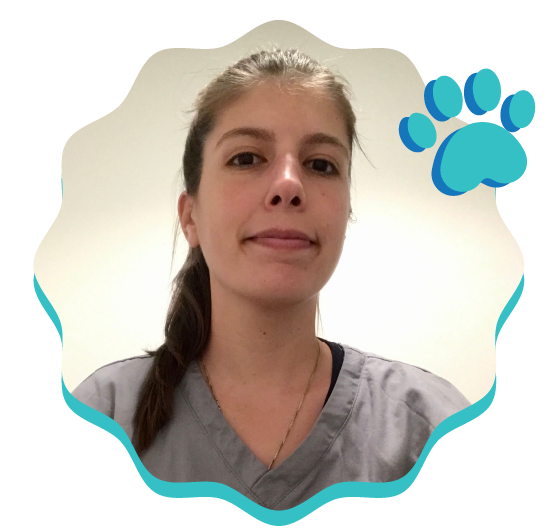
Dr. Maja Platiša DVM MRCVS – In-House Veterinarian
Meet Our Editorial Team
Alongside our veterinary review team, we have a large group of dog writers and experts from around the globe.
Nicole Cosgrove – Head Writer
Nicole is the Director of Content Management at Pangolia, the parent company of Dogster, and the head writer with Dogster. She is the proud mom of two rescue dogs, Rosa (a New Zealand Huntaway) and Mac (a Lab/Mastiff), and lives with them and her husband, cat, and daughter in New Zealand. She has always had a dog in her home and has worked with and cared for pups of all ages, breeds, and sizes, from Yorkies to Great Danes.
Adam Mann – Writer
Adam is a professional freelance writer and animal enthusiast who has rescued countless animals, and is also a proud father of three kids and is always up for a challenge and adventure!
Ashley Bates – Writer
Ashley Bates is a freelance dog writer and pet enthusiast who is currently studying the art of animal therapy. She is also a mother to four human children and 23 furry and feathery kids. In her spare time, she volunteers at local shelters, advocates for animal well-being, and rescues every creature in need.
Chantelle Fowler – Writer
Chantelle is passionate about two things in her life – writing and animals. She shares her home with five cats, two guinea pigs, a bearded dragon, her husband, and their kid. When Chantelle isn’t snuggling her cats on the couch or taking pictures of them being funny, she’s outside exploring in the Rocky Mountains, binging the same shows on Netflix over and over, and reading about whatever random topic pops into her brain.