In this article
As dog owners, we’re responsible for ensuring our pets are on their best behavior when interacting with other animals and people. Unfortunately, some dogs display aggression despite their owners’ best efforts.
Typically, there’s a reason for this behavior, which this article is here to uncover. Keep reading to learn eight common triggers that may make your dog aggressive, plus tips to help solve this behavior puzzle.

The 8 Common Dog Aggression Triggers
1. Threats to Territory
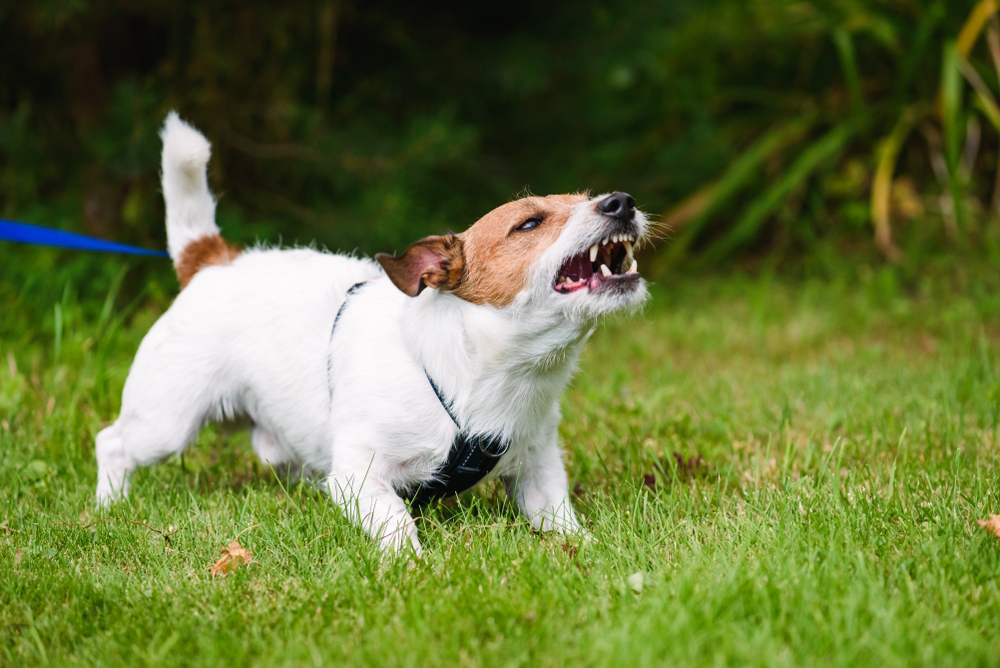
Many dogs display aggressive behavior if they feel their territory is being threatened. Domestic dogs may get their territoriality from their wild ancestors. Dog breeds developed to serve as guardians tend to be more territorial and more likely to display aggressive behavior if they feel their property or family is being threatened.
Territorial aggression can occur in male and female dogs. Dogs may be aggressive only to other animals or also to people. They typically react aggressively to strangers or anyone who enters the house or yard.
2. Resource Guarding
Resource guarding is an offshoot of territorial aggression in which the dog responds negatively if they feel their possessions are threatened. It also has its roots in the dog’s wild ancestry. Wild canines, like wolves, are constantly competing for food, mates, and other resources.
Pet dogs can retain similar instincts, even though most will never be in danger of going hungry. Food aggression is one of the most common forms of resource guarding. Dogs may also be triggered if they’re disturbed while sleeping or if another person or animal tries to take a toy or snack away from them.
Resource guarding is often the cause of aggression toward children. Teaching children never to bother a dog while eating, chewing, playing, or sleeping is a key strategy for bite prevention.
3. Protectiveness
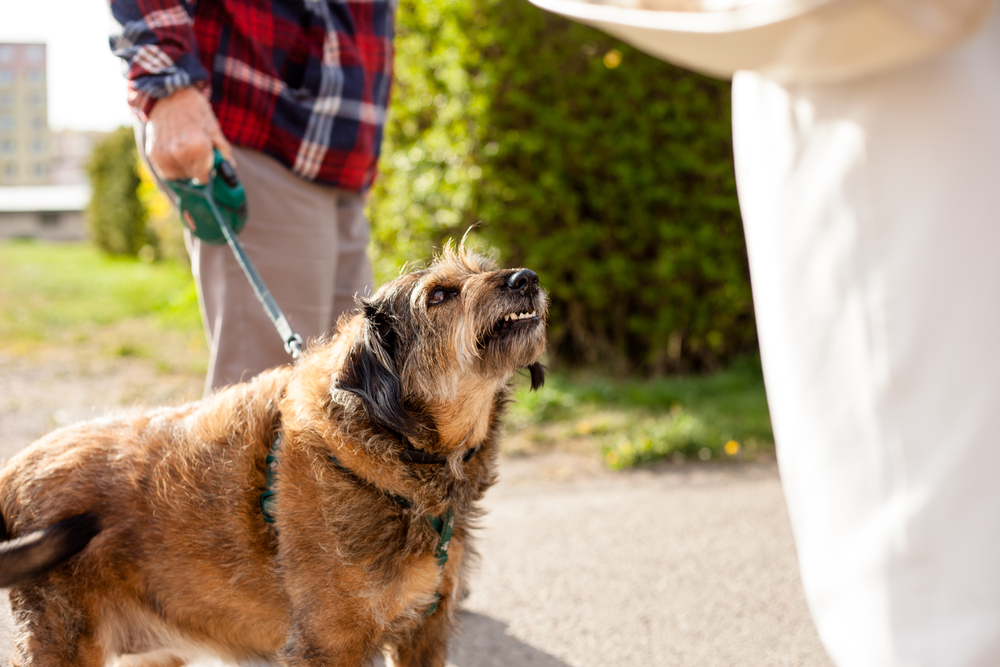
If strangers or unfamiliar animals approach their human family members, it may trigger aggressive behavior in some dogs. Again, some breeds have stronger protective instincts than others, but almost all dogs may react aggressively if they feel their family is threatened. While you may feel safer knowing your dog is protecting you, not all dogs know how to identify threats and may react aggressively towards a harmless individual they’ve never met before.
Dogs bred to be protective need careful training and socialization to ensure they can use their instincts correctly without tipping over the line into dangerous aggression. Mother dogs may also become aggressive to protect their puppies.
4. Prey Drive
Many breeds were developed to hunt, either alone or with humans. They can have a high prey drive, which can sometimes trigger aggression. This instinct pushes the dog to chase and catch anything that behaves like prey, usually small, fast-moving, or vocal creatures.
These dogs may be more likely to show aggression toward cats, smaller dogs, and even children. Noisy, active kids or crying babies can trigger the prey drive, especially in poorly socialized dogs.
On similar lines, herding dogs like Border Collies and Australian Shepherds, may have a strong herding instinct that has them nipping at people’s heels or chasing animals. While this may not be aggression per se, it can lead to bites.
5. Fear
Fear and anxiety are other common triggers for canine aggression. Frightened dogs may enter a “fight or flight” mindset, where they first attempt to escape whatever scares them. However, if they feel cornered, a fearful dog may resort to aggressive behavior as a defense mechanism.
Fear aggression sometimes manifests in stressful situations, such as trips to the veterinarian’s office. Dogs can display fear aggression only toward specific types of people or animals. Often, this results from poor socialization or a traumatic previous experience.
Scared dogs usually change their body language before they become aggressive and can display crouching, growling, tucking their tail, and flattening their ears.

6. Medical Issues
Pain can trigger aggression in dogs, as can various other medical issues. They may lash out to protect themselves and keep themselves from looking vulnerable. Older dogs can also develop behavioral changes as they age, including aggression, as part of cognitive dysfunction syndrome.
Brain tumors and other neurologic disorders can also cause aggression in dogs. Although the disease is now extremely rare in the United States, rabies can make dogs behave aggressively as well.
7. Other Dogs
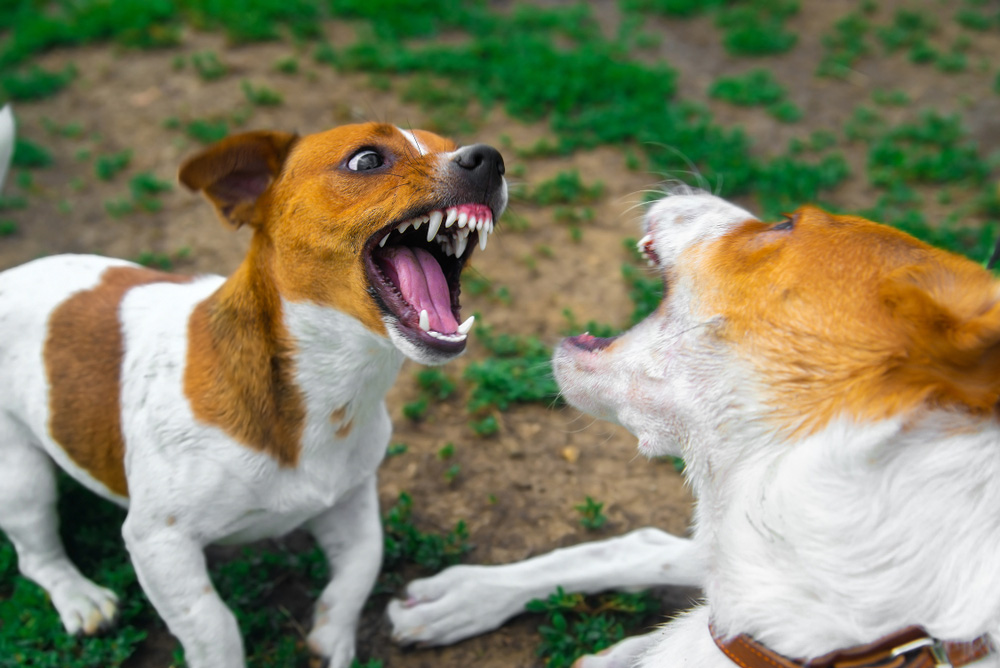
Aggression toward other dogs is a frequent behavioral problem for dogs of all ages and breeds. Some dogs are only aggressive toward the same gender, while others simply don’t get along with any other canines.
Intact male dogs are often aggressive toward other males, especially when females in heat are around. Some breeds, such as Terriers, may be especially prone to aggression toward other dogs. While socialization and training can help, some dogs may not be able to safely interact with other canines without triggering aggression.
8. Frustration
Frustration can be another trigger for aggression. Bored, under-stimulated, and under-exercised dogs can turn to aggressive behavior as an outlet. This may take the form of redirected aggression, putting the dog’s owner or handler at risk when the frustrated animal acts out.
Dogs who are overly worked up, perhaps because they see another canine, may become aggressive when they are prevented from approaching them. Keeping your dog busy, including daily exercise and impulse control training, can help them properly channel their frustration.

Tips to Deal With an Aggressive Dog
Because aggressive behavior can put people and other pets at risk, safety should always be the priority when dealing with this issue. You can seek professional help from a vet, a veterinary behaviorist, or a reputable trainer, especially if you’re an inexperienced dog owner.
If you need to speak with a vet but can't get to one, head over to PangoVet. It's our online service where you can talk to a vet online and get the advice you need for your pet — all at an affordable price!

As we learned in this article, there are many triggers for aggressive behavior, not all of which are preventable. However, some basic tips may help prevent multiple behavior issues.
Before bringing home a new dog, research the personality, history, and exercise needs of the breed you’re considering. Not every dog is the right fit for every family, and inexperienced owners can have trouble handling difficult breeds.
Many problems result from improper handling or lack of exercise, and it’s best to provide consistent socialization and training from an early age. This can help dogs learn to evaluate and navigate unfamiliar situations without becoming needlessly aggressive.
Obedience training can also build a dog’s confidence and prevent fear-based aggression. It helps dogs and owners build trust and communication and can prevent dogs from lashing out.
Conclusion
If your dog is aggressive, dealing with the situation quickly and safely is vital. The behavior puts other people and pets at risk, and aggressive dogs frequently end up surrendered to animal shelters or worse. Learning what triggers your dog’s aggression can help you and your vet or trainer prevent bad behavior and keep everyone safe.
- Also see: Most Aggressive Dog Breeds
Featured Image Credit: cynoclub, Shutterstock